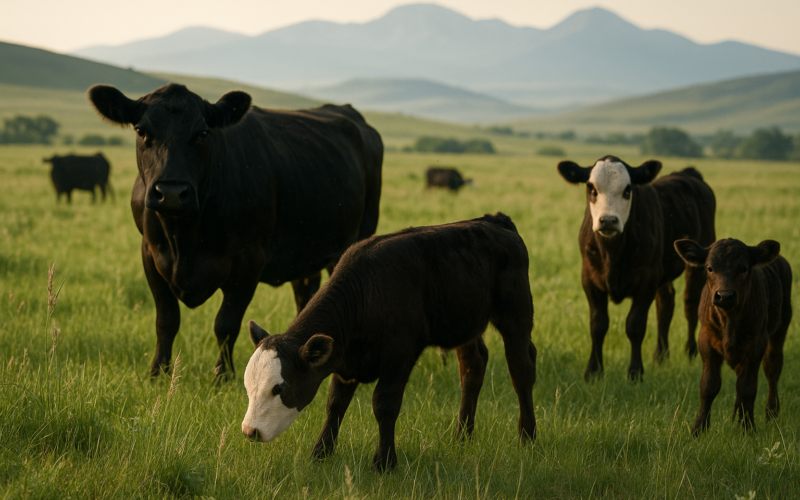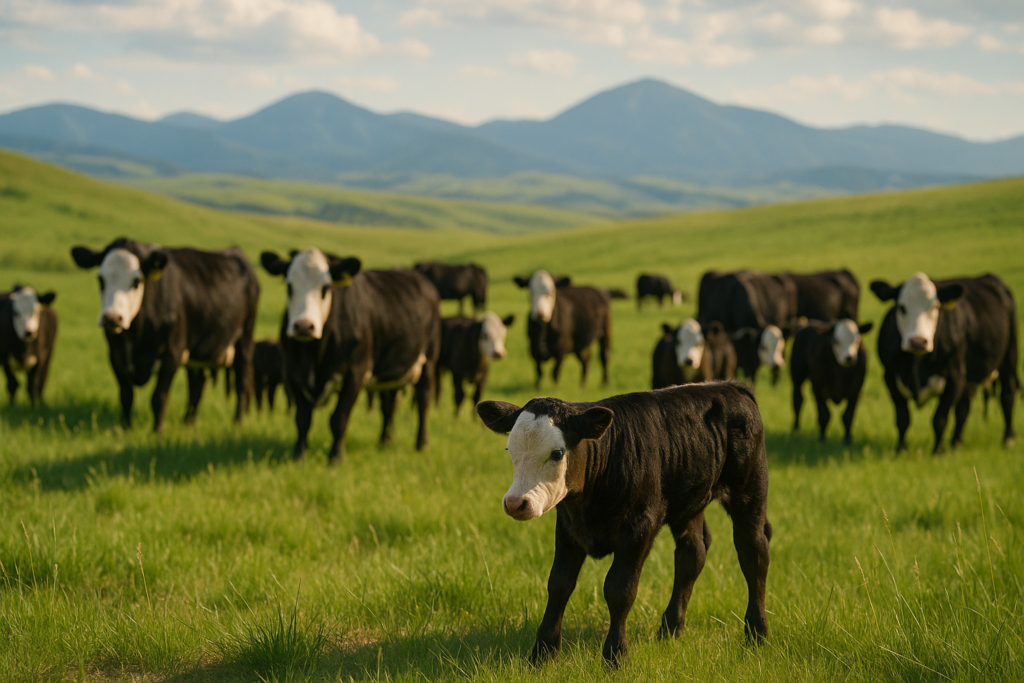
Most producers file pneumonia under two headings: the scours-and-snots mess in the calving barn, and the wreck that hits the pen after weaning. The stretch in between gets ignored. But calves two to four months old, still on the cow and running on good grass, come down with respiratory disease every summer in this country. It’s easy to miss because the calf isn’t in a pen where you walk past it three times a day. It’s a half mile out in a big pasture, and by the time it’s standing off by itself with its head down, the lungs are already scarred.
The frustrating part is that these are usually your good calves. They were healthy at branding, they’re gaining, and then one quits. Nobody’s watching for it, so it runs a few days before anybody notices.
Why it hits calves on grass
Summer pneumonia isn’t one bug. It’s the same crew of viruses and bacteria that cause trouble at weaning, plus a stressor that knocks the calf’s guard down long enough for them to take hold. The stressors just look different in June.
The big one is temperature swing. A cold, wet morning after a warm week, or a hard afternoon thunderstorm that soaks calves that were panting an hour earlier, puts a lot of stress on a young animal. Dust is another. Calves bedding down and running on bare, dusty ground around a water tank or a trampled feed area breathe in irritants all day. Then there’s the crowd factor. Anywhere calves bunch up tight and share air and nose-to-nose contact, disease moves faster, and that’s exactly what they do around water and shade in the heat.
Passive immunity from the cow is also fading by this age. The antibodies a calf got from colostrum are wearing thin right about the time it’s old enough to start mixing with the whole herd. That gap is where the trouble lives.
What it looks like out on the range
You have to catch it early because a calf that’s obviously sick has usually been sick for a while. Early signs are subtle and they show up in behavior before they show up in a snotty nose. Watch for the calf that lags when you move the pairs, the one that doesn’t get up and stretch when the bunch moves off, the one standing with its head and ears down while the others graze. A little cough when they run is worth a second look.
By the time you see labored breathing, drooping ears, gaunt flanks, and a calf that won’t follow its mother, the pneumonia is well along. Those calves can go down fast in the heat. If you find a dead calf and it’s one that looked fine last week, it was probably respiratory.
When you do treat, catch the whole thing early and use a full dose of an antibiotic your vet recommends for respiratory disease. Half a dose or a short course is how you end up with a chronic, poor-doing calf that never comes back. Read the temperature if you can get one; a real fever tells you it’s worth treating hard.
What actually cuts the losses
You can’t watch every calf every day on summer range, so the work is in reducing the stress that opens the door. A few things move the needle.
- Keep water areas from turning into dust bowls and mud holes. Spread out the watering if you can so calves aren’t all packed into one trampled spot breathing the same air.
- Think hard about your vaccination timing with your vet. A viral respiratory booster before or at branding gives calves some protection heading into this window instead of waiting until preconditioning in the fall.
- Don’t commingle groups of calves any more than you have to during the hot, buggy months. Every time you mix new pairs in, you hand the bugs a fresh batch of susceptible calves.
- Ride through the calves specifically looking at them, not just counting cows. Cut the sick one out and treat it before it drags for a week.
The calves you save are the ones you caught the first day they looked off. That means the difference between a good summer and a string of dead and stunted calves is mostly a matter of paying attention to the young stock while everything else has your attention pointed somewhere else.