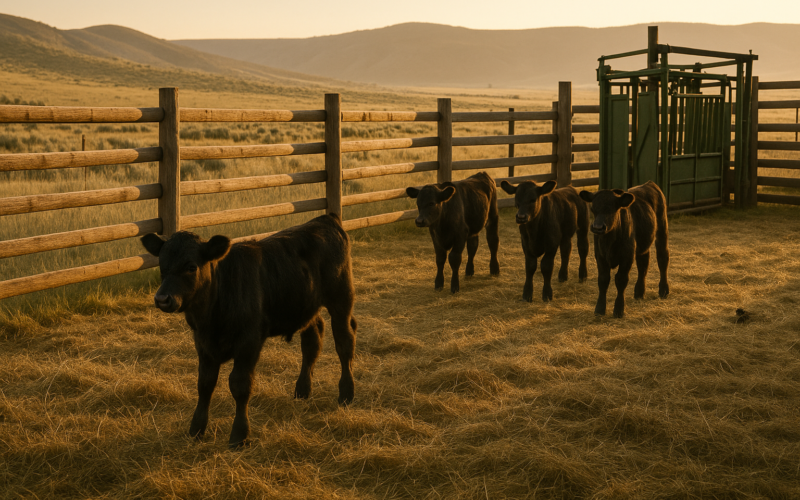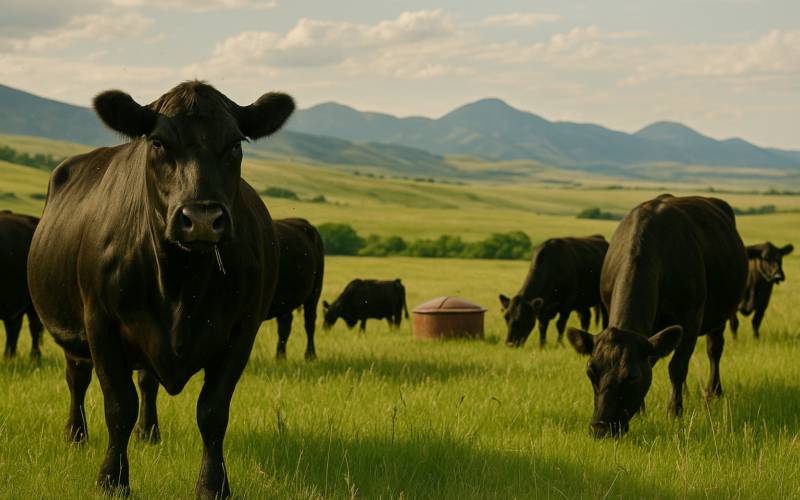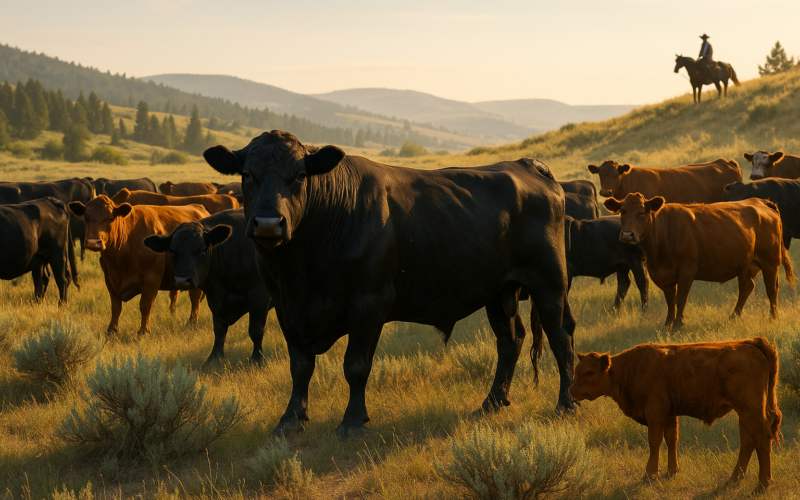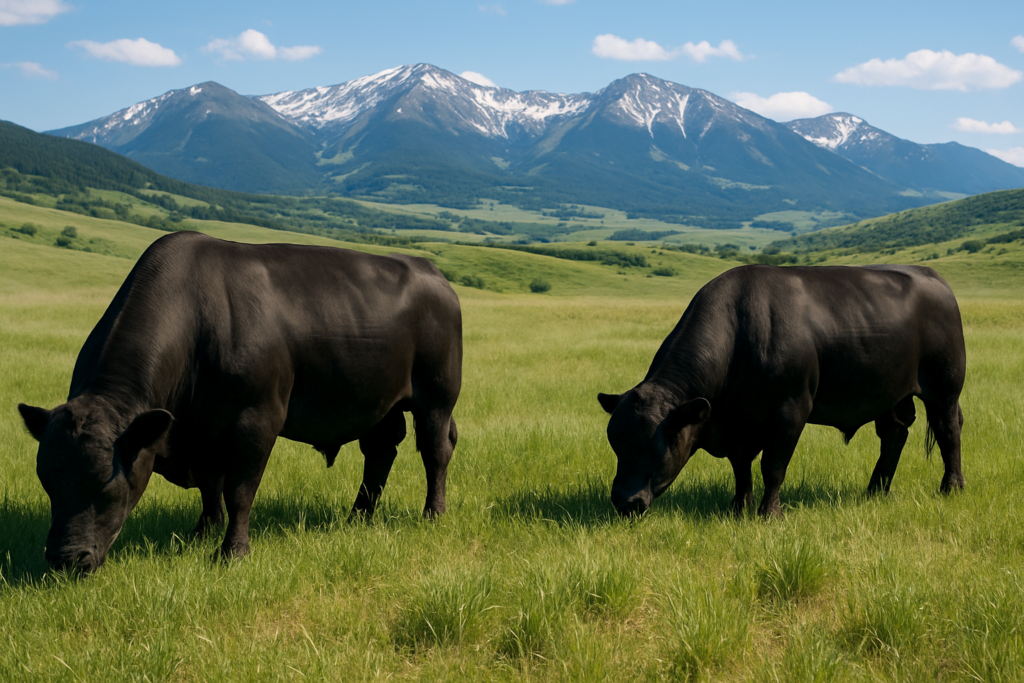
The bulls are out, the cows are settling down, and it’s easy to treat June and early July as a quiet stretch. That’s the trap. The bulls are doing the most important work of the year right now, and a bull that breaks down at the wrong time doesn’t send up a flare. He just stops covering cows, and you don’t find out until you preg-check in the fall and a run of them come up empty.
A single bull can be responsible for a big share of your cows depending on how you’ve got them paired up. If he goes down two weeks into the season, those cows either don’t get bred or slide back into the next cycle—and every cycle they miss is roughly three weeks tacked onto their calving date next spring. Late calves are lighter calves. That’s real money that traces straight back to a bull nobody was watching.
Lay eyes on them, and watch how they move
Turning out a bull that passed a breeding soundness exam in May doesn’t mean he’s still sound in late June. Bulls fight, they breed on rough ground, they travel miles a day in country that beats up feet and legs. Get out and count them at least a couple times a week, and don’t just count heads—watch them travel.
A bull that’s hanging back at the water, standing off by himself, or favoring a foot is telling you something. Foot rot loves the wet corners and the mud around tanks, and a lame bull won’t chase a cow in standing heat. Neither will a bull with a swollen sheath or an injury to the pizzle from breeding on a hillside or getting hit by another bull. Those injuries are common and they take a bull out of the game whether he wants to work or not.
Watch for the bull who’s got no interest at all. In hot weather especially, some bulls just check out. If cows are cycling and a bull is lying in the shade ignoring them, that’s a problem you want to catch in week two, not week ten.
Heat, fighting, and the pecking order
When you run more than one bull with a bunch, they sort out who’s boss, and that fight can go on for days. The dominant bull may keep the others off the cows even when he can’t cover them all himself, and the beaten-up subordinate bulls sulk on the fence line instead of working. If you can, turn out bulls that are already used to each other, and try to match them by age and size so a big four-year-old isn’t running a yearling ragged.
Heat is the other quiet killer of fertility. A bull’s sperm takes weeks to develop, so a stretch of real heat—or a fever from foot rot or pinkeye—can knock a bull sterile for a month or more after he seems fine again. He’ll still breed cows and act normal. The cows just won’t settle. There’s not much you can do about the weather, but it’s a reason to keep an eye on bulls that ran a fever earlier in the season and to make sure they’ve got shade and clean water.
Keep a spare, and keep records in your head or your pocket
If you can swing it, hold a bull or two in reserve. When one comes up lame or injured, you want to swap him out that day, not spend a week deciding whether he’ll come around. A bull sitting in the corral does you no good if the cows he was supposed to cover are cycling out on the range.
It helps to know roughly which bull is with which bunch and when you turned them out. If you notice cows still coming into heat well into the season—riding each other, bawling, walking fences—that’s your early warning that a bull isn’t getting the job done. Late June is about when you’d expect the first-cycle cows to be settled and quieting down. If a bunch is still stirred up, go find out why before the breeding window closes.
None of this takes much time. It’s a set of eyes on the bulls a couple times a week and a willingness to pull one the minute he’s not right. The alternative is finding out in October, when there’s nothing left to do about it but sell an open cow you meant to calve.