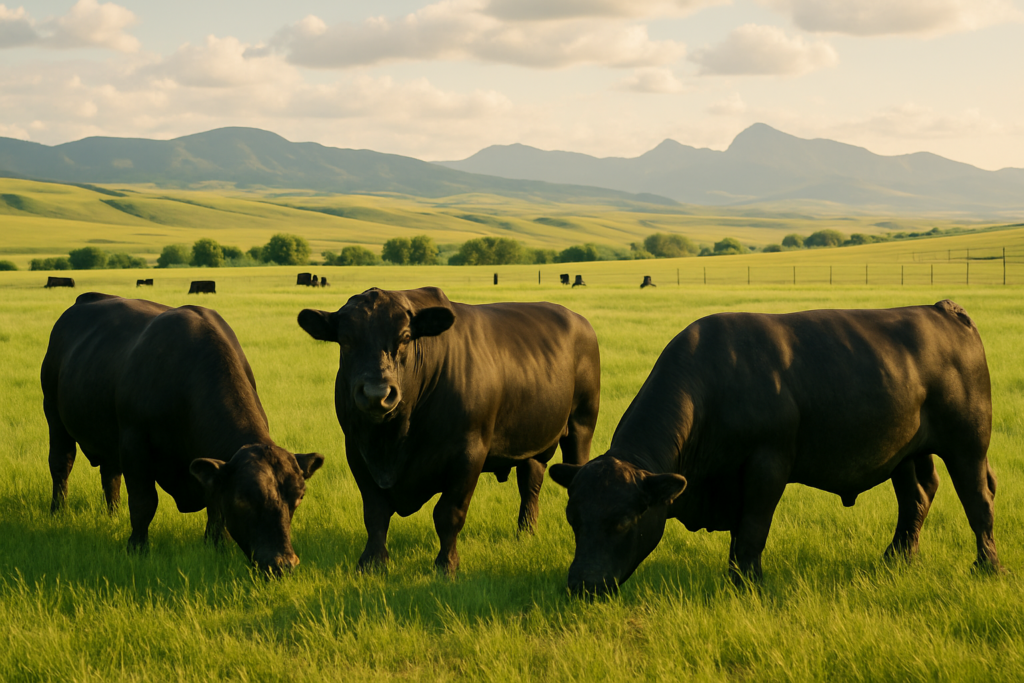
Most outfits put a lot of thought into turnout. You checked the bulls, matched the numbers, hauled them to the right pasture, and now they’re working. Fewer outfits put any thought into the other end of it—when those bulls come out. And that date, or the lack of one, shapes your next twelve months more than almost anything else you’ll decide this summer.
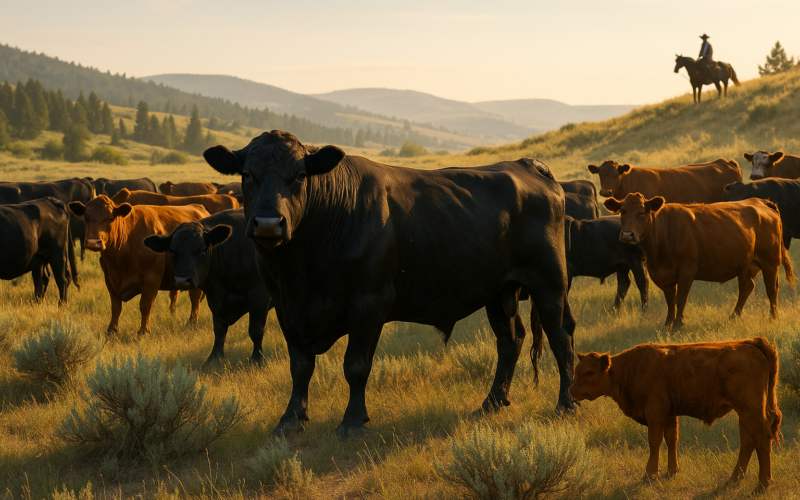
If the bulls run with the cows until you happen to gather in the fall, you don’t have a breeding season. You have a breeding suggestion. Cows breed back whenever they feel like it, calves hit the ground from February clear into June, and you spend the rest of the year trying to manage a herd that’s never doing the same thing at the same time.
A Loose Season Costs You in Ways the Scale Never Shows
The problem with a wide-open breeding season is that the damage is spread out, so it never lands as one obvious hit. It shows up in a dozen small places.
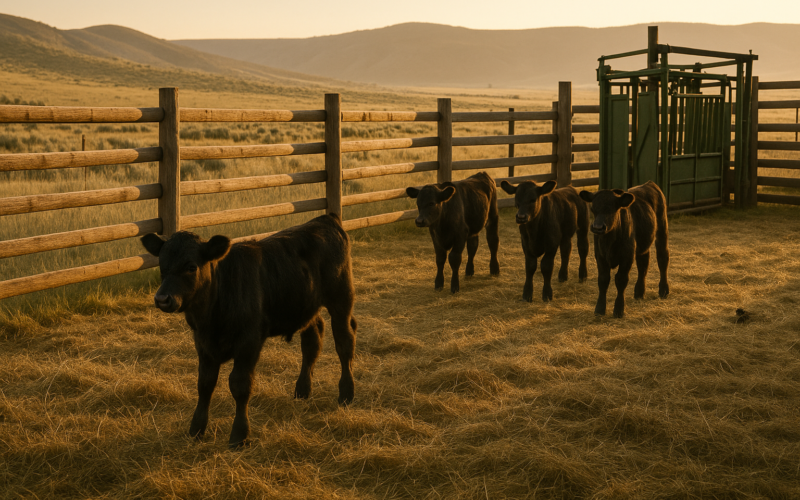
Your calf crop gets strung out. A calf conceived in early June is a solid, marketable animal by fall. A calf conceived in late August is a lightweight riding on his mama’s back at weaning, and he’ll sell in a lighter, cheaper bunch or force you to keep feeding him. When buyers look at a uniform, even load of calves, they pay up. When they see a load with sixty pounds of spread top to bottom, they bid to the bottom.
Late-calving cows tend to stay late calvers. A cow that calves in May has less time to recover and rebreed before the bulls come out than a cow that calved in March. Each year she slips a little later until she finally comes up open, usually in a good year when you could least afford to lose her. A defined season stops that slide because the calendar does the culling for you.
Then there’s your own time. A tight calving window means you’re set up, watching, and dialed in for six or seven weeks instead of half-heartedly checking heifers for four months. Same for branding, same for working calves, same for weaning. Everything downstream gets easier when the front end is tight.
Sixty to Seventy Days Is Plenty
A cow cycles about every three weeks. Give the bulls sixty days and every cow gets roughly three chances to settle. Give them a little longer, say sixty-five or seventy days, and you’ve covered a slow-starting bull or a cow that was late calving. Past that, you’re mostly just catching the cows that were going to be problems anyway, and you’re stretching your calving season out to match.
Count backward from when you want to start calving. If you want the first calves in early March, the bulls need to come out around the end of May the year before—which means for a lot of Montana outfits, turnout is mid-June and the pull date lands in mid-to-late August. Write that pull date down now. Put it on the calendar in the shop, tell whoever helps you gather, and treat it like a haying window: it’s a date, not a mood.
Heifers are a separate deal. Breeding them a cycle ahead of the cows, on a short window of their own, gives them extra recovery time to breed back as two-year-olds. Pull those bulls even sooner.
Pulling the Bulls Is Only Half the Job
Getting the bulls out on time only pays off if you follow through at preg-check. The whole point of a defined season is that it sorts your cows for you. The ones that didn’t breed in your window come up open, and those are the cows to load—not to give another chance to run late again next year.
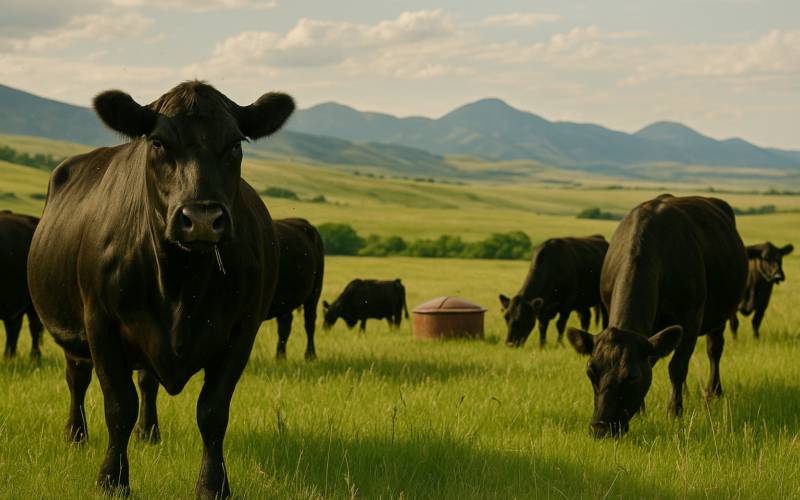
When you pull bulls, that’s also the time to look them over before they go back to their own pasture. A bull that spent two months fighting, breeding, and losing condition needs the rest of the summer and fall to put weight back on before winter. Check feet, check for injuries, and note any bull that looks used up harder than the others—he may be a cull, or he may just need groceries.
Give the bulls a pasture with decent grass, good water, and a fence that’ll hold them. A bull coming off breeding is thin and looking for company, and he’ll test every low spot in the fence trying to get back to the cows.
None of this requires new equipment or a fancy program. It’s a date on the calendar and the discipline to hit it. Do that for two or three years running and you’ll notice the calf crop tightening up, the cull list making sense, and a whole lot less guesswork about what’s happening in your herd.