Nobody rides out in June looking for worms. There’s no cough, no lame foot, no cow down in the willows. That’s exactly why gastrointestinal parasites get away with what they do — they don’t kill much, they just skim a little off every mouthful of grass a young animal eats, day after day, from turnout until the frost knocks the larvae back. By the time you’re weighing calves or shipping yearlings in the fall, the difference is baked in and there’s nothing left to do about it.
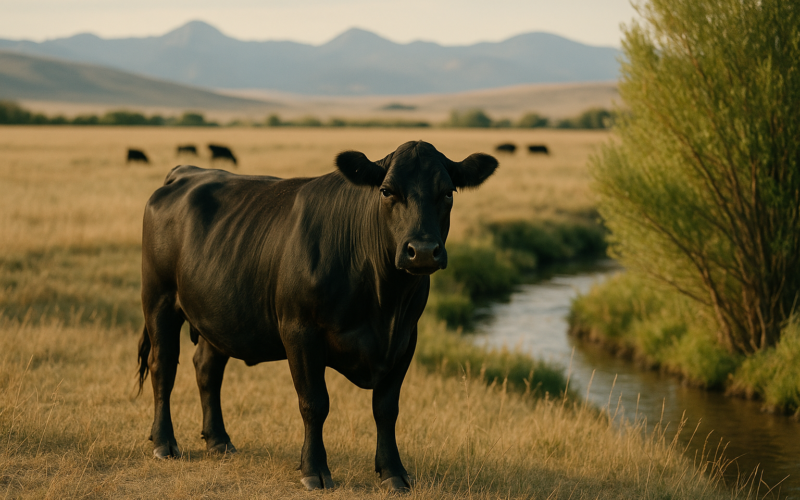
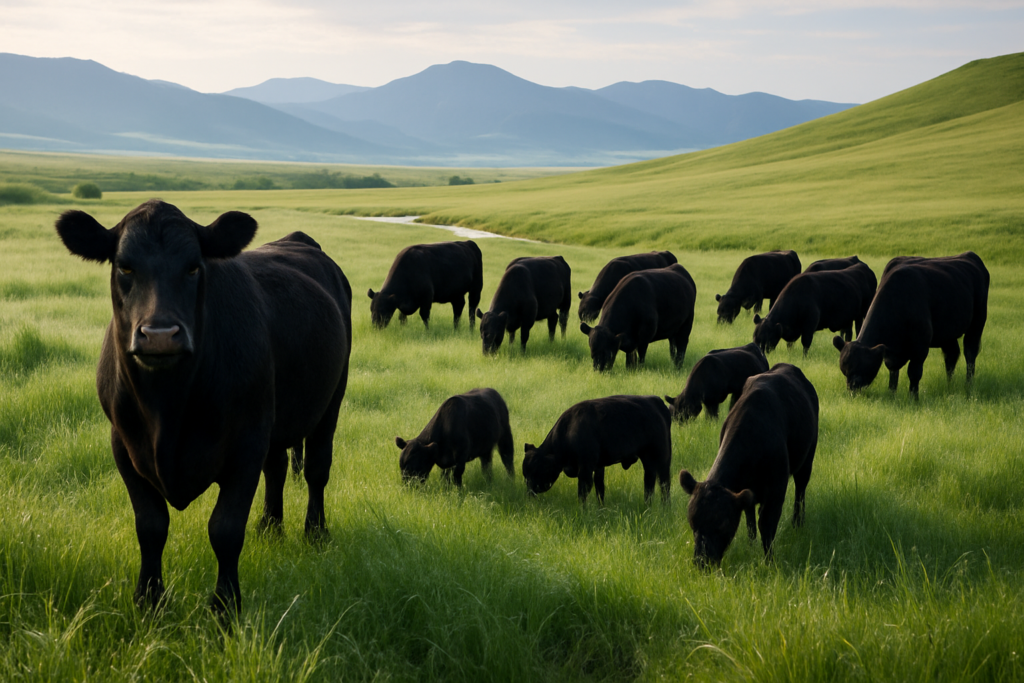
The animals that carry the heaviest loads are the ones with the least immunity: yearlings, replacement heifers, and stockers coming onto grass for their first full grazing season. Mature cows have usually built up enough resistance that a moderate worm burden costs them little. Push that same load onto a first-calf heifer that’s also nursing and trying to breed back, though, and you’re stacking one demand on top of another.
How the parasites set up on Montana grass
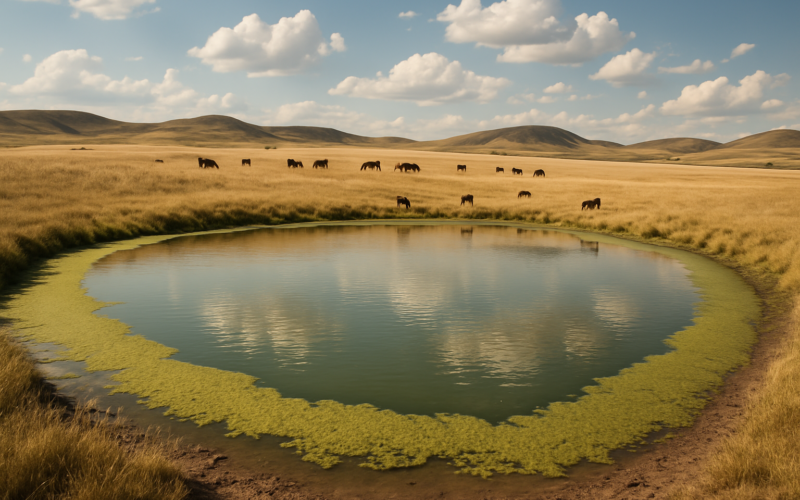
The cycle is simple and it runs on moisture. Cattle pass worm eggs in manure. In a wet, warm stretch — the kind of June where the meadows stay green and the low ground holds a little standing water — those eggs hatch into larvae, crawl up a few inches onto the grass blade in the dew, and get eaten by the next animal grazing close to the ground. Larvae live in the manure pat and the base of the sward, not the tips. That’s the part worth remembering.
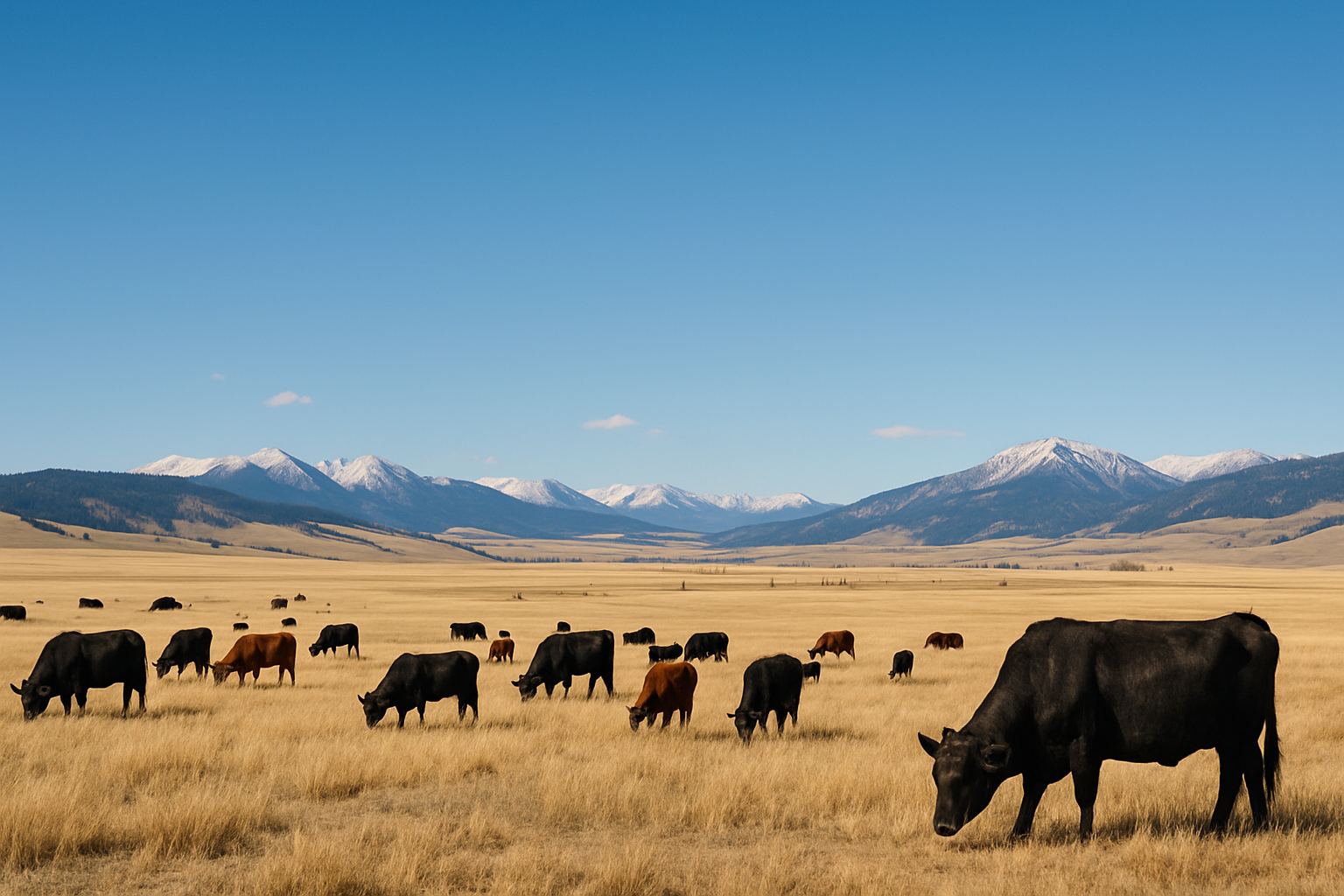
It means the risk isn’t spread evenly across your country. The heavily stocked meadow, the trap by the corrals where you hold pairs, the wet swale below a spring, the pasture that’s grazed short every year — those load up. A big, dry, rotated pasture where cattle graze the top half and move on stays a lot cleaner. Continuous grazing on the same short ground is the fastest way to build a parasite problem, and it’s the same management that leads to overgrazing anyway.
Dry country helps you. A hot, dry July that bakes the pasture will kill a lot of larvae on the grass. But you can’t count on that in June, and you can’t count on it at all in an irrigated meadow or a wet year.
Timing the dewormer so it actually pays
Deworming works best when you hit the animals that need it, at a point in the season when knocking down their burden protects the whole grazing period. Most operations handle their young stock at branding or turnout anyway, and that’s a logical time to treat — you’ve got them in, and you clear the load before they spend a summer picking up more.
A few things separate a treatment that pays from one that just costs you product:
- Dose to the heaviest animal in the group, not the average. Underdosing is worse than not treating, because it leaves the toughest worms alive to breed.
- Focus your effort and your money on the young cattle. Blanket-treating mature cows every year, every time, is often spending on animals that don’t need it.
- Don’t lean on the same product family year after year without thinking about it. Resistance is a real and growing problem, and the way you slow it down is by not deworming animals that don’t need it and by using effective products correctly when you do.
- If you can turn treated cattle onto a cleaner pasture — one that was hayed, rested, or grazed by a different class of stock — you get far more out of the dose. Treating them and putting them right back on the same wormy trap undoes the work.
If you’re not sure whether you’ve got a problem worth treating, a fecal egg count through your vet costs very little and tells you more than guessing. Pull samples from the young stock, since that’s where the numbers show up. It’s the cheapest way to find out whether you’re spending on a problem you don’t have — or ignoring one that’s costing you.
The gain you’re protecting
The whole reason this matters is weight. A yearling carrying a real parasite load eats the same grass, drinks the same water, walks the same country, and comes up light in the fall because a chunk of what it took in went to feeding worms and repairing gut lining instead of laying down muscle. You never see the animal act sick. You just see a thinner set of yearlings at shipping and a smaller check, and you blame the grass or the weather.
June is when you still have the whole grazing season in front of you. Get the young stock cleaned up, put them on the best ground you can, keep them moving off the short, wet, chewed-down places, and let them spend the summer converting grass to pounds instead of feeding a problem you can’t see. That’s a decision you make now or not at all.