Most of the wrecks with heat happen not because it hit 95, but because somebody decided to gather, sort, and haul at two in the afternoon on a dead-still day. A cow doesn’t shed heat the way we do. She can’t sweat much, and she runs a fermentation vat in her gut that throws off warmth all day long. By the time the mercury peaks, she’s been building heat load for hours, and she doesn’t dump it until well after dark. If you push her hard in that window, you can lose her standing in the alley.
Montana gets a lot of dry heat, and dry heat is more forgiving than the humid kind. But we also get those muggy stretches after a thunderstorm rolls through the Judith Basin or the Milk River country, where the air sits heavy and the wind quits. That combination — high humidity, no breeze, and a warm night that never let the cattle cool off — is when black cattle in particular start breathing hard.
Learn to read a cow that’s overheating
Watch the breathing first. Normal cattle take shallow, quiet breaths you barely notice. An animal that’s stacking up heat starts breathing faster, then you’ll see the sides working. Push it further and she opens her mouth, drops her head, and lets her tongue hang. Slobbering, panting with the neck stretched out, standing splay-legged and refusing to move — that’s an emergency, not a warning.
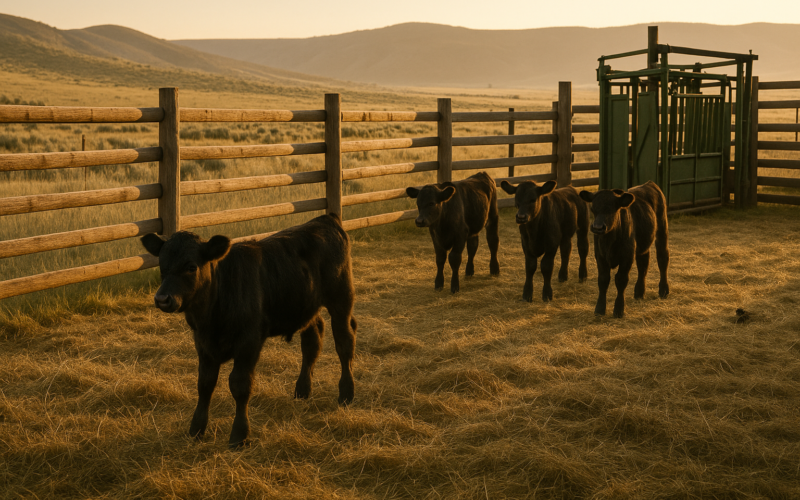
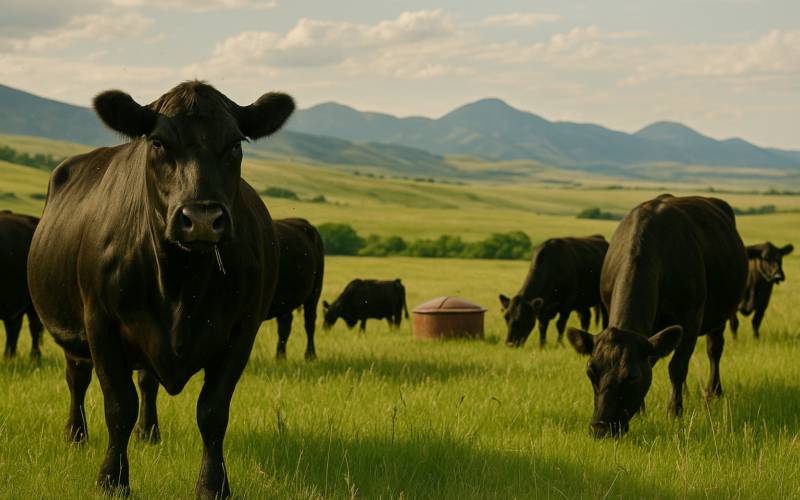
Black-hided cattle soak up more sun and show it first. Heavy, fleshy animals and anything fighting a respiratory problem run hotter too. A fat cull cow you’re trying to ship in the heat is exactly the kind that goes down. So are calves that got worked hard at a chute and then loaded on a hot trailer with no airflow.
The other thing worth knowing is the lag. Cattle keep heating up after the air temperature starts dropping in the evening, and they need the night to unload it. A string of hot days with warm, still nights is worse than one blistering afternoon, because they never get the reset. When you’ve had two or three of those nights in a row, back off the handling entirely.
Do the hard work before the sun gets up
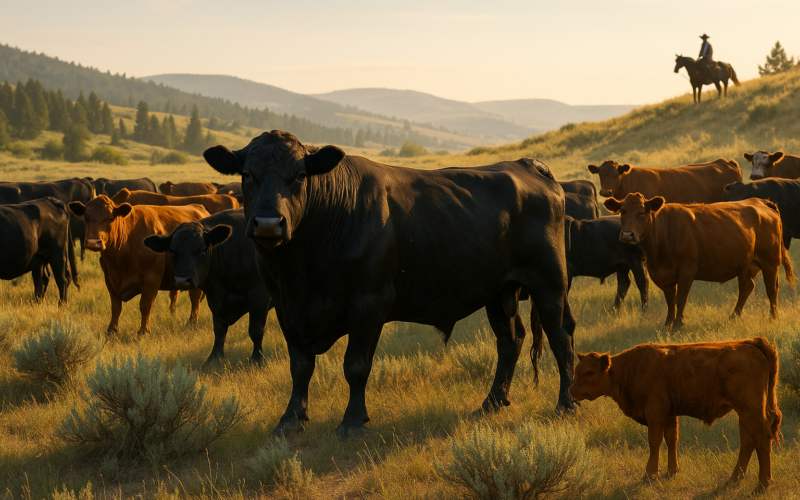
If you’ve got to gather, sort, brand late-borns, or haul, start at first light and be done by mid-morning. Cattle worked at daybreak are carrying the least heat they’ll carry all day, and they’ve got the whole cool of the morning to recover. The old advice to “wait for it to cool off in the evening” is backward — by evening they’re already loaded up, and you’re adding stress on top of a full tank.
Slow down when you do move them. Every extra push, every hot alley they stand jammed in, every mile they trot generates heat they can’t get rid of. Give them room, let them walk, and don’t hold a bunched group standing in a corner with no shade. A crowded pen of cattle in the sun is an oven.
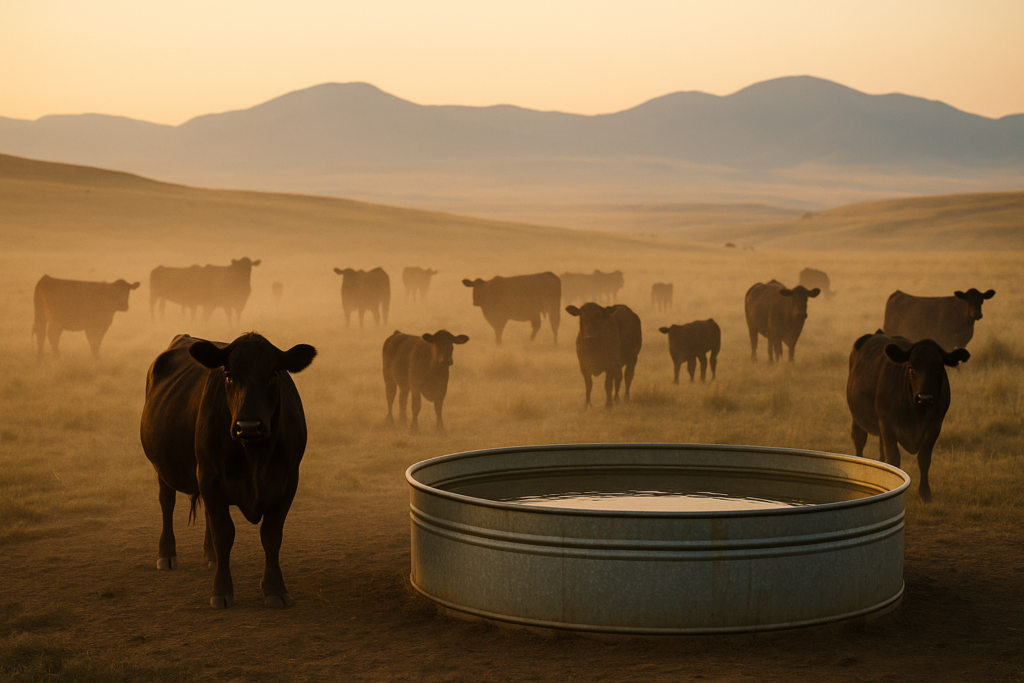
Water matters more in the heat than at any other time. A cow will drink a lot on a hot day, and if the tank can’t keep up with a whole herd hitting it at once, the timid ones and the young ones get shorted. Check that your floats and pumps can actually deliver when the whole bunch comes in thirsty at noon, and make sure there’s enough trough space that a boss cow can’t guard the only water. If you’re hauling, water them before you load and get them off the trailer as quick as you can at the other end.
Don’t turn a hot day into a hauling wreck
The trailer is where good cattle die on a bad day. Air moves through a stock trailer when the wheels are turning and stops dead when you’re parked. Sitting at the sale barn, stuck behind a wreck on the interstate, or idling at a fuel stop with a full load — that’s when they cook. Load light in the heat, keep moving, and don’t leave loaded cattle standing.
None of this takes new equipment or a fancy plan. It takes looking at the sky, checking the wind, and being honest about whether the job can wait until morning. Most of the time it can. The cattle that go down in July almost always went down because somebody was in a hurry to finish before supper, and the herd was already carrying more heat than anybody bothered to notice.