Most of the trouble that shows up in June announces itself. Foot rot limps. Pinkeye weeps. A bloated cow stands there swelled up on the wrong side. Trichomoniasis does none of that. A trich cow eats, walks, and slicks off like every other cow in the bunch. The only thing wrong with her is that she isn’t bred, and you won’t find that out until you run them through the chute in the fall — or worse, until you’re strung out calving into June the next year.
It’s a venereal disease, spread cow to bull to cow at breeding. The bug lives in the folds of a bull’s prepuce and rides along when he covers a cow. In her, it sets up in the reproductive tract and kills the early embryo. She comes back into heat weeks later, gets bred again, maybe loses that one too. Some cows eventually clear it and settle late. A lot of them come up open. Either way you’ve traded a tight calving window for a mess.
Why the old bull is usually the problem
The reason trich is so hard to shake is the bull. In an older bull, the organism tucks into the crypts and folds of the prepuce and stays there. He shows no sign of it — normal breeding soundness, normal behavior, settling cows one week and spreading disease the next. Younger, smooth-preputial bulls can sometimes clear the infection on their own, but you can’t count on it and you can’t tell by looking. There’s no reliable treatment for an infected bull. A positive bull goes to town.
Cows are a little different. Given enough sexual rest — a real breeding layoff, not just a few weeks — many cows will clear the infection. That’s part of why a defined breeding season helps. Pull the bulls, give the herd a long stretch open, and you’re working against the bug instead of feeding it.
How it walks onto your place
Trich almost always arrives one of two ways: in a bull you bought, or through a fence. The purchased bull is the obvious one. An unbred virgin bull is clean. A bull that’s already covered cows somewhere is a question mark until he’s tested. Montana has testing requirements for certain bulls that change hands or come in from out of state, and the details are worth confirming with your veterinarian or the state before you haul anything home. Don’t treat a test as red tape. Treat it as the cheapest insurance you’ll buy all year.
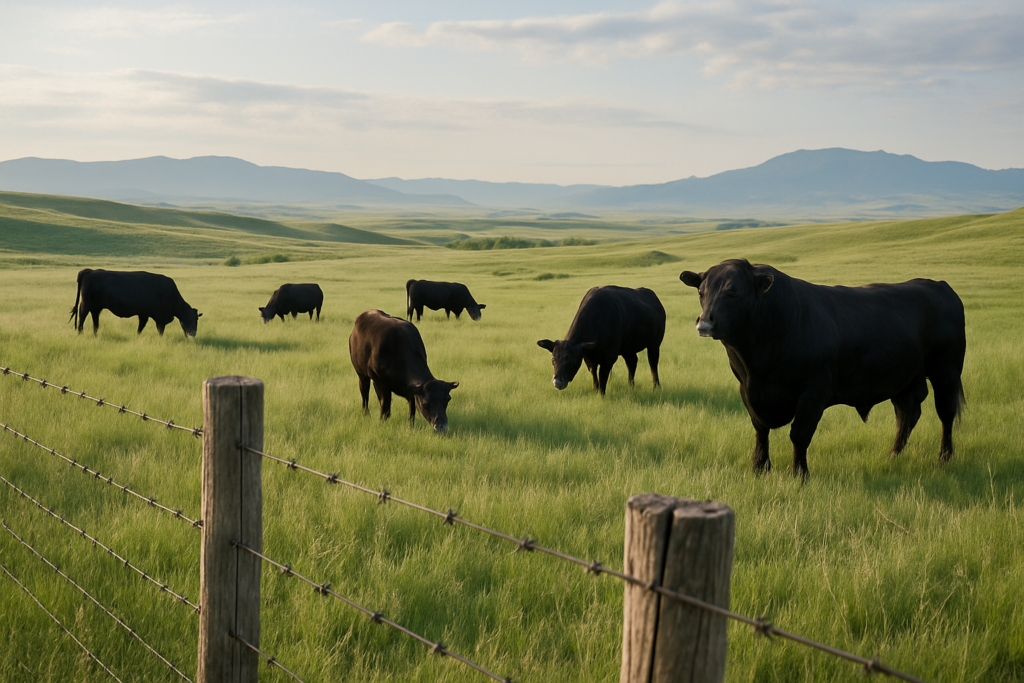
The fence is the sneaky one. A neighbor’s bull that jumps in with your cows, or your open cow that drifts onto shared summer range and gets bred by an infected bull, can seed the whole herd. Commingled forest allotments and leaky boundary fences are exactly how trich moves around a community even when everybody thinks they’re running a clean outfit. The bull you never invited is the one that does the damage.
Keeping it out and keeping it caught
A closed herd with virgin bulls and tight fences is the strongest position you can be in. Most of us can’t run it that airtight, so the next best thing is a short list of habits that don’t cost much:
- Test purchased and borrowed non-virgin bulls before they ever touch a cow, and know the state rules that apply.
- Buy bulls from herds you trust, and lean toward younger, virgin bulls when you can.
- Run a defined breeding season and pull the bulls on time, so cows get real sexual rest.
- Preg-check in the fall and pay attention to the pattern. A scatter of opens is one thing; a wave of late-bred and open cows across the herd is a signal, not bad luck.
- Ride your fences before turnout and keep strays out, especially on shared or allotment ground.
The frustrating part of trich is the delay. Everything looks fine at turnout, fine through the summer, fine on green grass. The bill comes due at preg-check and again the following spring when your calf crop dribbles in late and light. By then the bull that did it may already be gone. If you see an open-cow problem you can’t explain — good body condition, good bulls on paper, good grass — call your vet and get the bulls scraped before you turn them out again. Finding trich is unpleasant. Spreading it another year is worse.