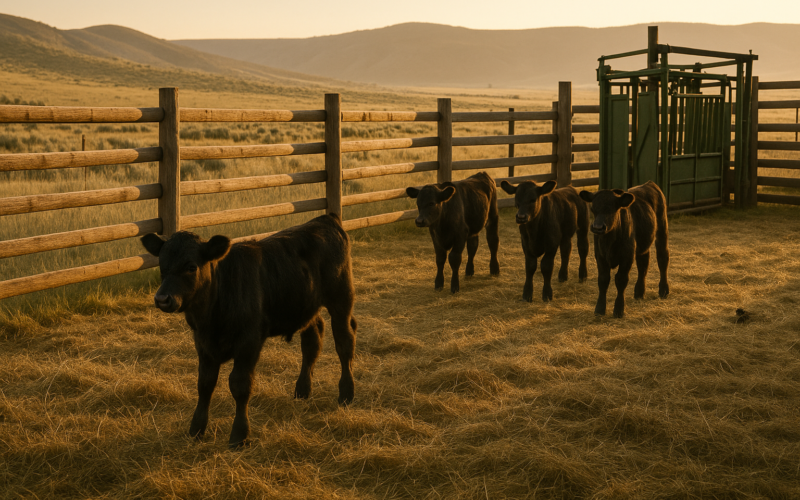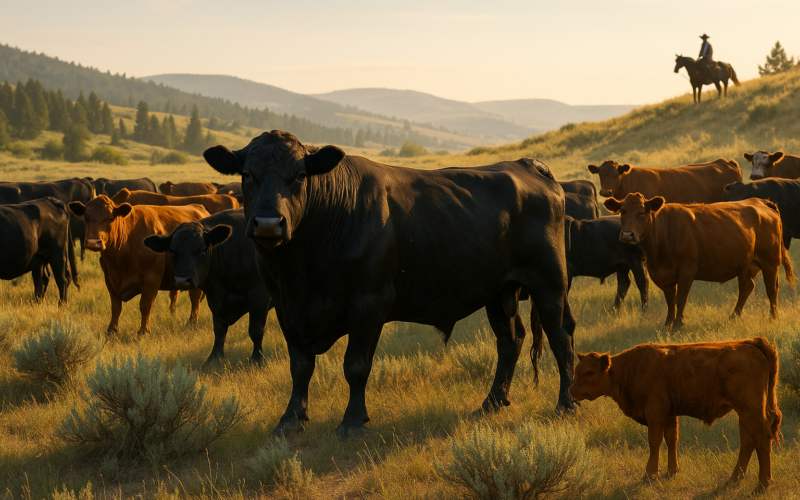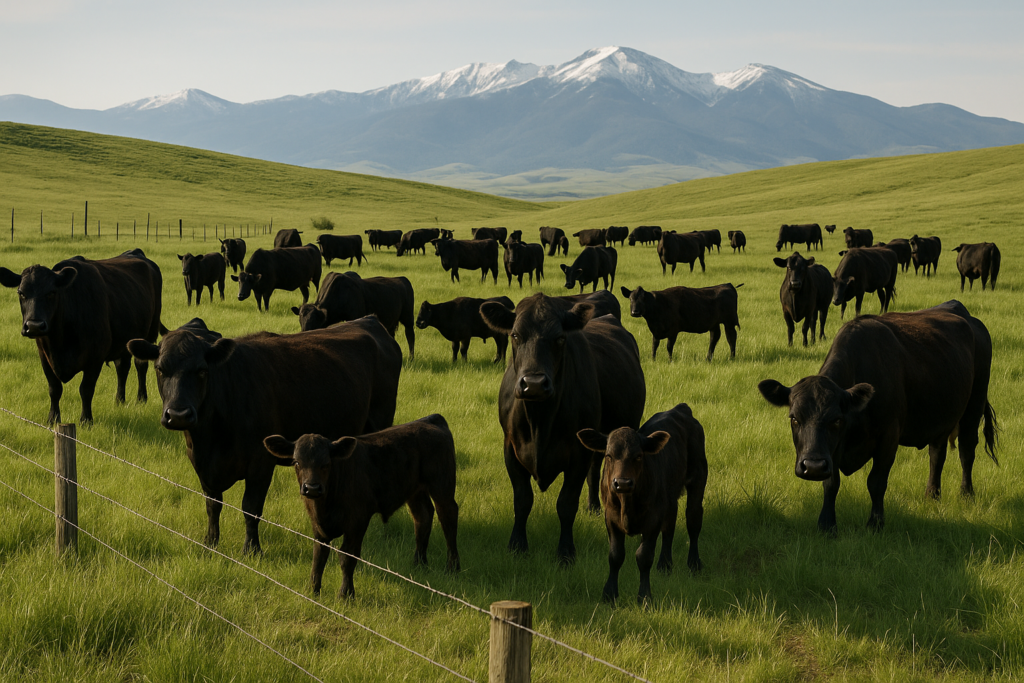
A cow has to be back in business before the bull can do anything with her. She calved this spring, she’s milking hard, and somewhere in there her body has to decide it can afford to start cycling again. A cow carrying enough condition makes that call early. A thin cow puts it off, and every week she waits pushes her calving date later next year until one year she just doesn’t get bred at all.
By mid-June the bulls are out and most of the herd is well into lactation. This is the stretch where condition quietly sorts the cows into the ones that settle in the first cycle and the ones that hang open until August or turn up empty at preg-check. You can still do something about it, but the window is closing fast.
Read the cows before the bull tells you
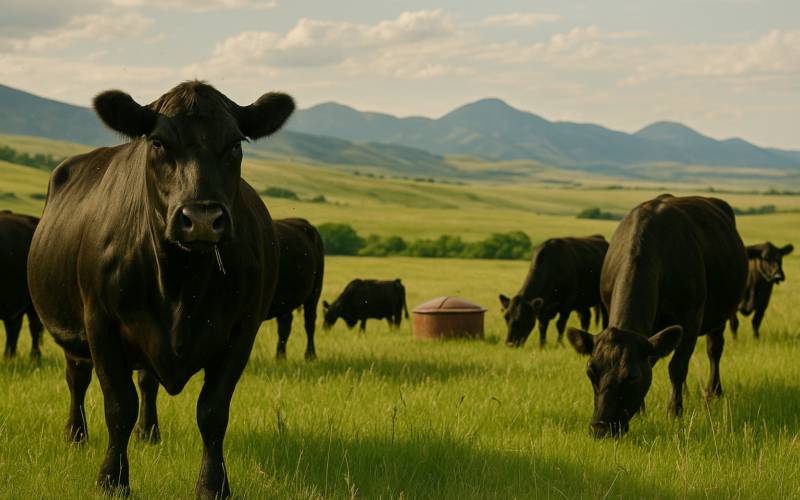
You don’t need a scale to judge body condition. Walk the herd or glass them coming into water and look at the same places every time. Can you count individual ribs from a ways off? Is the backbone a sharp ridge or a rounded line? How much cover sits over the hooks and pins, and is there any fill in the brisket and over the tailhead? A cow in decent working shape carries a smooth back, ribs you can feel but not pick out one by one, and a little padding over the hips.
Aim to have cows calve carrying moderate condition and hold most of it through breeding. A cow that calved thin and then got milked down further is the one to worry about. She’s spending everything on the calf at her side and has nothing left over to fire up her cycle. The bull can chase her all summer and she still won’t stick until her body decides she can spare the groceries.
The wreck usually starts before breeding, not during it. A cow that came out of a long winter poor, calved in a March storm, and never caught up on green grass is already behind. Green feed hides a lot, but it doesn’t put fat back on a hard-milking cow overnight. What you see grazing belly-deep in June is often a cow burning every bit of that grass just to keep milking.
First-calf heifers are the first to fall out
The two-year-olds are the ones that bite you. A first-calf heifer is still growing her own frame, feeding her first calf, and trying to breed back all at once, and she’s low cow on the totem pole at the mineral tub and the water. She needs to be in a little better shape than the mature cows just to have a shot at settling on time. Run her with the old, dry-mouthed cows and she’ll get shoved off the best feed and come up open, which is why plenty of outfits keep the heifers in their own bunch.
If you’ve got the country and the fence, splitting the thin cows and the young ones onto your best pasture for the breeding stretch does more good than anything else you can do right now. That’s the reserve grass, the fresh rotation, the bottom that held moisture. Let the fleshy mature cows work the rougher ground where they can hold their own.
You can’t fix it overnight, so quit trying to
Here’s the hard part. A cow can gain condition, but not fast, and not while she’s milking heavy in early summer. You will not fatten a thin cow into cycling during the breeding season by wishing at her. What you can do is keep her from losing more. Get her on good grass, make sure the water is close and clean so she isn’t walking off her calories, and keep mineral in front of her.
In a dry year, early weaning is the biggest lever you’ve got. Pull the calf off a thin cow and she quits spending on milk and turns that feed toward herself. It feels drastic in June, but a cow with no calf dragging her down will breed back and hold condition into fall a lot easier than one you’re trying to carry both ways.
The cost of ignoring it shows up twice. A cow that breeds a cycle or two late calves late next spring, so her calf is lighter at weaning and she’s even further behind coming into the following breeding season. Miss entirely and you’re feeding an open cow all winter for nothing, or hauling her to town when cull prices may not be doing you any favors.
Write down which cows look rough now and keep an eye on them. The thin ones you flag in June are the same ones the vet will call open in the fall, and you’d rather find that out while you can still move them to better feed than after the bull’s already had his summer.