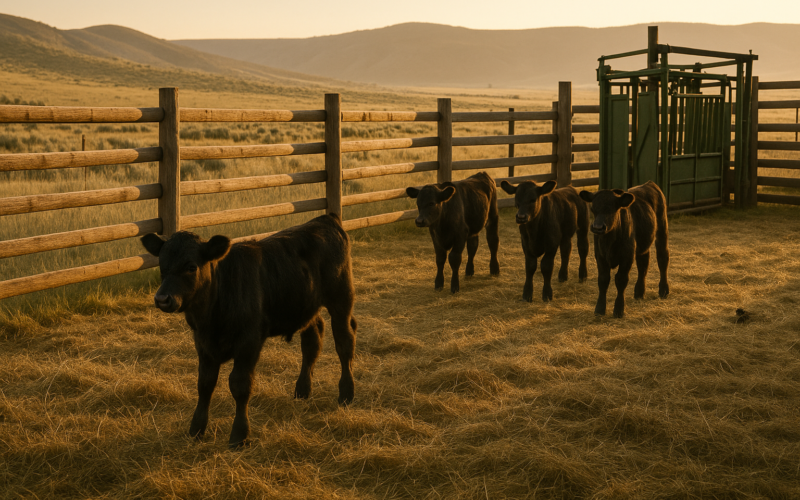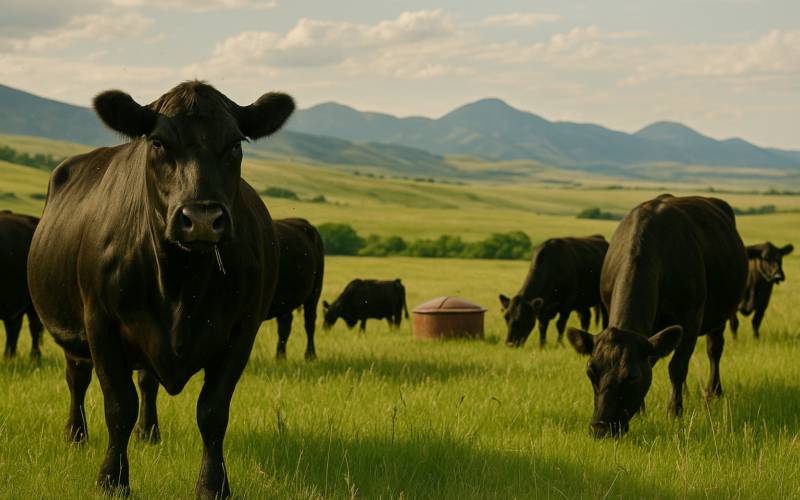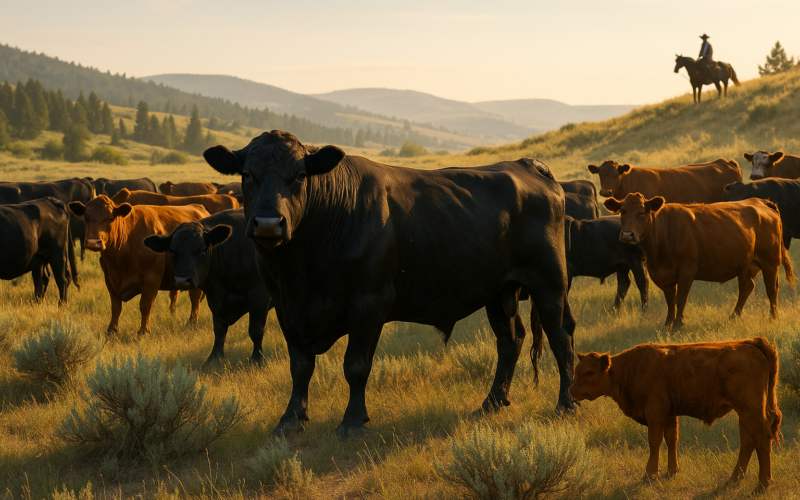
The bull gets the credit and the blame, but the thing that quietly sets your conception rate is the shape your cows are in when he goes out. A cow that calved thin, milked hard through a cold spring, and never quite caught up is not cycling on schedule. She might not be cycling at all. You turn the bull out on the calendar, but she’s running on her own clock, and it’s behind.
Mid-June is when that gap shows up. Cows that calved in February and March should be well into breeding by now. The ones that are too thin to have started their heat cycles are burning through the best breeding days of the summer doing nothing. Every cycle she misses pushes her calf twenty-one days later next spring, and a late calf weans light. Miss enough cycles and she comes up open, and you find out in the fall when there’s nothing you can do about it.
Learn to score what you’re looking at
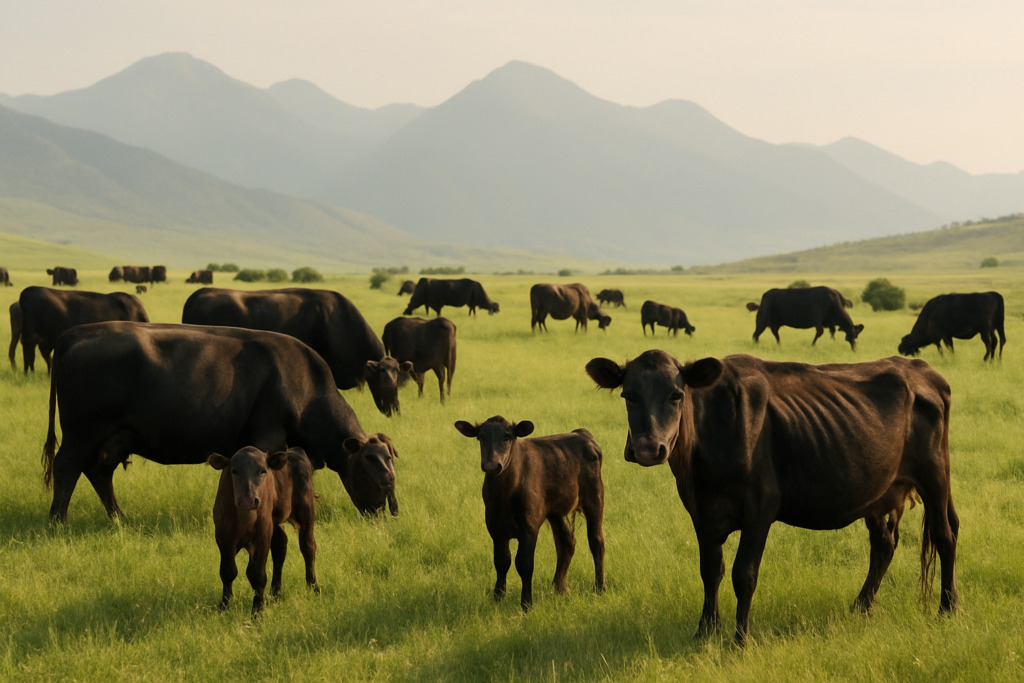
You don’t need a scale to tell a thin cow from a good one, but you do need to look past the winter hair, which by June is mostly gone anyway. Run your eyes along the ribs, the backbone, the hooks and pins, and the tailhead. On a cow in the shape you want for breeding, you can feel the last couple of ribs but the backbone doesn’t ridge up sharp, and the hooks are rounded rather than knobby. She’s carrying a little cover but she’s not fat.
The cows that worry you are the two-year-olds and the hard-milking older cows. A first-calf heifer is still growing herself while she raises a calf and tries to breed back, and she’s the first one to fall behind. She’s carrying three jobs on the same feed. Sort her off in your mind before turnout and watch her closer than the rest.
Walk or ride through the bunch and actually look at individuals instead of the herd as a blur. Note the tail-enders. A cow standing off by herself, ribs showing, calf hanging on her, is telling you she’s not going to breed early on the grass she’s getting.
Why June is the hard part of the year for a nursing cow
People think of winter as the tough stretch, but a cow’s feed demand peaks weeks after she calves, right at the top of her milk flow, which lands square in the breeding season. She’s eating for herself, for a growing calf on her side, and for the calf she’s trying to settle. On green June grass that looks like plenty, a thin cow can still be losing ground, because young grass is mostly water and she can only get so much through her in a day.
A cow that’s holding steady or gaining a little at breeding cycles better and settles earlier than one that’s dropping condition, even if the thin one is technically still in fair shape. Direction matters as much as the number. A cow headed up will breed. A cow headed down fights you.
That’s why the thin cows are worth pulling out and giving something extra, if you’ve got a trap or a smaller pasture to do it in. It doesn’t take much. A little better grass, or the pastures closest to good water so she isn’t walking off what she eats, can be enough to nudge her back into cycling. Trying to feed condition onto a cow after she’s already open is throwing good money after bad.
Fix it this year, plan it for next
There’s a limit to what you can do in June. The cows are what they are, and you can’t put condition on fast enough to salvage a badly wrecked cow before the bull comes out. But you can protect the ones sitting on the edge, keep good mineral in front of them so they’re not short on the trace elements that drive reproduction, and manage water and grass so nobody’s walking themselves thin.
The real fix happens earlier. Cows that go into calving in decent shape breed back on time without any special handling. That means the shape you want in June starts with how you fed and grouped them the previous fall and winter, and with weaning calves early enough off the thin cows to let them recover before the cold sets in.
Preg-check in the fall and you’ll see it laid out plain: the opens and the late-bred cows are, most years, the ones that were thin coming into breeding. Write down which ones. The pattern repeats until you change the feed year that feeds into it.