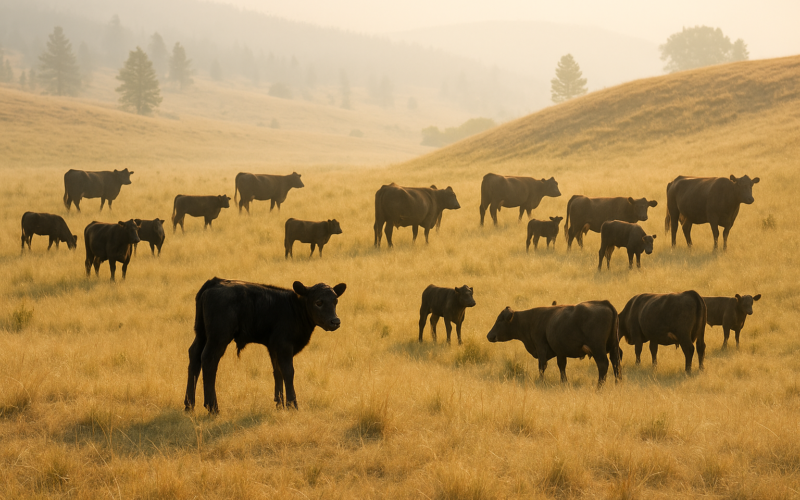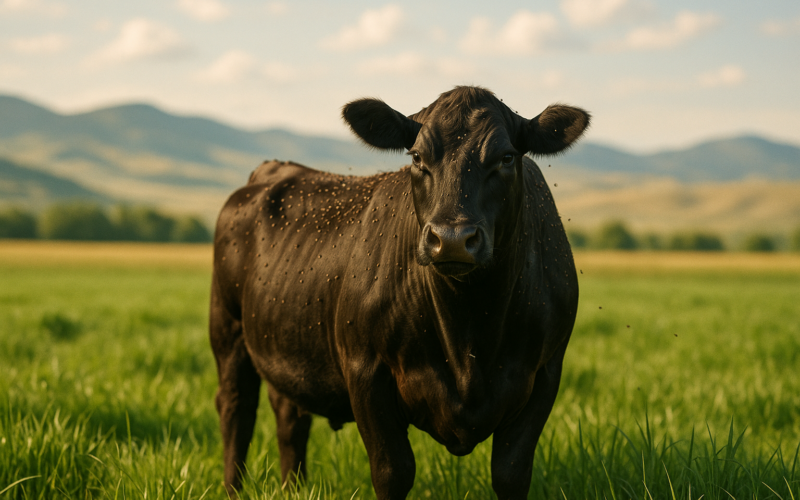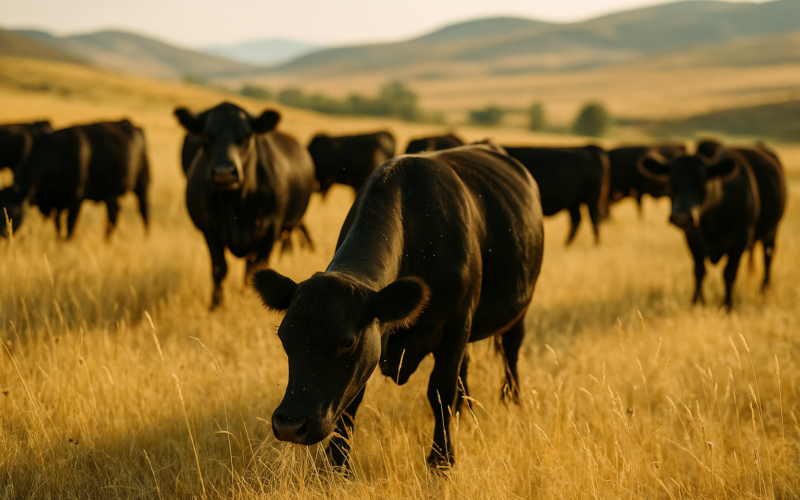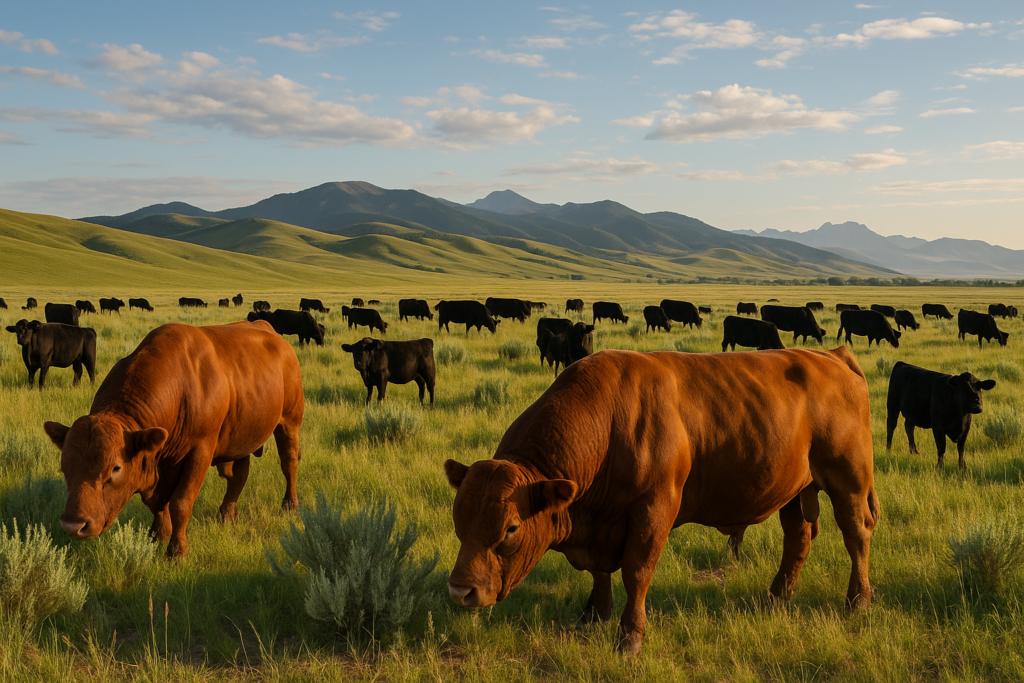
Most outfits do the front-end work right. The bull gets a breeding soundness exam in the spring, comes back satisfactory on semen and scrotal measurement, and goes out with the cows in the first half of June. Then he’s on his own for sixty days, and that’s where the wheels come off. A bull that checked good in a chute in April is a different animal three weeks into breeding on rough summer range, and the cows he isn’t settling don’t send you a letter about it.
The exam tells you a bull was fertile the day the vet looked at him. It doesn’t tell you he’ll still be sound in July, that he’ll actually cover the country you turned him into, or that the young bull you paired with an old herd sire won’t get run off the cows and stand in a corner licking his wounds. Those are things you only learn by getting out and looking.
What goes wrong after turnout
Feet and legs are the first thing to fail. A bull carries a lot of weight, and he does it while chasing cows across coulees and riprap and through the timber. Foot rot in a wet corner, a stone bruise, a strained stifle from mounting on bad footing — any of it can take a bull off the cows without killing him. He’ll graze, he’ll water, he’ll look fine at a hundred yards. He just won’t breed. A sound bull in June that’s favoring a hind leg in July is worth more to you dead-lame in the pens where you can treat him than sound-looking out on grass where he’s doing nothing.
Then there’s fighting. Turn out two bulls of uneven age or size and they’ll sort out who’s boss, sometimes hard enough to hurt one or ruin a pizzle. Bulls that spend the morning shoving each other along a fence line aren’t spending it breeding. Multiple-sire pastures need enough room and enough cows to spread the bulls out. Crowd them and they’ll fight instead of work.
Heat is the quiet one. A stretch of hot, still weather can knock down semen quality in a bull that tested fine in the spring, and the damage doesn’t show for a couple of weeks — sperm cells take that long to move through. So a July hot spell can hollow out your late-cycle conception without you seeing a lame foot or a torn sheath. There’s not much you can do about the weather, but knowing it happens is why you don’t want to lean the whole calf crop on one bull.
The single-sire gamble
One bull on a bunch of cows is the cheapest way to breed and the most expensive way to get burned. If that bull goes infertile, gets hurt, or dies, you don’t find out until you preg-check in the fall and half the cows come up open — or worse, you find out next spring when they calve strung out over three months instead of a tight window. A bull that quits at the start of breeding costs you nearly the whole herd’s calf crop. A backup bull, or splitting cows so more than one sire covers them, is cheap insurance against that kind of wreck.
Bull-to-cow ratios aren’t a fixed number. Rough country, a young bull, or a bunch of cows spread over big pastures all argue for fewer cows per bull. A mature bull in a tight, brushy field can handle more than a yearling turned onto a mountain allotment. Match the bull to the job, and don’t ask a two-year-old to do a herd sire’s work his first season.
Ride the breeding pasture
You don’t need to babysit, but you need to look. Every week or so, count your bulls and watch how they move. A bull that’s actively breeding will be tucked in with the cows, following the ones coming into heat. A bull standing off by himself, or one that’s dropped weight fast, or one that flinches walking off a hill, is telling you something.
Watch for cows repeating. If you’re seeing the same cows in standing heat that you saw riding through eighteen to twenty-one days earlier, the bull covering them isn’t settling them. That’s your early warning that something’s wrong, and you’ve still got time to pull a bad bull and put in a good one before the season runs out.
The work you do in the spring gets a bull to the pasture gate. The work you do the rest of the summer is what makes sure the calf crop is actually in the cows when you ship the bulls home. A breeding soundness exam is a starting line, not a guarantee, and the difference shows up a full year later in how tight — or how ragged — your cows calve.