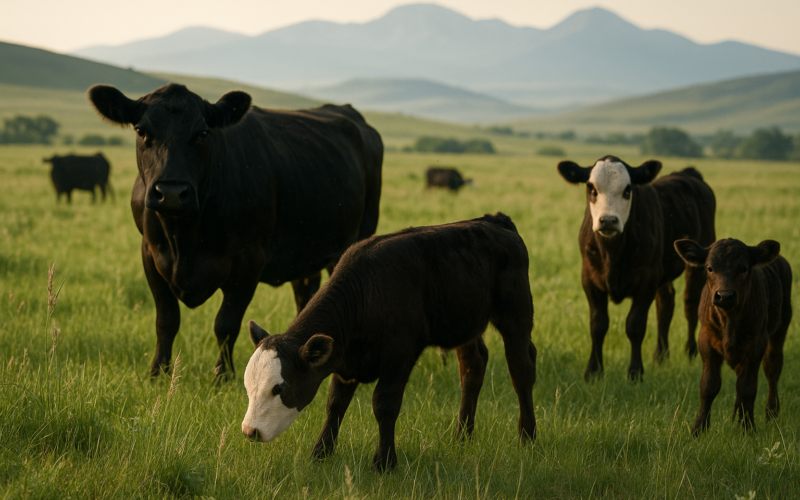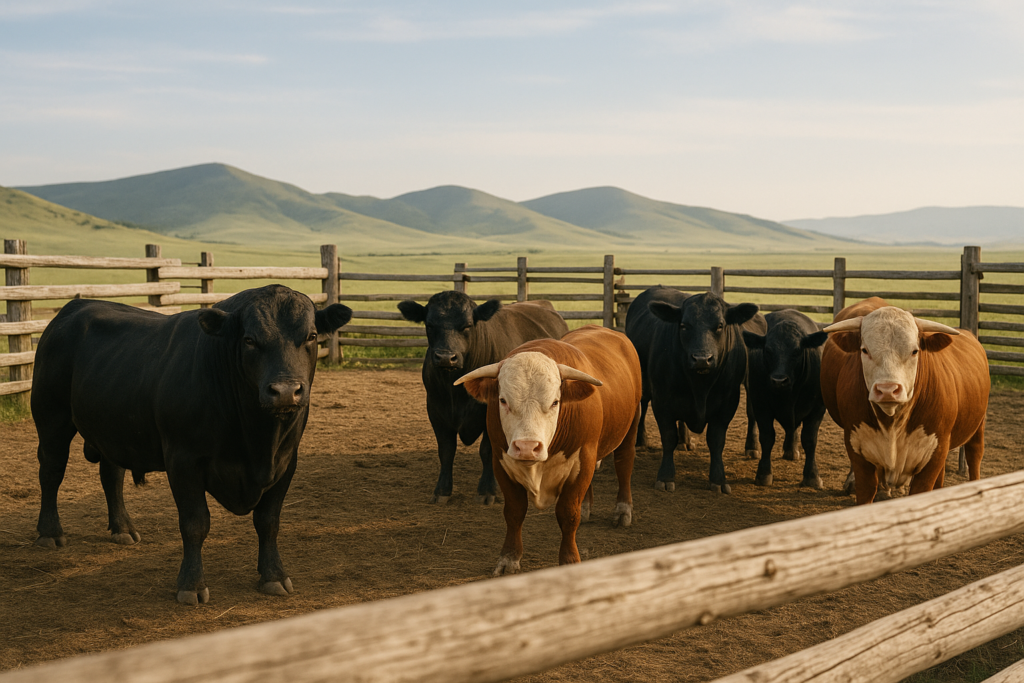
A bull walks the pen, eats good, mounts cows, and looks like every dollar you paid for him. None of that tells you whether he’s putting live calves in the ground. The only way you find out the hard way is at preg-check in the fall, when a third of the cows in his pasture come up open and there’s nothing left to do about it. By then the calves you should’ve had next spring are gone, and so is a big chunk of the year’s income from that bunch.
Mid-June is late to be thinking about this if your bulls are already out, but a lot of Montana outfits turn out in June for spring calving, and plenty run a second turnout or clean-up bulls that go in later. If a bull hasn’t had a breeding soundness exam this spring, it’s worth getting done before he does much work.
What a breeding soundness exam actually checks
A vet running a BSE looks at three things, and a bull has to pass all of them. First is the physical: feet, legs, eyes, teeth, and the reproductive organs themselves. A bull that can’t travel can’t cover cows spread across a section of foothill range. A sore foot or a bad hock keeps him in the bottom by the water while the cows drift to the ridges.
Second is scrotal circumference, measured with a tape. It correlates with sperm production and with how early his daughters reach puberty. A young bull that’s undersized there is a bull that runs out of ammunition when you turn him out with too many cows.
Third is the semen itself. The vet collects a sample and looks at it under a microscope for motility and for how the sperm are shaped. A bull can have plenty of sperm that don’t swim right or are built wrong, and no amount of desire makes up for it. This is the part you cannot eyeball from the fence. The bull that fails a semen test looks exactly like the one that passes.
Why bulls fail, and why last year doesn’t count
Fertility is not a permanent stamp. A bull that tested good last spring can test bad this one. Cold does it — frostbite on the scrotum from a bull bedded on ice or standing in wind without shelter shows up as damaged sperm weeks or months later. A high fever from foot rot, pneumonia, or a hard bout of pinkeye can knock a bull out of production for a couple of months while he recovers. A bull that got beat up in a fight and carries an injury may be settling nothing.
That lag is the trap. The insult happens in late winter or early spring, the bull looks and acts normal by turnout, and the sperm damage doesn’t clear until well into the breeding season. That’s why the exam wants to happen close to turnout, not the previous fall. A test in March means less than a test in late May or June.
One bull isn’t a plan
Even a bull that passes clean can quit on you mid-season. He can hurt a foot chasing a cow through the rocks, throw a shoulder in a fight, or get a penile injury that takes him out of service. If you run single-sire pastures, ride through them now and then and watch whether the bull is actually working. A bull standing off by himself while cows come into heat is telling you something.
Keep an eye on how many cows you’re asking a bull to cover, too. A mature bull can handle more, a yearling a lot fewer, and the numbers slide when cows are strung out across big country instead of bunched in a trap. Turn a young bull out with too many cows on rough range and he’ll settle the close ones and run out before the season’s over.
The math on all this is lopsided in your favor. An exam costs a small fraction of one weaned calf. One open cow you didn’t plan on costs far more, and a bull that’s shooting blanks doesn’t make one open cow — he makes a pastureful. Getting the vet to run your bulls before they go to work is about the cheapest insurance on the place, and it’s the kind of problem that stays completely hidden until it’s too late to fix.