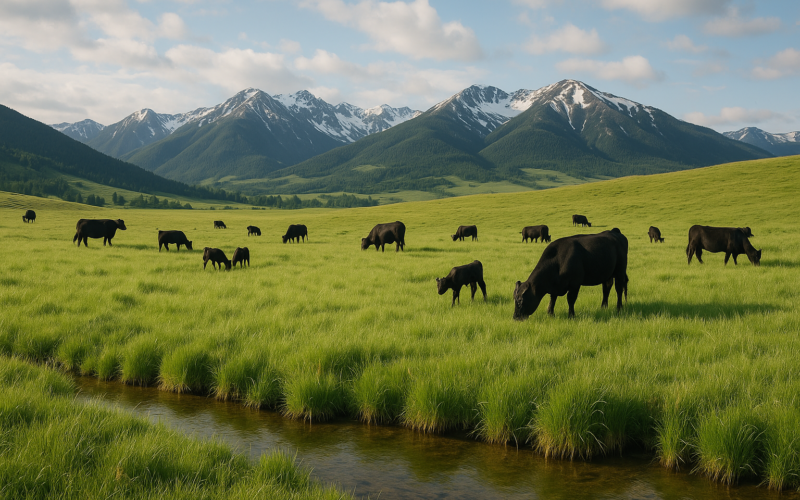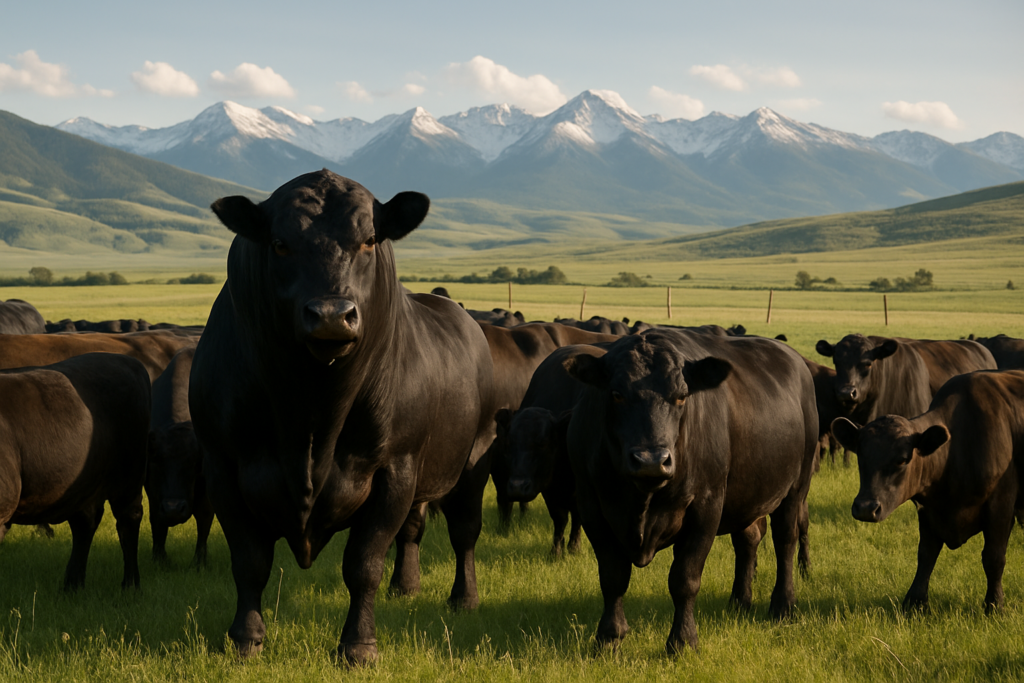
You can do everything right this month — bulls semen-tested, cows in good flesh, plenty of grass — and still pull a fifth of your herd open at preg-check. When that happens and there’s no drought or bad mineral to blame, one of the first things a vet will ask is whether trichomoniasis got into your bulls. It’s a disease that doesn’t make a cow look sick and doesn’t make a bull quit working. It just empties cows, and you don’t find out until the calf that should’ve been settled in June never shows up.
Trich (bovine trichomoniasis) is caused by a protozoan that lives in the folds of a bull’s sheath. An infected bull shows nothing. He rides cows all summer, settles some, spreads the bug to others. In the cow it causes early embryonic death and abortion, usually in the first couple months of pregnancy. She comes back into heat, gets bred again, maybe loses that one too, and either settles late or comes up open. Most cows clear the infection on their own given a long enough break, which is why the disease hides in the bull, not the cow.
Why you turn out clean and pull open
The trouble with trich is the timeline. Nothing looks wrong at turnout. Nothing looks wrong at branding, at the summer move, or when you’re checking water in August. The bull is aggressive, the cows are cycling, and you’d swear the breeding season went fine. The bill comes due at preg-check, when a chunk of the herd is open or bred so late the calves will be worthless. Then you’re standing at the chute in October trying to reconstruct what happened four months back.
The scattered breed-up is the tell. A tight, healthy herd should calve in a fairly compact window. Trich stretches that window out — a long tail of late breeders and opens — because cows are getting infected, losing pregnancies, and rebreeding on later cycles. If your calving season starts looking like it’s dragging into a second and third month with no explanation, that pattern is worth taking to your vet.
Older bulls carry it, and borrowed ones bring it
The bug settles into the sheath folds, and those folds get deeper as a bull ages. Older bulls are far more likely to be permanent carriers than young ones. That matters when you’re deciding what to keep and what to run down the road. It also matters when you borrow, lease, or buy a bull with no history, or when a neighbor’s bull comes through a bad fence and breeds a few of your cows before you get him sorted back. Open cows and shared range are how trich moves across a country. A bull that jumps in during breeding season is the classic way it lands in a clean herd.
There’s a test — a sheath sample your vet pulls and sends to a lab — and Montana regulates trich testing on bulls that change hands and move, so know the rules before you buy or sell breeding bulls. Don’t try to run around it. A single test isn’t perfect, and a bull can slip through, so vets often want more than one sample on a suspect animal. There’s no practical cure for a carrier bull. A positive bull goes to town, not back to the cows.
What you can actually do
A few things keep trich out or knock it down if it’s already in:
- Buy virgin bulls when you can, or bulls with a clean test and known history. Virgin bulls are the lowest risk.
- Keep good fence and stay on top of neighboring bulls during breeding season. Every stray bull is a question mark.
- Cull open cows rather than carrying them. An open cow that picked up trich and cleared it is fine, but she also costs you grass and can spread infection if she’s still carrying when rebred.
- Watch a stretched-out calving spread and don’t shrug it off. Bring your vet in and pull sheath samples if the pattern fits.
The frustrating part of trich is that the cure for a bad year is prevention the year before. Once it’s in and the cows are bred, you’re mostly managing damage. But a clean bull battery and a closed fence during the sixty days that matter will keep you from standing at the chute in the fall doing math you don’t like.