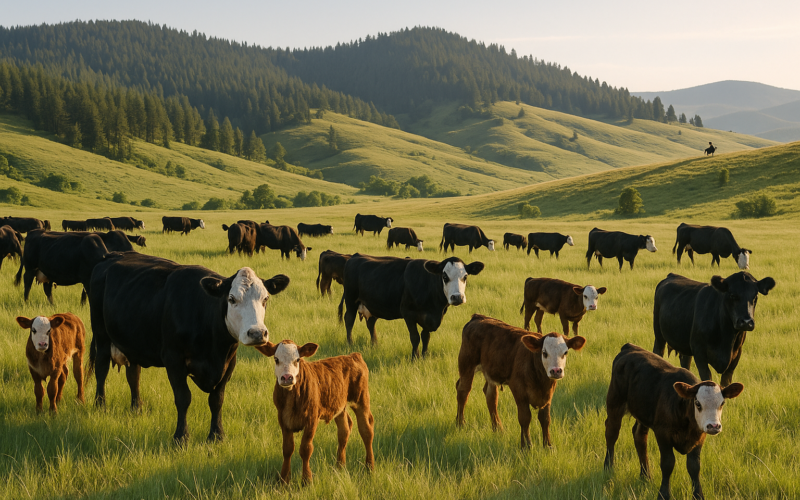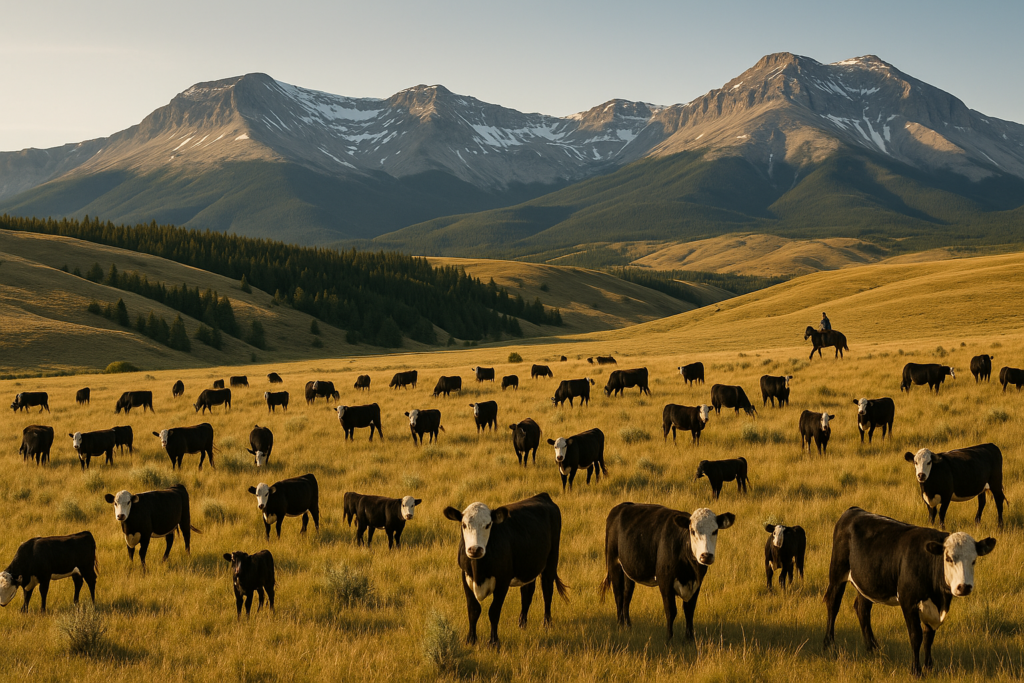
Every outfit loses a few head. A calf that scours out, a cow that goes down calving, an old bull that doesn’t make it through the last cold snap. Most years you drag the carcass off to the boneyard behind the corrals and forget about it. But if you run cattle anywhere from the Rocky Mountain Front through the Blackfoot, the Madison, or the high country around the Yellowstone, that carcass is a dinner bell. Grizzlies have spread well out onto the foothills and the prairie edges in the last couple decades, and they’ve got long memories and good noses. Where they find an easy meal once, they come back.
June is the month it starts to matter. Cattle are strung out on summer range, calves are small and slow, and bears that came off winter dens thin are working hard to put on weight. What you do with a dead animal now sets whether you’re just feeding scavengers or training a predator to associate your cattle with food.
Get the carcass gone, don’t just drag it to the fence
The worst thing you can do is pile deadstock in a low draw or timbered corner near where the cattle water and bed. That’s exactly the cover a bear wants, and once one starts feeding there it will hold in the area and take a hard look at anything else that’s slow or sick. A predator that gets comfortable working the edges of a bunch will eventually test a live calf.
Options depend on where you are and what your county allows. Rendering pickup works if you’ve got service in your area, but it’s thinned out a lot. Composting is legal and effective if you’ve got the ground and a carbon source — a big pile of old hay, sawdust, or wood chips laid down thick, carcass in the middle, covered over deep enough that nothing smells it. Deep burial away from water works too where the soil cooperates. Whatever you pick, the point is the same: get the dead animal well away from where the live ones are, and get it broken down or covered before it advertises.
If you have to leave a carcass in place for a day while you sort out equipment, put it in the open, not in the brush. A bear is more cautious feeding out where it can be seen, and you’re less likely to walk up on one in thick cover.
Ride the country and know what’s normal
You can’t manage a conflict you don’t know about. The outfits that come through summer with the fewest losses are the ones with somebody in the country regularly — riding, checking water, counting pairs. When you’re out there often you notice the things that matter early: a cow bawling for a calf that isn’t there, ravens and magpies working a spot they shouldn’t be, tracks in the mud at the stock tank, hair on a wire.
If you do find a killed animal, look at it before you move it. A predator kill usually shows hemorrhaging around the bites, hide pulled back, and the animal fed on from the udder and hindquarters or the entrails first. Something that just died and got scavenged looks different. Knowing which is which tells you whether you’ve got a real problem building or a natural loss the birds found.
Keep the attractants tight everywhere else
The carcass is the big one, but bears follow their noses to anything. Grain and cake stored out on summer allotments, dog food and horse feed at the cow camp, and the boneyard back at headquarters all pull them in. If you run mineral, that’s not the draw — it’s the protein and the sweet feed that gets attention. Electric fence around a boneyard or a bone pit does a good job of keeping bears out and is a lot cheaper than the alternatives.
None of this is about loving grizzlies. It’s about not handing a predator a reason to learn your cattle. A bear that never gets a free meal off your deadstock is a bear that keeps eating elk calves and ground squirrels and moves on. The one you feed by accident in June is the one you’re arguing about in September.