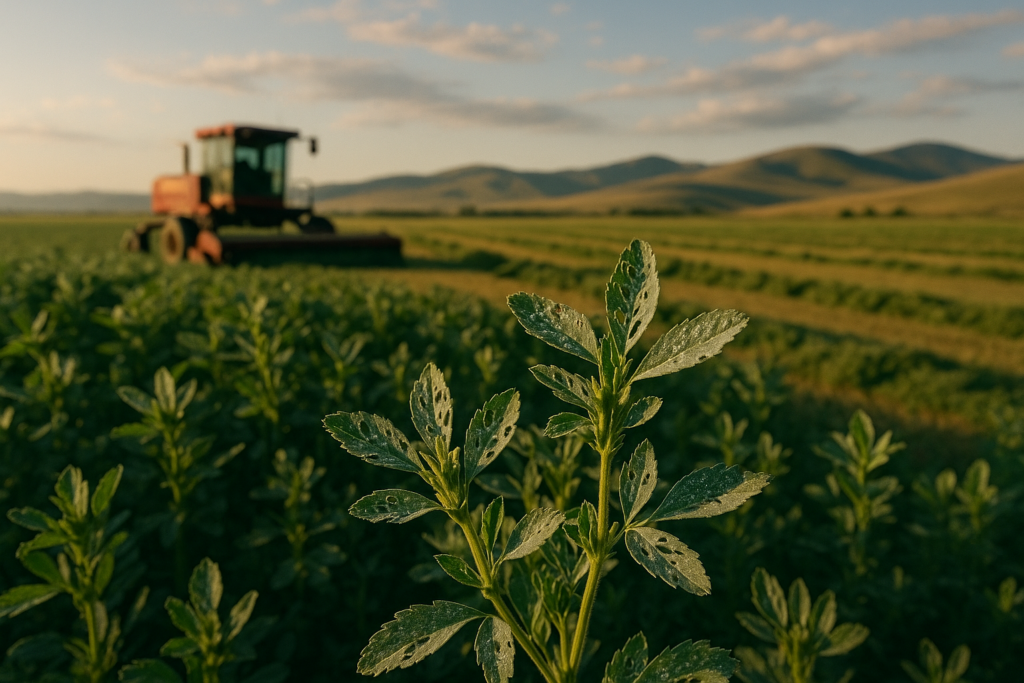
You walk out into the alfalfa in the second week of June expecting to see it stand up dark green and thick, and instead the top looks bleached and ragged. Get down on your knees and part the canopy. The upper leaves are chewed to lace, the growing tips are stripped, and the whole field has a gray cast to it from a distance. That’s not frost and it’s not disease. That’s alfalfa weevil larvae, and they’ve been working the top of the plant while you were busy with something else.
The weevil is an old problem in Montana alfalfa and it runs on a predictable clock. Adults lay eggs in the stems through spring, the larvae hatch and climb to the growing tips, and by the time the stand is heading toward bud in early to mid-June the little green larvae with the white stripe down their back are feeding hard. They go after the tender new leaves first, which is exactly the part of the plant that carries your protein and your tonnage.
Know what you’re looking at before you spray anything
The damage shows up as skeletonized leaves and pinholes near the top of the plant, and heavy feeding gives the field that frosted, silvery look you can pick out from the pickup. The larvae themselves are small, pale green, and they’ll curl into a C when you disturb them. Don’t confuse the fat, dark-headed weevil larvae with aphids or the beneficial lady beetle larvae that show up to eat the aphids.
The honest way to check is a sweep net or the bucket method. Pull a handful of stems, turn them upside down and shake them hard against the inside of a light-colored bucket, and count what falls out. Do it in several spots across the field, because weevil pressure runs heavier on south slopes and drier ground that warmed up first. A few larvae per stem across a young stand is worth paying attention to. A stand that’s already turning gray is telling you the same thing without the counting.
Cutting early is a control, not just a harvest
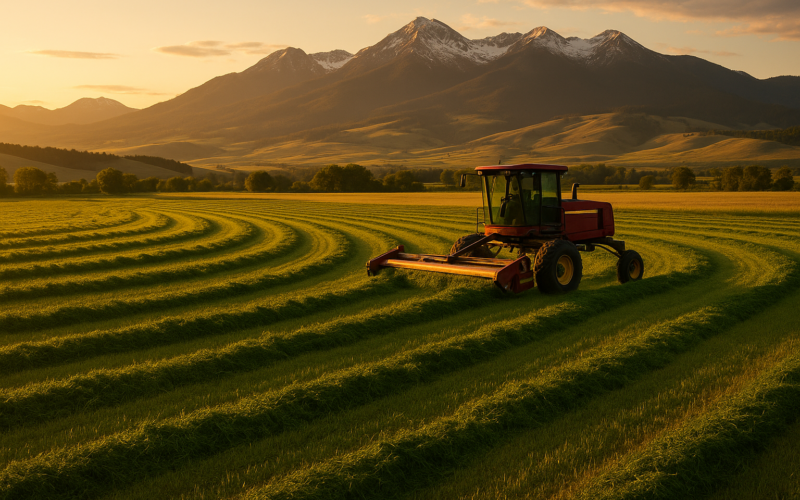
Here’s the part a lot of guys miss. If the alfalfa is close to cutting anyway, dropping it early is one of the best weevil controls you have and it doesn’t cost you a dime in chemical. When you lay that crop down, you strip the larvae of the tender growth they live on and you expose them to sun and heat in the windrow. A lot of them cook or starve before they can move on.
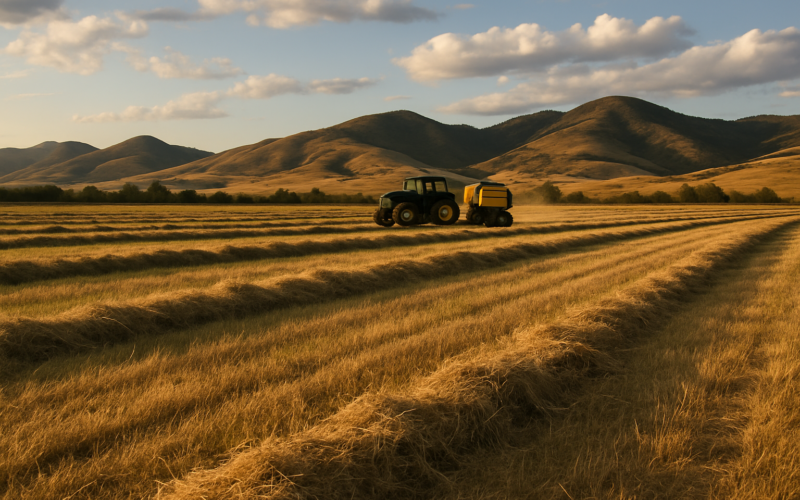
The catch is what happens to the regrowth. After a heavy first cutting infestation, surviving larvae and any adults still in the field will move down and feed on the new shoots coming off the crown. That stubble feeding can flat stall your second cutting, leaving you with a field that just sits there yellow instead of jumping back. So after you bale, walk the stubble. If the new growth isn’t greening up and you’re finding larvae still chewing on it, that’s when a stubble treatment earns its keep. Waiting to cut when the crop is already chewed up and hoping it recovers on its own is how you lose the whole second cutting to a bug you could have beaten by swathing four days sooner.
If you’re going to spray standing alfalfa instead of cutting it, mind the days-to-harvest interval on the label and don’t do it during bloom when the field is full of bees. And read that label for the actual pre-harvest window, because it’s easy to spray, decide to cut early, and end up with hay you can’t legally feed on time.
Watch the fields that got hit last year
Weevil doesn’t spread evenly across a ranch. The dryland corner that always warms up first, the old established stand that’s getting thin, the field tucked against a south-facing hill, those tend to show pressure earliest and heaviest year after year. If a field burned you last June, start scouting it a week earlier this time. The whole game with weevil is being in front of it. Once the top’s already skeletonized, you’re not preventing anything, you’re just measuring what it cost you.
Ten minutes with a bucket and a handful of stems, done a couple times before first cutting, tells you more than driving the field road ever will. Do it while the larvae are still small enough that cutting on time solves most of the problem for you.