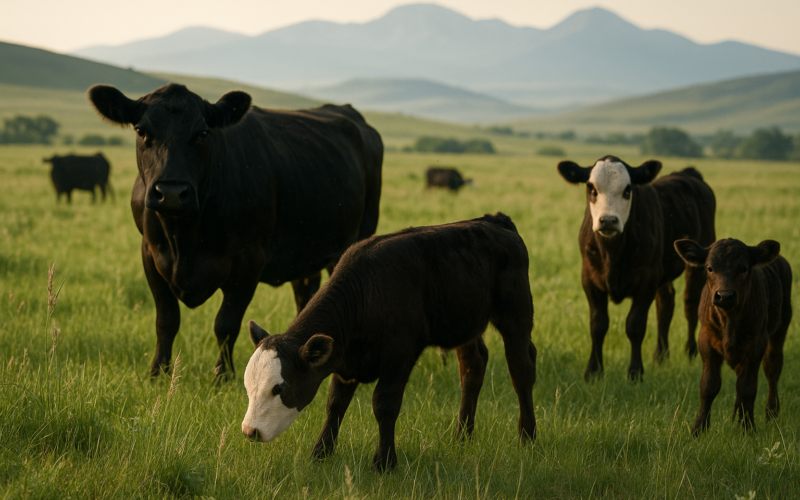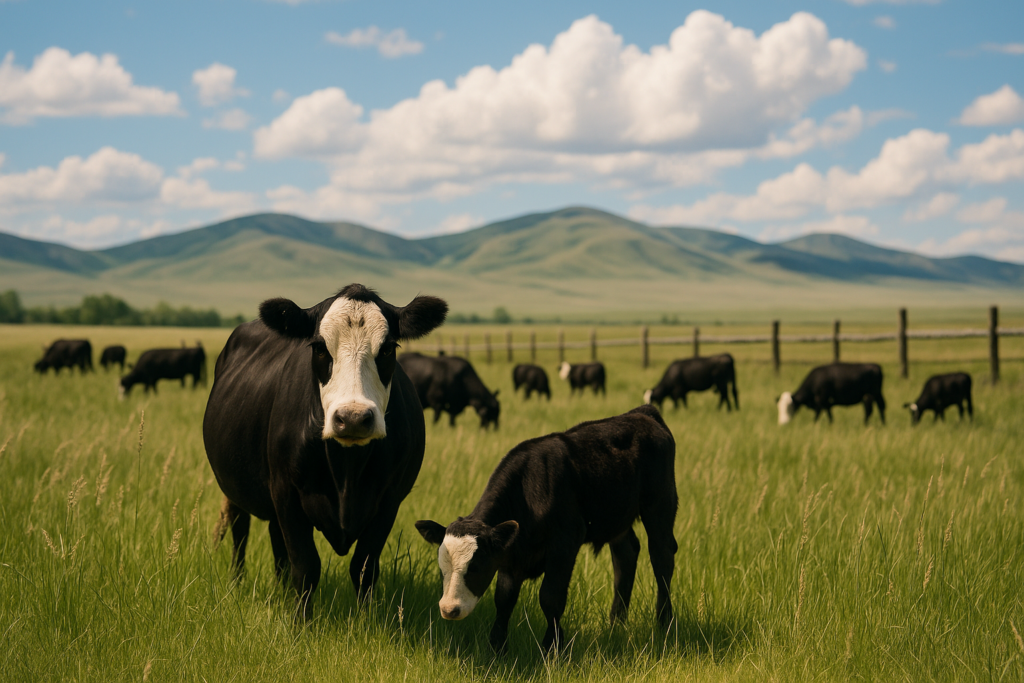
You’ll notice it in the pairs before you notice it in yourself: a calf standing off from the bunch, head low, one eye squinted shut and running. Come back in three days and the eye’s clouded blue-white, and the calf is starting to lose ground. By the time half a dozen look like that, pinkeye is already loose in the herd and you’re playing catch-up for the rest of the summer.
Infectious bovine keratoconjunctivitis—pinkeye to everybody who’s ever dealt with it—hits hardest from June through August, right when the grass is good and calves ought to be gaining. It doesn’t usually kill anything. What it costs you is gain on the calf that quits eating, the labor of roping and treating out on grass, and the occasional animal that ends up blind in one eye and never quite recovers.
Why it flares up in the heat
Three things line up in the summer to set it off. The bacteria that cause the worst cases need a way into the eye, and anything that scratches or irritates the surface opens the door. Tall, seedy grass and cheatgrass awns poke calves in the face while they graze. UV light off bright June days irritates the eye, which is part of why white-faced cattle and light-pigmented eyes get it worse. And face flies feed on the moisture around the eye, carry the bug from one animal to the next, and keep the whole thing rolling.
That’s the chain to think about. You’re not just treating sick eyes—you’re trying to break the cycle of irritation, infection, and flies moving it around. Miss any one link and the outbreak keeps feeding itself.
Dust plays into it too. Cattle bunched on a dusty water lane or crowded around a bale feeder in a dry June kick up grit that lands in eyes all day. Anything that keeps the eye raw is working against you.
Catch it early and treat it right
Early pinkeye is a runny, squinty, sensitive eye. That’s the stage where treatment does the most good and the calf recovers clean. Wait until the eye is clouded over and ulcerated and you’re looking at a longer fight and a real chance of permanent damage.
A long-acting antibiotic labeled for pinkeye, given early, is the backbone of treatment—talk to your vet about which product and get the withdrawal times right. Some outfits also patch the affected eye or glue a patch over it to keep out sun, flies, and dust while it heals. It looks like a lot of trouble for one eye, but a patched eye heals faster and the calf isn’t spreading tears full of bacteria to every animal it stands next to.
Handle sick calves last, or at least clean up between animals if you can. Face flies and your own hands both move this thing. And don’t forget to write down what you treated and when—out on summer range it’s easy to doctor the same calf twice and miss the one down in the coulee.
Knock down the flies and the irritation
Fly control is where you get ahead of pinkeye instead of chasing it. Face flies are the main culprit, and they’re stubborn—they only spend part of their time on the animal, so a single tag or pour-on rarely holds them all summer. Fly tags work best if you put them in fresh and pull the spent ones in the fall so you’re not breeding resistance. Dust bags and oilers hung where cattle have to walk under them, like a mineral station or a water gap, put insecticide right where the flies feed. Rotating the class of chemical you use year to year keeps it working.
Clipping tall pasture, grazing cheatgrass while it’s still green and soft, and keeping cattle off dusty, pounded ground all cut down on the eye irritation that starts the trouble. If you’ve got a group that fights pinkeye every single year, ask your vet about a vaccine—results vary by herd and by which bacterial strains are involved, so it’s worth a conversation rather than a blanket assumption it’ll fix everything.
The thing to remember is that pinkeye moves faster than you’d like once it starts. Ride your pairs with your eyes open in June, pull the first squinty calf you see and treat it before you’ve got ten, and stay on the flies all summer instead of tagging once and forgetting it. The difference between a couple of sick eyes and a herd-wide wreck usually comes down to how early you caught the first one.