The trucks are loaded or the horses are saddled, and everybody wants the pairs on grass and off the home place. That’s the moment a good year turns into a headache. Push a bunch of cows and calves too hard on the way to summer range and you’ll pull into the new pasture with calves bawling on one fence and cows bawling on another, and no way to sort them in the dark.
Mid-June moves are routine across most of the state — off the valley meadows and up onto the foothill and mountain country, or out to a leased summer block. The cattle don’t know the plan. The cow knows where she came from and where her calf was standing an hour ago, and if you separate those two things she’ll walk right back through you trying to find it.
Pairs stay paired when you don’t rush them
Calves a couple months old still spend a lot of the day laid up while the cow grazes off a ways. Gather too fast and you scoop up cows without their calves, and now you’re trailing a bunch where half the mothers are looking backward. The fix is boring and it works: gather early while it’s cool, let the pairs mother up before you move a foot, and count calves against cows before you leave the field.
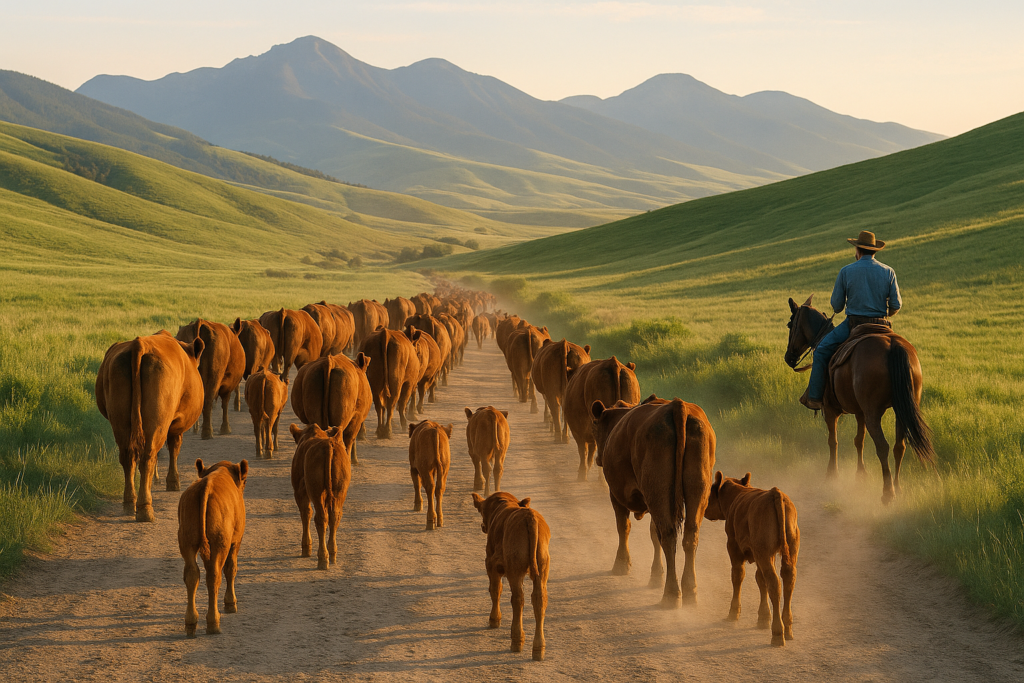
On the trail, let them string out and travel at the cow’s pace, not the horse’s. Little calves fall to the back. If your drag riders are pushing hard, calves peel off into the brush and lay down, and the cow that’s already up front doesn’t miss it until you’re two miles gone. Stop and let them pair up at gates and water. A move that takes an extra hour beats two days of riding fence lines looking for singles.
Hauling has its own version of this. Sort pairs so calves aren’t getting run over by big dry cows in the pot. Load quiet, haul steady, and when you dump them, dump them in a small trap or a corner where they can find each other before they’ve got a whole section to get lost in. Turning a fresh load loose into a big rough pasture is asking for calves that never do catch back up to mama.
The stress you can’t see is the one that puts a calf down
A hot, hard move is the setup for summer pneumonia. You won’t watch a calf get sick on the trail. You’ll find him a week later, gaunt and slow, breathing hard on a hillside, and by then he’s behind for the summer. Heat and dust and a full day of walking wear a young calf down, and a run-down calf is a target for whatever’s already in the herd.
Move in the cool of the morning. Have water available where you turn out — a calf that’s been off the tank all day and can’t find the new one is a calf that’s not drinking. If you’re branding, castrating, or working these calves right before the haul, give them a day to get over it instead of stacking every stress on top of each other in the same forty-eight hours. The whole idea is to spread the hard days out.
Set them up before you shut the gate
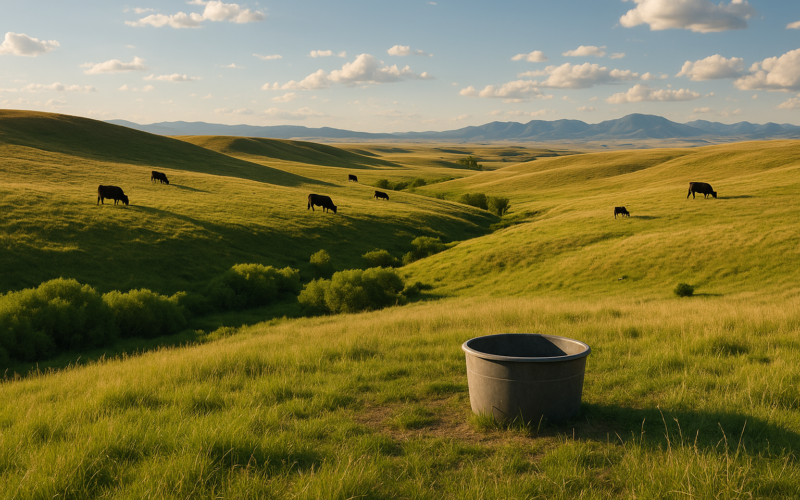
Half the trouble on new range happens the first day because nobody showed the cattle where things are. Dump them near water and let them settle instead of pushing them straight up into timber or across a big flat. Cows that know where the tank is stay calmer, and calm pairs stay paired.
Ride through them the next morning. Count again. Look for the calf standing alone, the cow with a tight bag walking the fence, the calf that’s hanging his head. Those are the ones you catch now, while you still can, before they slip off into a hundred head on a rough allotment. A calf found on day two gets mothered up or doctored. The same calf found on day ten is a death loss or a poor-doing runt you’ll cull in the fall.
None of this is complicated. Gather cool, travel slow, keep pairs together, and give them a soft landing on the other end. The temptation every June is to get it done and move on to haying. The pairs you take twenty minutes longer with are the ones you won’t be chasing all summer.