The green in June fools people. Bluebunch wheatgrass and needle-and-thread come on strong on the foothill slopes and the grass looks like it’ll never run out. It will. Most of your native cool-season production happens in a narrow stretch from late May into early July, and how you handle the range in those weeks decides whether you’re still grazing standing feed in August or hauling cake and hoping the creek holds.
The mistake isn’t turning out. It’s leaving cattle in one spot long enough to bite the regrowth. A plant that gets grazed once in June can recover if you pull off and give it rest. Grazed again three weeks later, before it has replaced its leaves, it burns through root reserves it won’t rebuild until next spring. Do that across a whole pasture and you thin the stand a little every year until the good grass gives way to clubmoss, cheatgrass, and bare ground.
Take half, leave half — and mean it
The old rule still holds: graze about half the year’s growth by weight and leave the rest. On most Montana native range that means pulling cattle off when the grass is grazed down to roughly three or four inches of stubble, not when it’s chewed to the dirt. That leftover leaf isn’t waste. It’s the solar panel the plant uses to regrow, it shades the crown, and it catches snow next winter.
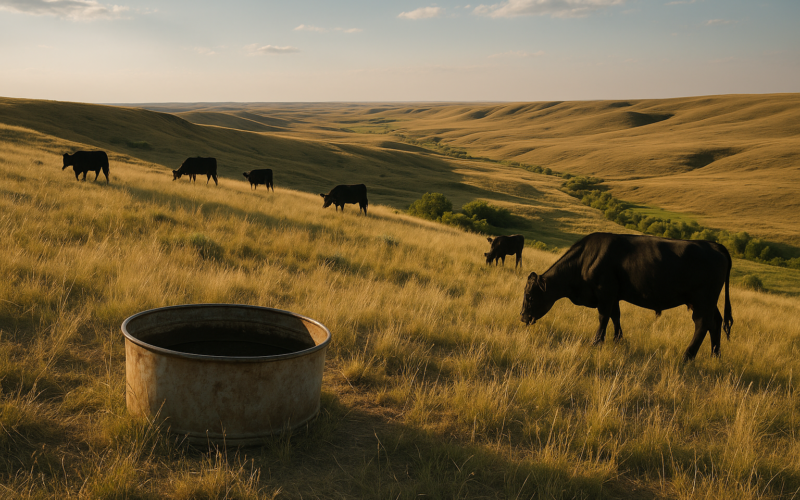
The trouble is that cattle don’t graze a pasture evenly. They hammer the bottoms, the water, and the gentle ground first and leave the ridges and the far corners standing. By the time the average looks about right, the country near water is grazed into the ground. So don’t judge a pasture by its best-looking half. Walk or ride the areas cattle actually use hard and set your move date off those.
Keep them moving while the grass is growing
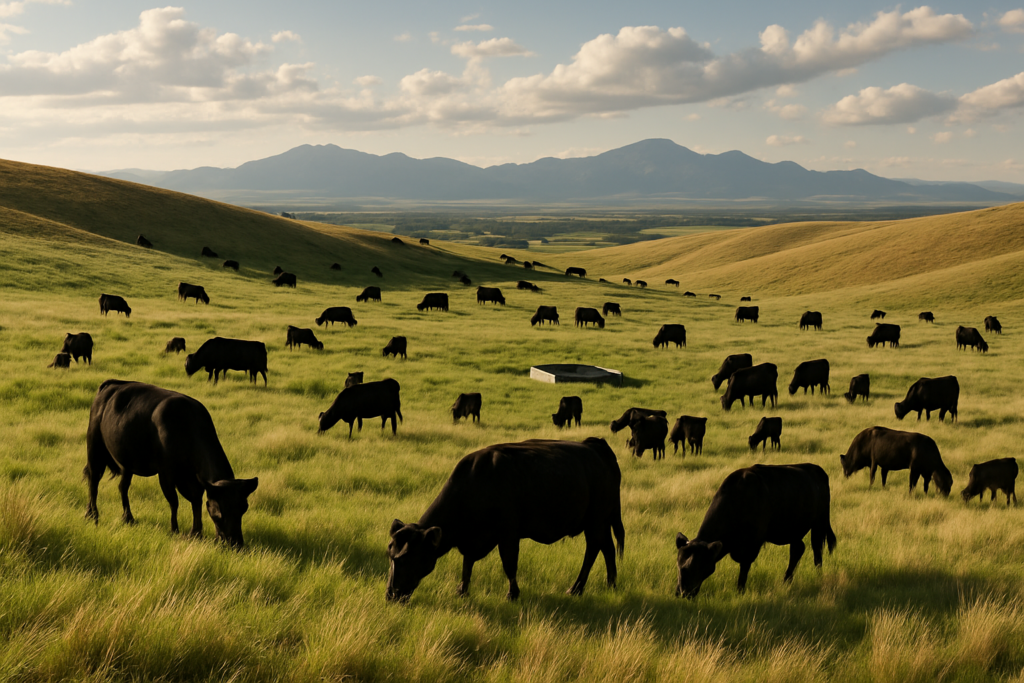
You don’t need thirty paddocks and a fence charger the size of a truck battery to graze better. You need to move cattle through pastures faster in the fast-growth window and slower later, once the grass has set seed and quit growing. A common early-summer setup is short stays — a week or two in a paddock, then off — so plants get bitten once and then rested for the rest of the season.
A few things make that work on real Montana country:
- Rest is the whole point. The grazing period can be short or long, but every grazed plant needs enough recovery time to grow its leaves back before anything eats it again. In a growing year that might be 30 to 45 days; in a dry one it’s longer, because grass can’t regrow without moisture.
- Spread the use with water and salt. Put mineral and salt away from the tank and away from the shade to pull cattle up onto the ridges and the far ground they’d otherwise ignore. Temporary polywire can peel a bunch off an overused bottom without a lot of work.
- Match numbers to the year, not the calendar. Turnout dates get set by tradition. Rainfall doesn’t care about tradition. A short spring means less grass, and the range will tell you that in June if you’re reading it instead of counting days.
Watch what the range is telling you
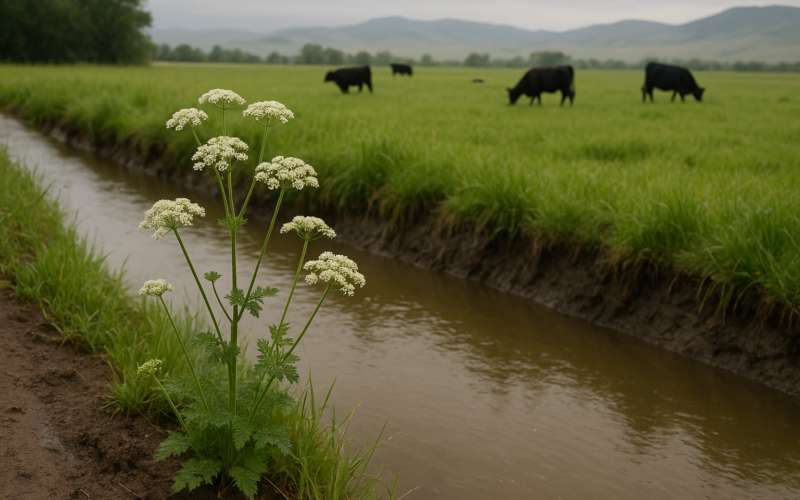
Grazed-too-early range shows itself fast. Cattle start ranging farther for a bite, the tank gets muddied and pounded, and the plants they like best get shorter each time you look while the plants they won’t touch stand tall. That widening gap between grazed and ungrazed is a sign the good grass is losing ground.
Dry years are where early overuse really costs you. If you graze the June growth hard and July comes in hot and short on rain, the grass has no reserves to push a second flush and no leaf left to shade the soil. You end up feeding hay in August that you meant to save for winter, or selling cows into a market that’s already crowded with everyone else in the same jam. A little restraint in June is cheap drought insurance.
None of this means babying the range into a museum piece. Grass is a crop, and it’s there to be grazed. But it’s a crop you harvest with a cow’s mouth, and the timing matters as much as it does with hay. Take the growth once, leave enough to run the plant, and move on before you take the regrowth. The country pays you back for it clear into fall.