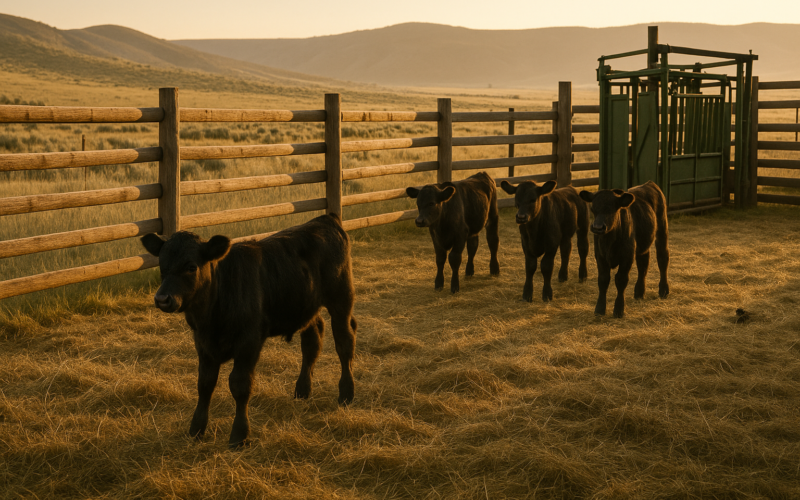
Plenty of Montana outfits are just now finishing what they started in May. Late calvers, a stretch of wet weather that kept the corral a bog, a neighbor’s branding you couldn’t miss — one thing after another pushes the last bunch of calves into the middle of June. By then the flies are up, the ground is warm, and a wound that would have healed clean in cool May weather turns into a mess you’re doctoring for weeks.
The knife work itself hasn’t changed. What changes is everything working against the healing once the calf walks off. Warm, still air, manure, dust, and a steady supply of flies looking for a wet spot to lay eggs. A fresh castration or a dehorning scoop is exactly what they’re after.
Why June wounds go bad
An open wound in cool weather scabs and drains without much fuss. Add heat and humidity and the same cut stays wet longer, and wet is what draws flies. They lay eggs on the raw edges, the eggs hatch, and now you’ve got maggots working in a scrotum or a horn hole. The calf goes off feed, stands humped in the shade, and drops back from the bunch. Screwworm isn’t the worry here — it’s the common blow flies and the secondary infection that follows a fly-struck wound.
The older the calf, the more this stings you. A big bull calf castrated at three or four months bleeds more, swells more, and has a bigger opening for trouble to get in. Same with horns — scooping a good-sized horn late leaves a hole into the sinus that takes real time to close. Every day of setback is gain you don’t get back before weaning.
Time it around the flies and the weather
If you’ve still got calves to work, get at it on the cool, dry mornings. Work at daybreak while it’s still in the fifties, before the flies are moving and before the heat builds in the herd. Skip the muggy afternoons after a rain — that’s the worst combination you can pick.
Watch the forecast for a dry window. You want a couple of clear days after you turn them out, not a thunderstorm that mudsl the whole pen and drives the pairs into the wet corners. Clean, grassy ground for the calves to mother up on beats a churned-up corral every time.
If the calves have gotten big on you, it’s worth asking whether the knife is even the right call this late. Banding a larger bull calf avoids the open wound entirely, though it comes with its own tetanus risk if they’re not covered. A vet can also pull blood or set you up for a different approach on the heavy ones. The point is that the standard spring method gets less forgiving the later and hotter it gets.
Keep the wound working for you
A few habits cut down the trouble:
- Make a clean, generous castration cut that drains well. A wound that seals over the top and holds fluid underneath is the one that abscesses.
- Have your tetanus coverage in order before you start, especially if you’re banding. Clostridial protection matters more when you’re leaving tissue to die off.
- Keep a fly repellent or wound dressing on hand and hit the fresh cuts if flies are already thick. It buys the first critical day or two.
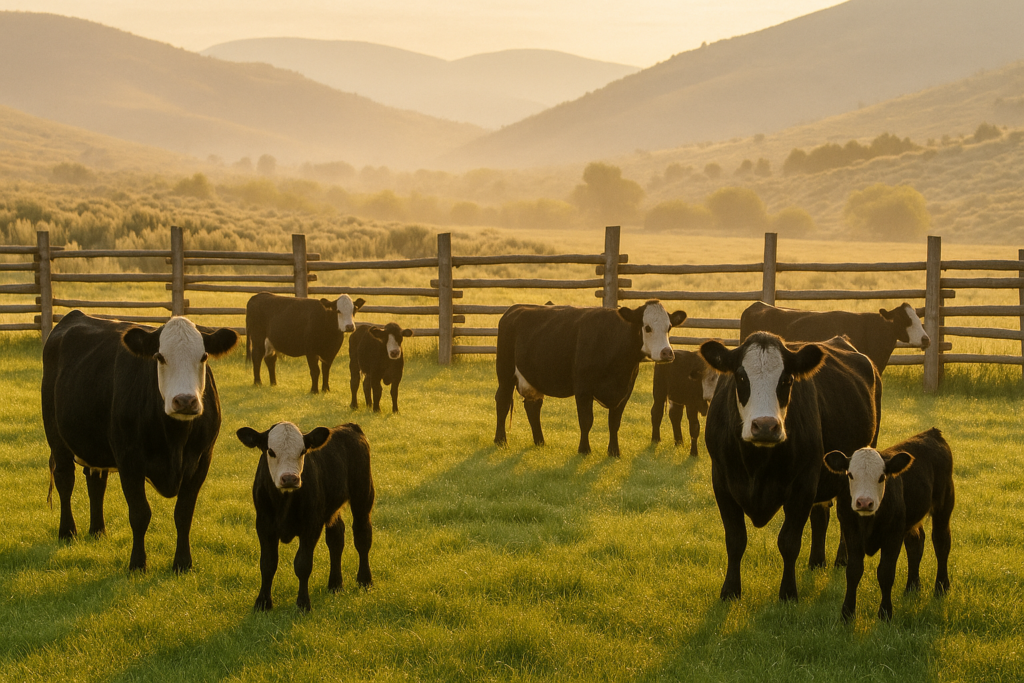
- Sort the pairs onto clean pasture with shade and water close, so a sore calf doesn’t have to travel far or lie in the dust.
Then actually look at them over the next week. A fly-struck wound doesn’t announce itself. You’ll notice one calf standing off by himself, tail switching at his back end, not coming up when the bunch moves to water. Catch that calf and you can flush the wound and treat him before it runs him down. Miss him for four or five days in June heat and you’re roping a sick calf in a big pasture.
None of this is complicated. It’s mostly a matter of not treating a June branding like a May one. The flies and the heat are doing their own work now, and the calf pays for it if you don’t plan around them.