The heifer that looks like a champion in the fall—slick, heavy, raised a good calf—is the same animal that shows up open at preg-check if you’re not careful with her. She isn’t lazy or a poor breeder. She’s a two-year-old doing three jobs at once: finishing her own growth, milking a calf, and trying to get bred back on a short clock. The mature cows in that pasture only have to do the last two, and they’ll take her feed to do it.
Most spring-calving outfits in Montana turn heifers in a little ahead of the cows so they calve first and get extra recovery time. That head start helps. But it evaporates fast if, once she calves, that young female goes right back in with the main herd and takes her chances at the bunk, the salt, and the best grass. She loses those fights every time.
Why the young ones fall behind
A heifer isn’t done growing until she’s three or four years old. When she calves at two, her body is still putting energy into frame and muscle at the same time her udder is pulling everything it can for milk. That’s a bigger nutritional load than a dry, grown cow carries, and she has less rumen capacity to fill it with grass. So even on good June feed she can slide backward in body condition without you seeing it day to day.
Cows won’t rebreed until they’ve recovered enough after calving to cycle. A thin, still-growing heifer takes longer to get there, and if she doesn’t come into heat until late in a 60-day breeding window, she has one or two shots at settling instead of three. Miss those and she’s open. The cruel part is that she often raises a perfectly good calf right up until you ship her, so the problem stays hidden until the vet calls it.
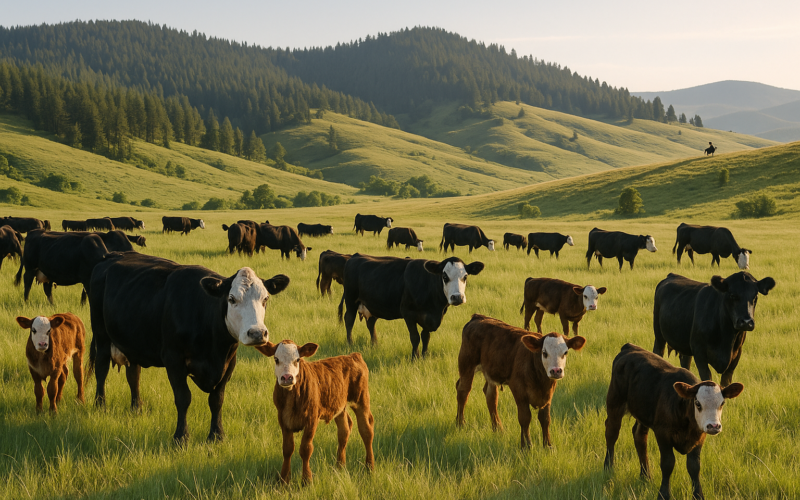
The pecking order makes it worse. Turn twenty two-year-olds in with a hundred solid-mouth cows and watch who gets pushed off the mineral tub and stands at the back of the water. It’s the young ones, every time. On native range that’s spread out it matters less. Around a feed ground, a single water source, or a creek crossing that bottlenecks the whole bunch, it matters a lot.
Sort them off and manage them like what they are
The cleanest fix is to run first-calf heifers—and often second-calvers too—as their own group through breeding. It’s more work and another pasture, but it lets you feed and manage them for what they need instead of splitting the difference with grown cows.
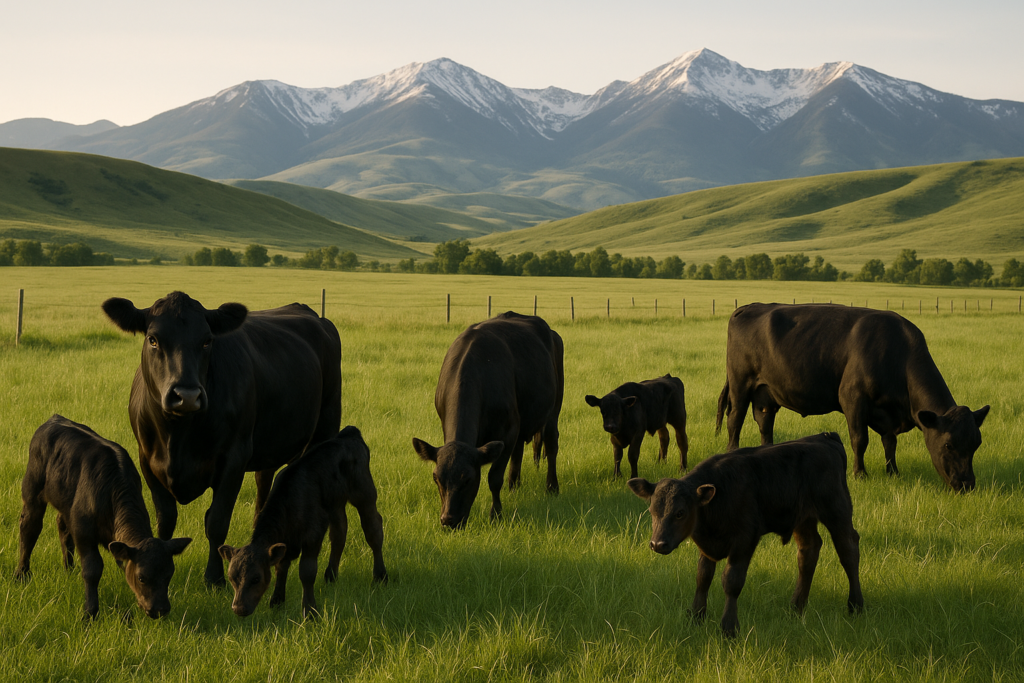
- Give them the better grass. If you’ve got a meadow or a pasture that greened up early and thick, that’s where the young cows earn their keep. Save the rougher country for the mature cows that can hold condition on it.
- Let them eat without a fight. Their own group means no old boss cow guarding the mineral or standing in the water gap. Everybody gets a turn.
- Watch body condition, not just the calf. A first-calf heifer should be in decent flesh—not fat, but with cover over the ribs and hooks—going into breeding. If she’s slipping in June, she won’t magically recover in time to cycle.
- Keep mineral in front of them. The demands of growth plus lactation stretch a young cow’s mineral status thin. This is the group most likely to show up short.
Bull power matters here too. A young, sound bull with heifers is fine, but don’t hand a pen of two-year-olds to a broken-down old herd sire and expect him to cover them in a tight window. If they’re cycling later than the cows anyway, they need a bull that will actually get around to them.
The payoff is on next year’s calendar
A heifer that breeds back on time as a two-year-old calves in the front of the herd again the next spring, and she keeps that spot for the rest of her life. One that slips a cycle calves later every year until she finally comes up open in a bad year and gets shipped—after you’ve fed her through two or three winters. The whole cost of raising a replacement rides on getting her bred back that first time.
You spent real money developing those heifers to breed. Giving them their own ground and a fair shot at feed for one summer is cheap insurance against watching a third of them go down the road open. Sort them off, feed them like the growing animals they still are, and let the old cows fend for themselves on the rougher country. They can handle it. The young ones can’t.