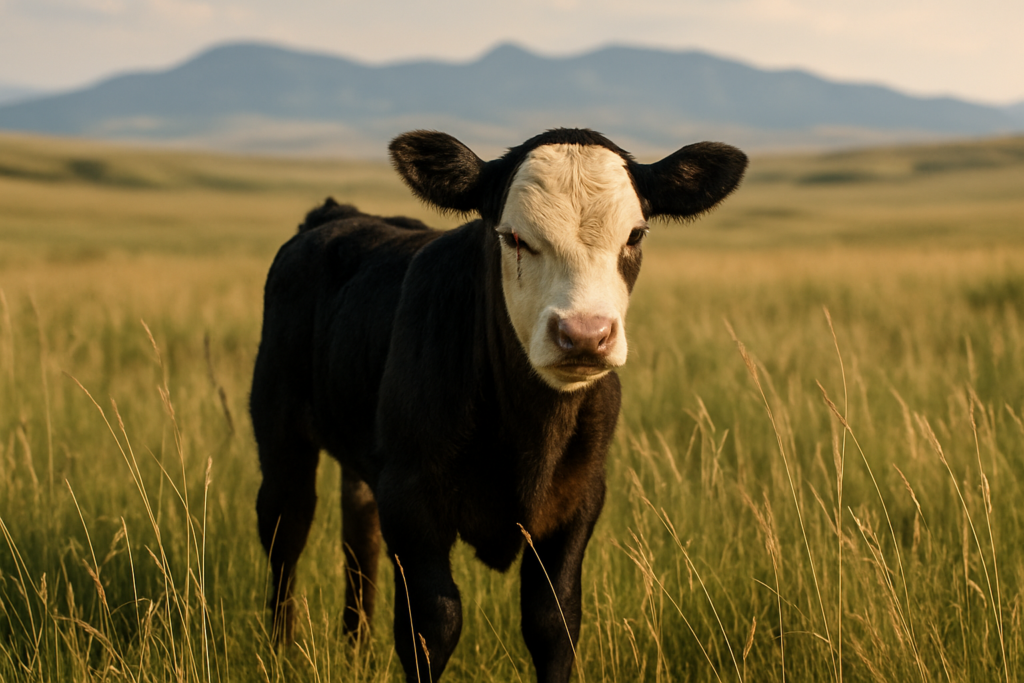
You spot it from the pickup before you’re close enough to read the ear tag. A calf standing off by itself, head low, one eye squinted shut and running down the cheek. Give it a couple of days and that eye goes cloudy blue, then white, and if it gets bad enough the center bulges and ruptures. By then you’ve usually got three or four more coming down with the same thing, because pinkeye doesn’t stay put once it’s loose in the herd.
The disease is infectious bovine keratoconjunctivitis, but nobody at the branding pen calls it that. It’s a bacterial infection of the eye that flares up every summer in Montana, worst in June and July when the face flies come on and the grass throws up its seed heads. It hits calves harder than mature cows, and a calf that spends a month with a bad eye doesn’t gain like his pen mates. You feel that at weaning.
Why it takes off when the grass gets tall
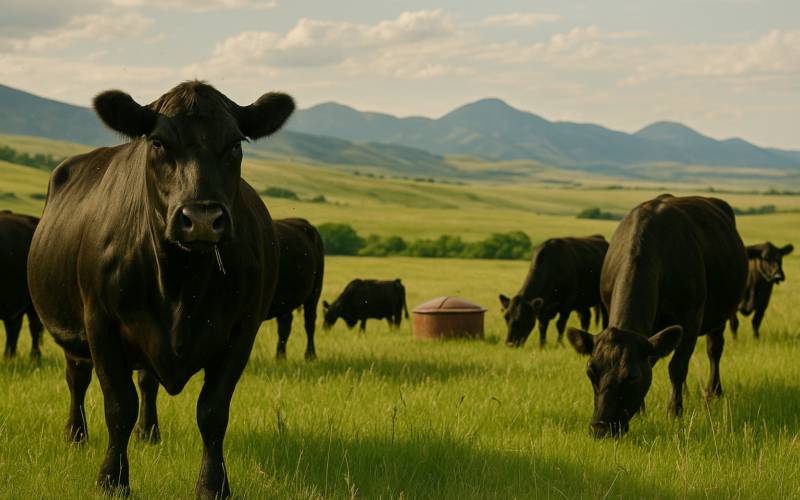
Pinkeye needs three things working together, and summer pasture hands it all three. First, something has to scratch or irritate the surface of the eye so the bacteria can get a hold. Tall grass whipping across a grazing calf’s face does it. So does blowing dust on a dry, overgrazed pasture, and so does the bright reflected sun on a bald-faced animal with no pigment around the eye.
Second, the bug has to get carried from a sick animal to a healthy one. That’s the face fly’s job. Face flies feed on the moisture around the eyes and muzzle, and they’ll work down a whole herd in a day, carrying infection on their mouthparts from the runny eye of one calf to the next. A cow tearing up from a weepy eye is a magnet, and every fly that lands there picks up the load and moves it along.
Third, conditions have to favor the bacteria, and warm, dusty, fly-heavy weather does. Pull the flies out of the picture and you’ve knocked the legs out from under the whole thing, which is why fly control is the closest thing to prevention you’ve got.
Catch it early or you’re chasing it
The first stage is easy to miss from horseback: excessive tearing, squinting, and the animal turning away from bright light. That’s the window where treatment works best and the eye can heal without a scar. Miss it and you get the cloudy stage, then the ulcer in the center, then a red, angry crater that can go all the way to a burst eyeball and permanent blindness in that eye.
Long-acting injectable antibiotics labeled for pinkeye are the standard treatment, and getting one into an animal at the first squint often stops it cold. Your vet can tell you which product and dose fits your operation. Whatever you use, follow the label and mind the withdrawal times, because these calves are headed to a sale barn.
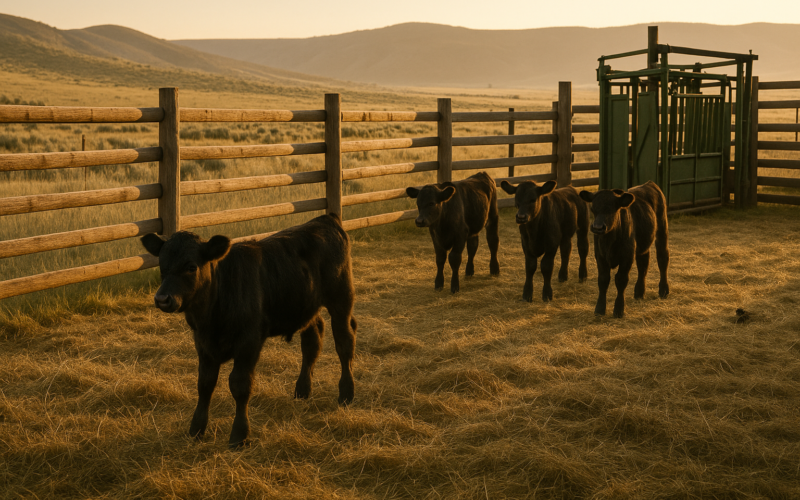
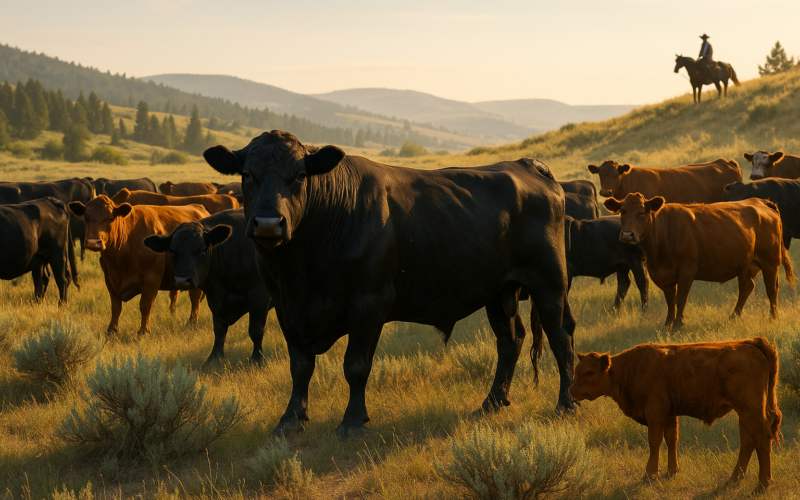
A patch glued over the eye does two useful things: it keeps flies off the sore eye and it shades the eye from sunlight, both of which take pressure off while it heals. It’ll fall off in a couple of weeks on its own. The hard part in Montana is roping and treating a calf out on a section of rough country without stringing the whole bunch out and stressing them worse. Sometimes it’s worth gathering a small pasture into a corral to doctor several at once rather than chasing singles all week.
Slow the spread before it starts
Fly control is the lever that moves the most. Insecticide ear tags put in at turnout, pour-ons, dust bags hung where cattle have to walk under them, and back rubbers all cut the face fly load if you keep after them. Tags wear out by late summer, so know when yours quit working.
Clipping or grazing down rank pasture where the seed heads are slapping calves in the face helps more than people give it credit for. So does keeping cattle off dusty, beat-up ground when you can. There are pinkeye vaccines, but the disease is caused by more than one organism and the strains vary, so a vaccine that works well on one outfit does little on the next. Talk it over with your vet before you count on it.
The other thing that pays is just looking. Ride through and actually watch faces, not just count head. A calf with one eye starting to weep today is a calf you can treat with a single shot. Give it a week and you’re patching a herd.