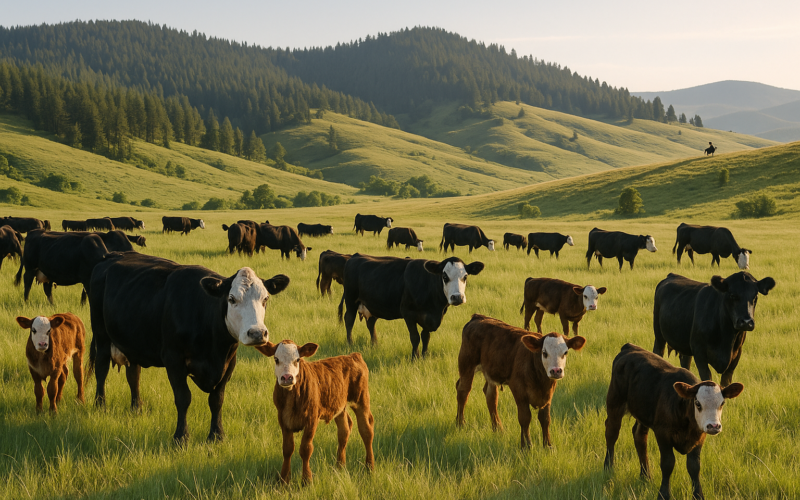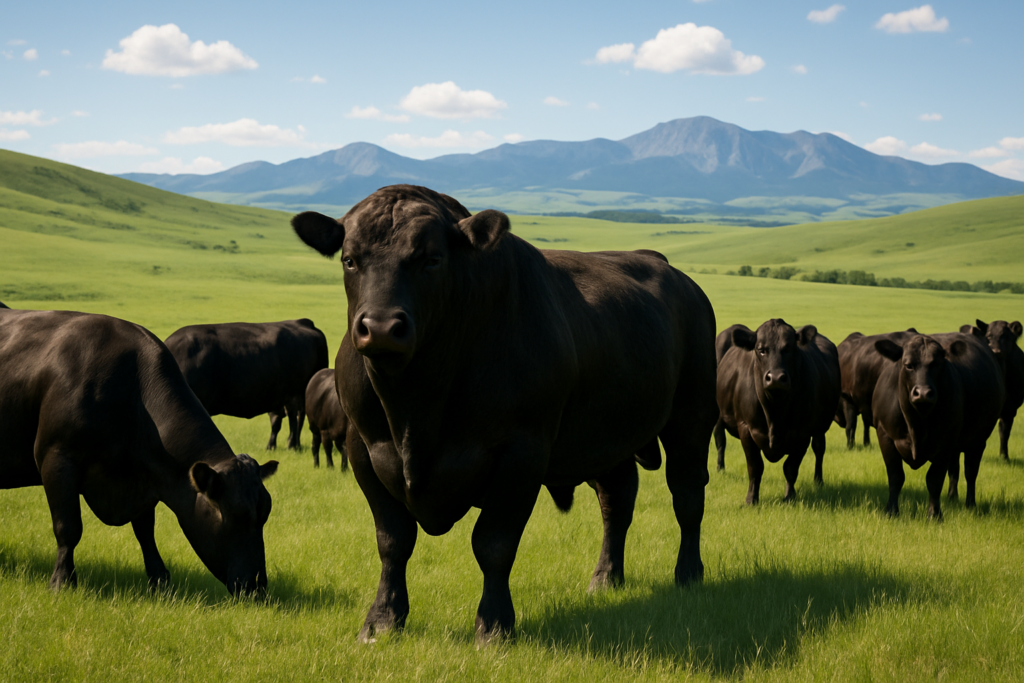
Most guys give the bulls a hard look in the spring. Semen test, feel the feet, check the sheath, make sure the two-year-olds are grown into themselves. Then the bulls go out with the cows and everybody quits thinking about them. That’s the mistake. A bull passes his test in May and can still fail you in July, and by the time you find out, the damage is already carried inside a cow.
Breeding season is when a bull earns his keep and when he’s most likely to break down. He’s covering country, fighting other bulls, riding cows on hard ground, and eating less than he needs the whole time. A lot can go wrong in six or eight weeks, and none of it announces itself. You don’t get a phone call when a bull goes sterile from a fever or comes up too sore to breed. You just get open cows.
The ways a bull quits
Injury is the big one. Bulls fight, especially when you run more than one in a pasture and the pecking order isn’t settled. A shoulder, a hip, a hurt back, a busted pizzle from a bad dismount \u2014 any of it can put a bull on the sideline. He’ll still walk out to water and look fine standing in the trees at noon. He just won’t breed. Feet fall apart in wet June ground the same way a cow’s do; a bull limping on a sore toe isn’t chasing anything.
Heat is the quiet one. A bull that runs a fever from foot rot, pinkeye, or any infection can go temporarily sterile for weeks after he looks recovered. Sperm takes about two months to make, so a sick spell in June shows up as a hole in the middle of your breeding season. Same thing with a bull that’s just plain worn thin \u2014 a young bull run too hard with too many cows loses condition fast, and a rib-showing bull loses interest.
Then there’s the bull that never really got started. A yearling turned out with mature cows sometimes gets run off by an older bull and never gets a chance until the herd bull tires out. If you’re counting on him and he’s standing off in a corner, your cows aren’t getting bred on schedule.
Ride through them, don’t just count them
The fix isn’t complicated, but it takes riding. Get out in the pasture during the first three weeks, when most of the cows should be cycling, and actually watch. You want to see bulls working \u2014 following cows, riding, tending. A bull standing by himself away from the herd for days is telling you something. So is one that’s stiff getting up or favoring a leg.
Watch for repeat heats, too. If you’re seeing the same cows come back into standing heat three weeks after you first noticed them bred, a bull is missing. Cows that keep cycling on the same three-week clock are cows that aren’t settling, and that’s your earliest warning that something’s wrong out there.
Have a spare. This is where a lot of outfits get caught. If you run one bull to a bunch and he goes down, you’ve got no backup and no time \u2014 a cow open one cycle is three weeks later calving, open two cycles is a cull decision. Keeping a sound bull in reserve, even an older one, is cheap insurance against a wreck you can’t undo. If you find a hurt bull, you want a replacement ready to go out that day, not a week of phone calls.
Don’t run them into the ground
A mature bull in good shape can cover a fair number of cows, but a young bull can’t, and no bull does his best work starving. If the pasture’s short and the bull’s dropping weight, he’s not going to keep up the pace through a whole breeding season. Watch his condition the same way you watch the cows’.
Bull-to-cow ratio matters most in big country. On rough forest allotments and scattered range, a bull can’t find cows he can’t get to, and one sore foot takes a bigger bite than it would in a tight little meadow. Spread out, you need more horsepower and more eyes on it.
The whole point of a short, controlled calving season is a tight breeding season, and a tight breeding season depends on bulls that work every day they’re out. Turnout day gets all the attention. The three weeks after it are where the calf crop actually gets made \u2014 or doesn’t.