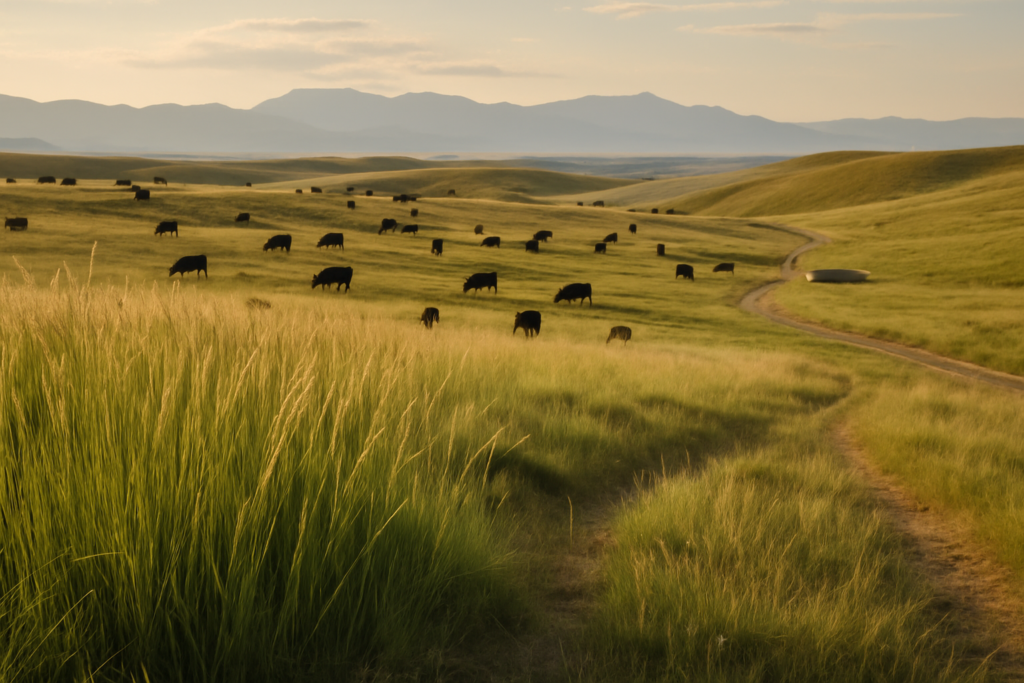
There’s a stretch in June, usually right after the last good rain, when the grass gets ahead of the cattle. Bluebunch and needlegrass shoot up, the crested wheat on the old seedings is boot-high before you know it, and it looks like you turned out onto more feed than you’ll ever use. That feeling doesn’t last. On most Montana range the cool-season grasses do the bulk of their growing in a narrow window, and once the soil dries and the days heat up, they cure standing and stop putting on much of anything.
The mistake is reading the June flush as the whole year’s feed. It isn’t. It’s an advance, and how you spend it decides whether the far pastures still carry cows in August or you’re feeding hay in September.
Why the grass gets ahead of you now
Cool-season perennials green up when soil temperatures come around in spring and they run hard until they hit their reproductive stage and the moisture runs out. A plant that’s growing fast is also the one photosynthesizing hardest, and the leaf area it keeps is what drives the next round of growth. Graze it to the dirt in June and you take the factory along with the product. The plant has to spend root reserves to push new leaf, and in a dry July it may not get the chance to rebuild them before dormancy.
Leave some leaf, and the opposite happens. The plant keeps working, roots stay deep, and the stand recovers faster if you get a rain. That’s the whole argument for not grazing anything flat this month, even when it looks like you have grass to burn.
Move before the pasture tells you to
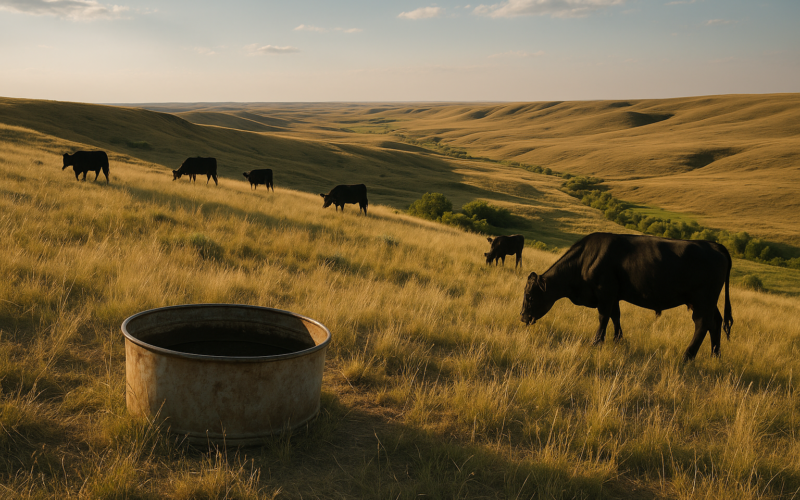
Cattle graze a pasture unevenly. They hammer the bottoms, the wet swales, and the country near water, and they’ll regraze the same tender regrowth over and over while a hillside a quarter mile off never sees a bite. By the time a pasture looks grazed down as you drive through the gate, the good spots have already been bitten three and four times and the plants there are the ones going backward.
The fix is to move sooner than feels necessary. If you’re running any kind of rotation, June is when the moves need to come quick, because the grass is growing quick. Give a pasture a short graze and pull off it while there’s still leaf standing, and it can regrow enough to graze again later in the summer or bank for fall. Sit on it until it’s grazed even, and you’ve taken the recovery out of it.
A rough target a lot of range managers use is taking about half the growth and leaving half. You don’t need a clipping and a scale to eyeball that. If the plants you’re leaving still have real leaf on them and can catch sunlight, you’re in the right country. If you’re looking at stubble and stems, you stayed too long.
Bank the grass you’ll want later
The pastures you graze last in the season are worth thinking about now. Grass that gets grazed hard in June and then bitten again in July has very little left to give in the fall. Grass that gets one measured graze early, or none at all, cures out standing and holds decent feed value into the cold months, especially if you get some fall moisture to green it partway back.
Deferring a pasture isn’t wasting it. Standing forage in September and October is the cheapest feed on the place compared to hauling hay to cows. The ranches that make it through a dry late summer without opening the stack early are usually the ones that left something standing back in June instead of chasing the flush all over the ranch.
Salt and mineral placement helps here too. Set it out on the ridges and the far corners the cattle skip, away from water and away from the swales they camp on, and you’ll pull them off the overgrazed bottoms and onto the country that’s going untouched. It’s a cheap way to even out the use without building fence.
None of this asks for a fancy grazing system. It asks you to look at what you’re leaving behind, not just what’s in front of the cows, and to move a little earlier than the grass makes you. The June flush is money in the bank. Spend it flat now and there’s nothing to draw on when the country dries up.