Peak runoff does its damage in a week and leaves the mess for you to find in July. The creek that ran bank-full over Memorial Day dropped a foot of gravel against your water gap, ripped out a couple of stays, and left a wire hanging slack across a channel that’s now three feet lower than it was. Cows don’t miss that. Turn a bunch of pairs onto summer range with a blown gap in the bottom fence, and within a few days you’ll have half of them a mile down the drainage on ground that isn’t yours.
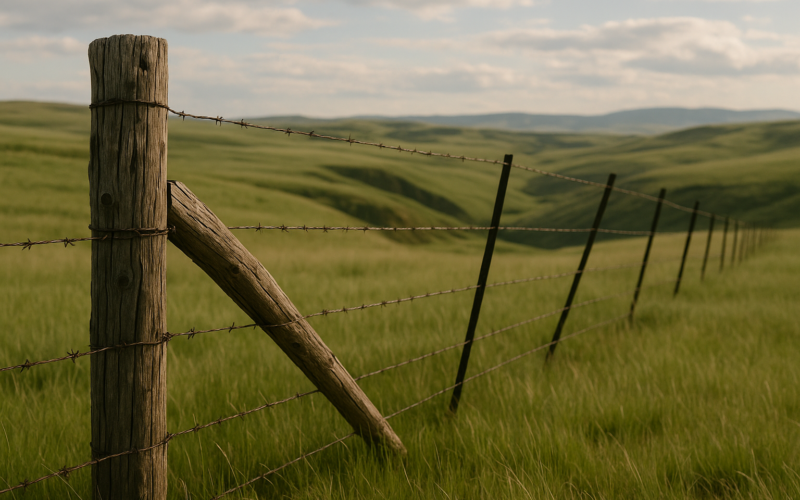
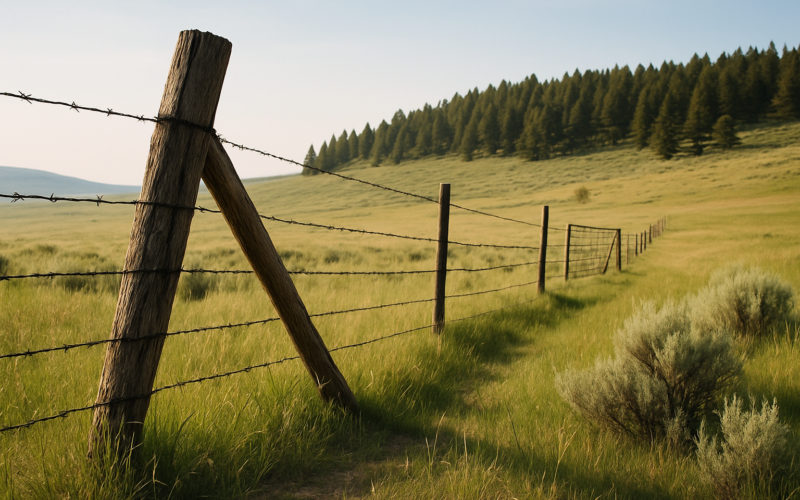
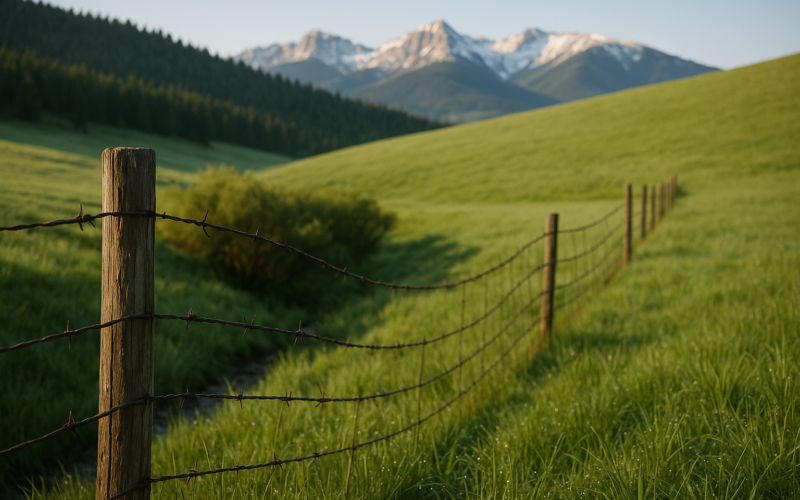
The fence you built to hold cattle in spring is not the fence you have in June. Frost heaved the corner posts up out of the ground over winter, the snowload leaned a stretch of let-down wire, and high water finished the job at every crossing. None of it shows from the pickup. You have to ride it.
Ride the bottom fence before the cows do
Walk or ride every water crossing on the pasture before you turn out, not the week after. The low spots are where the trouble stacks up, and they’re exactly where cattle drift when the days get hot and they want to stand in the creek. A gap that’s obvious to you on foot is invisible from the seat of a side-by-side going twenty.
Look for the quiet failures. A splice that’s holding but frayed. A brace post the water undercut so it wiggles when you push on it. Line wire buried under a foot of silt and gravel where the channel filled in, so what looks like solid fence is actually pinned to the ground and a cow steps right over it. Bring what you need with you the first pass instead of riding home for it: a fencing pliers, a roll of wire, a handful of clips, staples, and a couple of steel posts strapped behind the seat. Half the repairs take five minutes if you’ve got the tools on you and a full afternoon if you don’t.
Build the crossing to give, not to fight the water
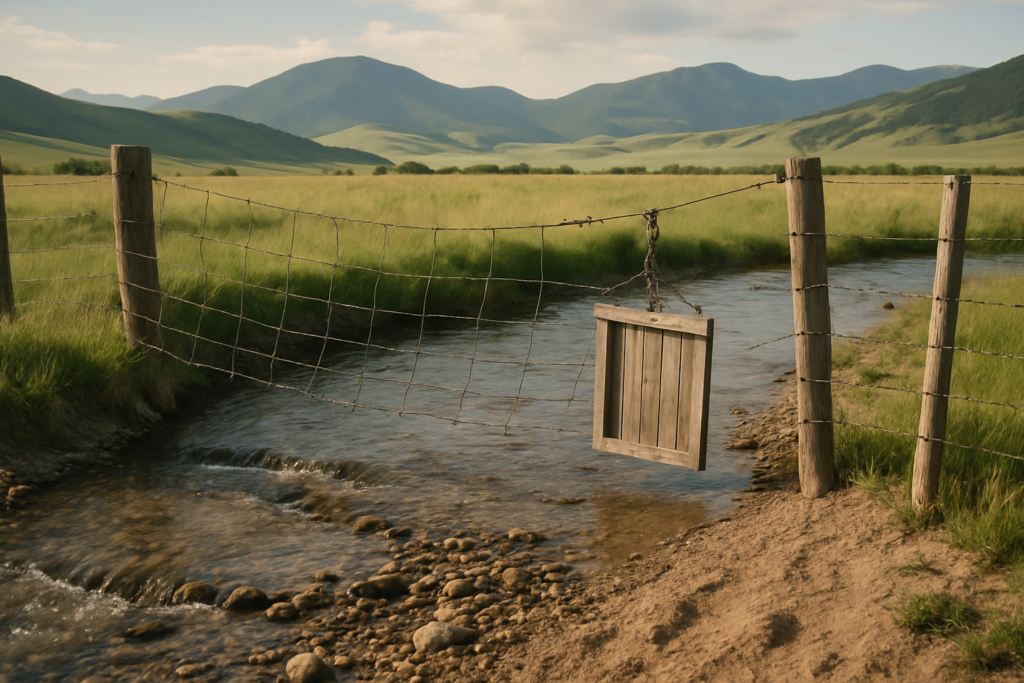
A water gap is going to wash out again. Build it knowing that. The old rigs work because they’re meant to fail on purpose and swing back into place. A floodgate hung from a cable or a pole across the top, weighted at the bottom with hanging panels or loose wire, lets high water push the whole thing up and out of the way instead of tearing your permanent fence apart. When the creek drops, it settles back down and turns cattle again.
What doesn’t work is a tight, rigid gap strung the same as the rest of the line. The first log or ice shelf that comes down takes it out and pulls your good posts with it. Keep the anchor posts back from the cut bank, up out of the channel where the water can’t get under them. Set them deep. On a bad crossing, a well-braced H on solid ground either side, with a hanging gap in the middle, will outlast three seasons of runoff. A single post jammed into gravel at the edge of the water lasts until the next high water.
Water in the fence line, not just at the gap
Fence isn’t the only thing runoff moves. Check that the pipeline crossings and the culverts under your two-tracks didn’t blow out and leave a gully your cattle will follow right out of the pasture. A spring that ran quiet all winter can cut a new channel across a fence line in a wet June and hand cattle a dry route around a gap you already fixed.
The math is simple enough. It takes an afternoon to ride the bottom fence and patch what runoff pulled apart. It takes three days and a lot of good will to gather pairs off the neighbor’s place after they’ve scattered, and longer than that if they crossed onto ground where the calves got mismothered pushing them back. Do the walking now, while the creek’s dropping and the cows are still on the home place, and you spend the rest of the summer moving salt instead of chasing strays.