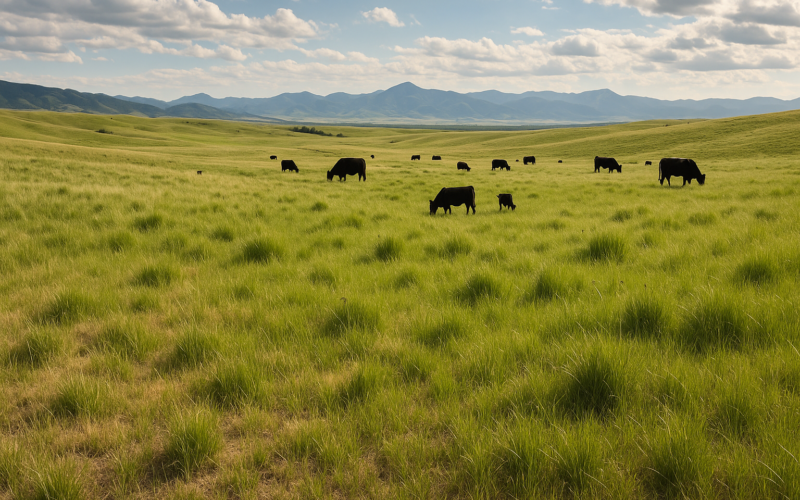
Turn a bunch of pairs into a section of rough summer country and watch where they end up by the second week. The creek bottom is grazed to the dirt, the willows are hammered, and the bench a half mile up the slope still has grass standing belly-high. Nobody made them do it. Cattle are lazy the same way water is lazy — they take the flattest, wettest, easiest line and stay there until you give them a reason to move.
That uneven use costs you twice. The bottoms get overgrazed and start growing weeds and bare ground, and the good feed up top goes to waste because the season runs out before the cows ever climb up to eat it. You paid for the whole pasture. You’re only using a third of it.
Salt is the cheapest herder you’ll ever hire
Cattle will travel for salt and mineral, and they’ll do it on their own schedule without anybody horseback pushing them. That makes the salt ground the single best lever you have for spreading grazing across a big pasture. The trick is simple and most people get it backwards: don’t set the salt where the cattle already are.
Putting salt down by the water or in the shade of the bottom just anchors them harder to the ground they’re already beating up. Set it instead on the ridges, the benches, and the ungrazed draws you want them to use — a quarter to a half mile back from water, up on the higher, drier ground. The cattle will walk out to it, graze while they’re up there, and drift back to water. You’ve turned salt into a reason to use country they’d otherwise ignore.
Move it, too. Once the grass around a salt ground gets grazed down, drag the tubs or the block another few hundred yards onto fresh feed. It takes ten minutes and a pickup. Cattle find the new spot within a day.
Water dictates the map
Cattle rarely graze much past a mile from water on rough country, and a lot less than that when it’s hot or the ground is steep. If your only water is one spring in the bottom of the pasture, no amount of salt placement is going to pull cows up onto a ridge two miles off. They’ll trail out, take a bite or two, and come right back to drink.
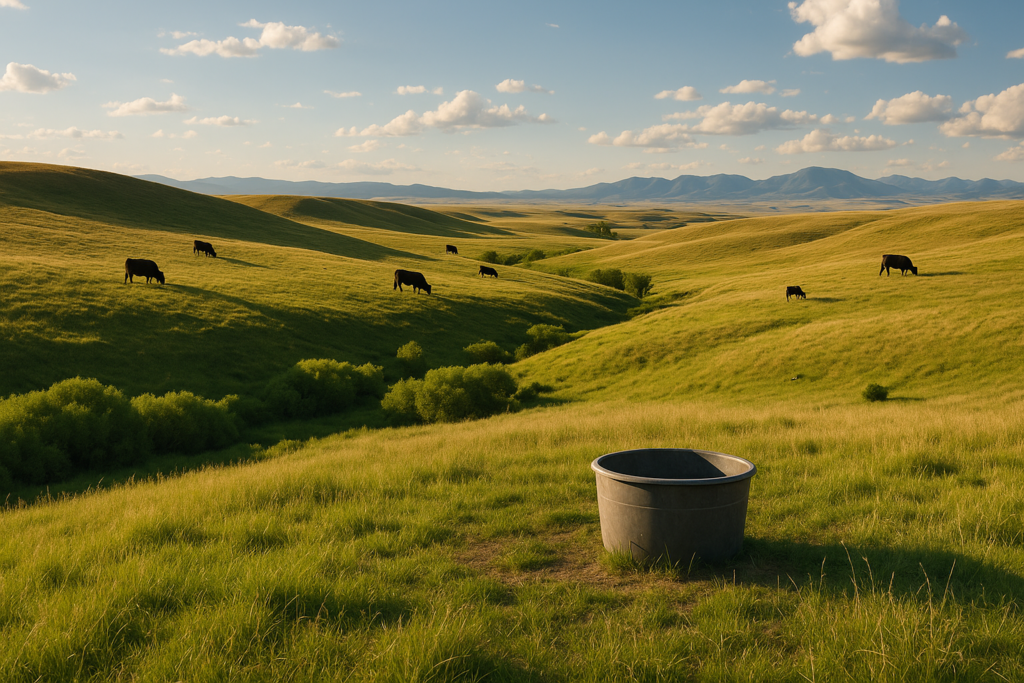
That’s where a little developed water changes everything. A stock tank on a pipeline, a solar pump filling a trough on a bench, even a temporary poly tank hauled to a dry corner — each new water point opens up a new circle of grazable country. Pair a water source with a salt ground set back from it and you’ve built a whole use area where there was none. On a lot of Montana summer range, the difference between grazing half a pasture and grazing all of it comes down to one more reliable water point in the right spot.
Where you can’t develop water, you fence. A single hot wire fencing cattle off a hammered creek bottom, run temporarily, forces them to use the drier ground and lets the riparian recover. It’s the same tool, aimed at the other end of the problem.
Ride the country and read what they’re telling you
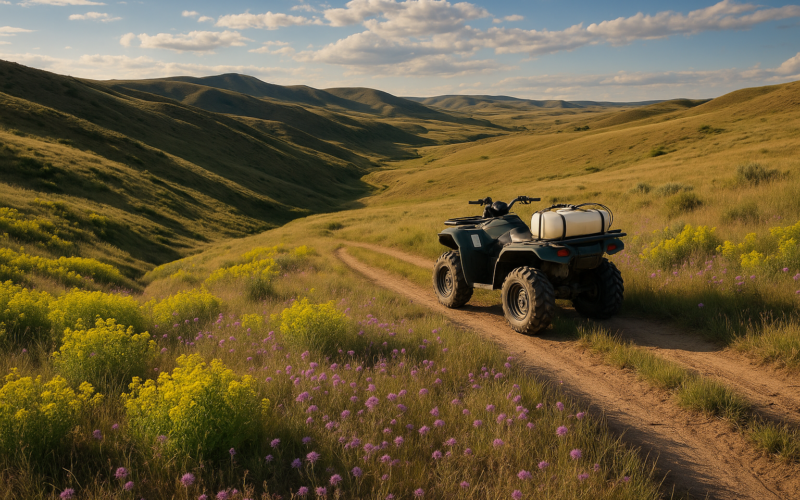
You can’t manage a pasture you don’t look at. Get horseback or on the four-wheeler every week or two and actually ride the whole thing, not just the trail to the water gap. Look at where the grass is grazed short and where it’s standing untouched. Look at the trails — cattle wear paths to the places they use, and the country with no trails is the country nobody’s touching.
If they’ve slicked off the bottom and left the top, gather what you can and drift them up. Cattle that have never been up on a piece of ground don’t know it’s there. Push a bunch onto a good bench once, salt them up there, and a fair number will stay and teach the rest. Some outfits low-stress-herd their cattle onto fresh country every few days and never build a fence — it takes time in the saddle, but it works, and it’s free.
None of this is complicated. It’s salt in the right place, water where you can get it, and enough riding to know what’s actually happening out there. Do it and you’ll carry the same cows on less ground, keep the creek bottoms from turning to weeds, and still have standing feed in September when your neighbor who salted by the water ran out in August.