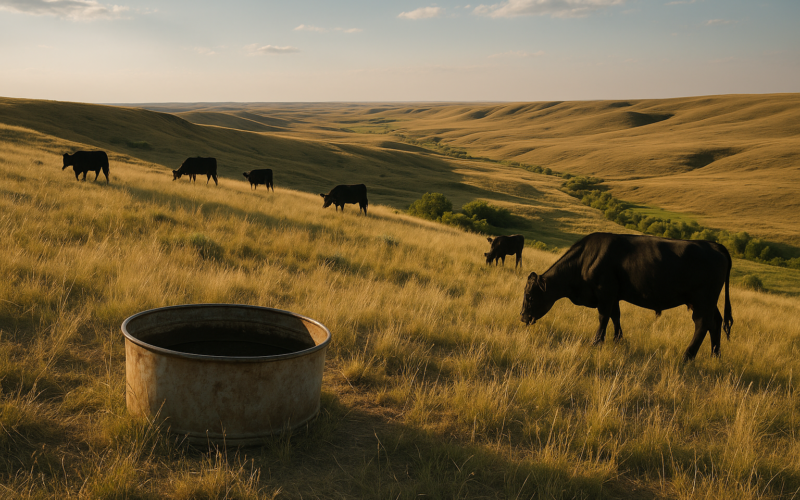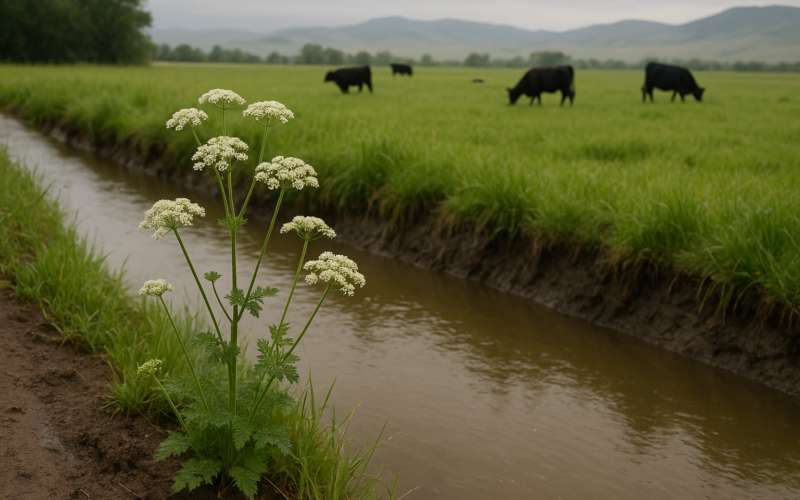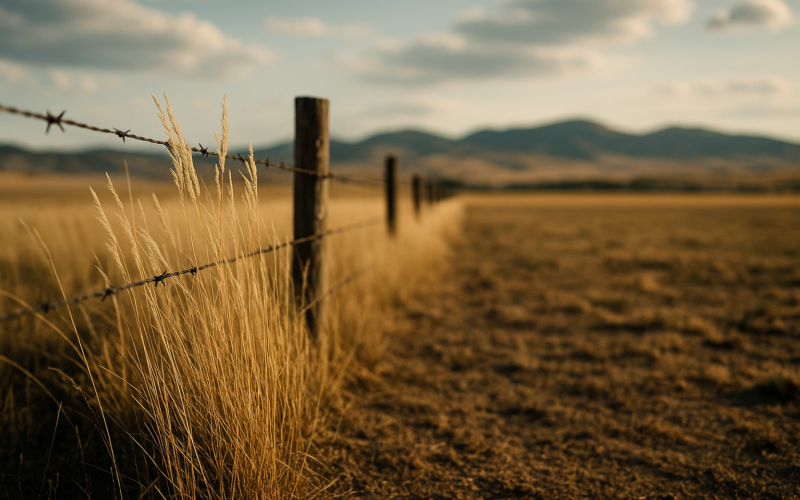
By the middle of June the cool-season grass on most Montana range is growing faster than the cows can bite it off. Bluebunch, needle-and-thread, the brome in the old go-back fields, the meadow bottoms — all of it puts on more feed in three weeks than a herd will touch. Turn a set of pairs loose on a whole section and they do what cattle always do: hammer the creek bottoms and the gentle swales, ignore the ridges, and leave two-thirds of the growth to head out and cure into stems nobody wants by August.
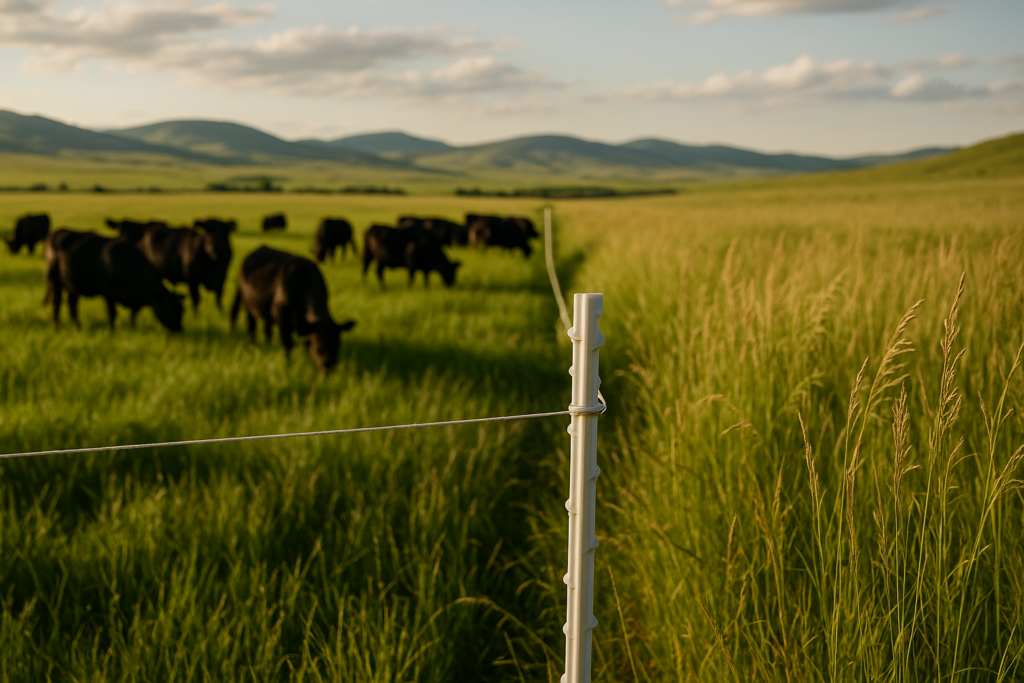
You can’t fix that by yelling at the cows. But you can fix it with a reel of poly wire and an afternoon.
Why June is the pasture you can’t afford to waste
Cool-season grass has one big growth window, and this is it. Once the plant heads out and sets seed, it quits pushing new leaf and starts hauling energy down into the roots. Protein and digestibility fall off a cliff. The grass a cow ignores in June doesn’t wait around green — it turns coarse and stemmy, and by the time she’s willing to eat it, it feeds more like standing straw than pasture.
The trick isn’t growing more grass. It’s getting the cattle to eat what’s already there while it’s still worth eating, and giving the plants they already grazed a chance to recover before frost. That’s the whole idea behind splitting a big pasture into smaller chunks and moving through them. You don’t need a fancy grazing plan or a consultant. You need to keep cattle from picking the same tender plant over and over while the rest goes to waste.
The cheap kit that does the work
Temporary electric is about the lowest-cost improvement you can put on a ranch. A geared reel, a spool of poly wire, a bundle of step-in posts, and a solar or battery energizer will subdivide a big pasture for the price of a good pair of boots. On flat-to-rolling country a single hot wire at about nose height holds pairs fine once they’ve been trained to it, and most cattle that have met a hot fence before respect a new one inside a day.
A few things that save headaches:
- Run your temporary wire off a permanent hot fence or a decent energizer. A dead wire trains cows the wrong way in a hurry, and a bull that learns the wire won’t bite will walk through it the rest of the summer.
- Set the reel where you can pull the whole strand up and drive across it. Nobody moves fence they have to fight.
- Cross-graze so cattle always have to walk past water and salt to reach fresh feed. Put the salt and mineral out on the high ground you want used, not down by the creek where they already loaf.
- Give yourself a back fence when you can. If cattle can drift back onto grass they grazed last week, the new growth never gets a rest.
Water is what usually decides how small you can cut the country. If you’ve got one tank or one dam, you’re fencing around access to it, not away from it. A length of poly pipe off a spring or a portable tank on a stock trailer opens up a lot more options, but even without that you can carve a big pasture in half and cut your problem down considerably.
Move on the grass, not the calendar
There’s no magic number of days. On a fast-growing June pasture you might pull cattle off a paddock in three or four days and not come back for a month or more. Watch the plants, not the clock. The old take-half-leave-half habit still applies inside every subdivision — when the cows have grazed a paddock down to about half the height it started at, it’s time to move, whether that’s day three or day six.
The payoff shows up later in the summer. The paddocks you grazed early and rested come back with green regrowth right about the time the ungrazed range has cured off brown. That standing regrowth is feed you didn’t have to bale, sitting where the cattle already are. In a dry year it can be the difference between weaning on grass and hauling hay in August.
None of this asks for new steel or a bulldozer. It asks for a reel, some posts, and the discipline to move the wire before the grass gets away from you. String the first stretch this week, while the country is still growing hard, and you’ll be watering that decision back all summer.