Most guys treat turnout like the finish line. You semen-check the bulls in the spring, haul them out to grass, kick the gate shut, and go put up hay. The bull’s a machine now — you’ll see him again when you gather in the fall. That’s how you end up with a wreck you don’t find out about until the vet’s arm is in a cow in September and half the front end is empty.
A breeding soundness exam tells you a bull was fertile the morning you tested him. It doesn’t tell you he’ll stay sound through sixty days of chasing cows across a section of broken country. Bulls get hurt. They get sore-footed on rock. They fight and come up lame. A sheath gets bruised or a penis gets injured on a bad ride and he quits breeding without quitting the cows. He’ll still follow a hot cow around, still bawl and paw — he just isn’t getting the job done. From the truck he looks like he’s working. He isn’t.
Ride through and actually watch him
The only way to know is to go find your bulls during the breeding season and sit long enough to see something happen. Early morning or evening, when cattle are up and moving, is when you’ll catch a cow in standing heat. Watch how the bull handles her. A working bull tends her, mounts, and settles. Note whether he’s putting weight square on both hind feet and whether the extension looks normal. A bull that mounts and slides off, or rides and rides without breeding, is telling you something.
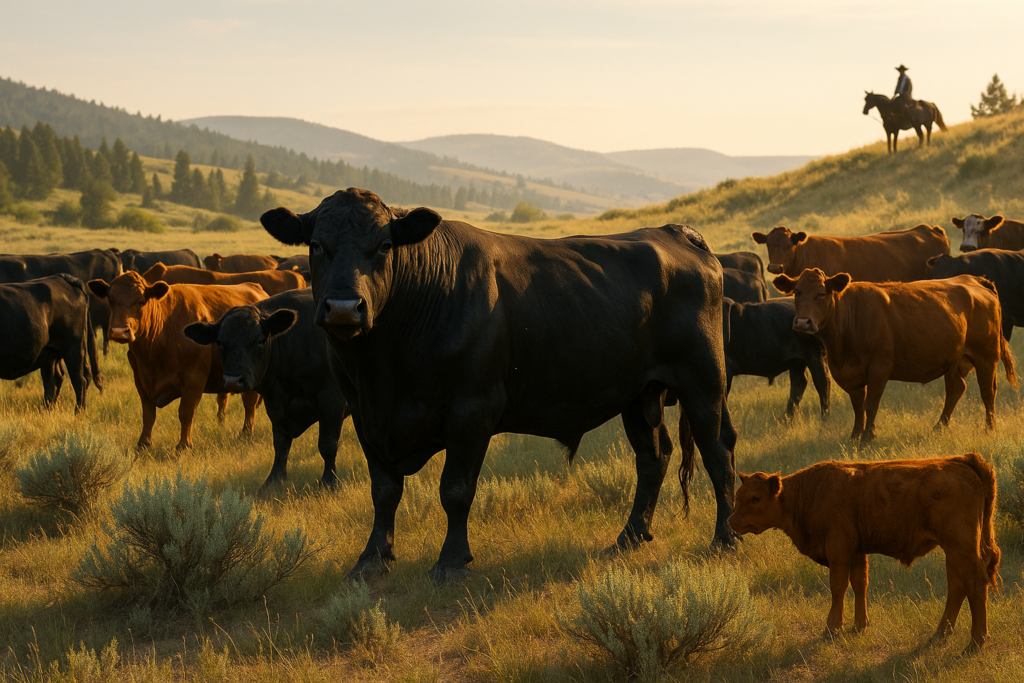
While you’re out there, count. If you turned out two or three bulls on a bunch, are they spread through the cows or is one of them standing off by himself in the shade, sulled up and hanging back? A subordinate bull that’s been whipped by the boss can go the whole season without covering a cow, and you paid for him same as the one doing the work. Bunch pastures with more than one bull are where a lazy or beat-up bull hides best.
Look at feet and legs every time you see them. Foot rot flares in the wet corners this time of year, and a bull nursing a swollen claw isn’t traveling to the far end of the pasture to find the cows that drifted up on the high ground. He’ll breed what walks to water and leave the rest open. A limping bull two weeks into the season is worth catching and doctoring right now, not writing off in the fall.
The cows will tell you before the bull does
Here’s the tell most people miss. A cow cycles about every three weeks. If your bulls are settling cows, the heat activity ought to drop off hard after the first cycle — by the middle of the second three weeks you shouldn’t be seeing much standing action. If you ride through in July and you’re still watching cow after cow stand to be ridden, the same cows are coming back around because nobody bred them the first time. Repeat heat, three weeks after turnout, is the alarm bell. A bull that failed in week one leaves a pasture full of cows all cycling again right on schedule.
That’s a pattern you can read from horseback without a vet, without a chute, without spending a dime. It just takes being out there at the right time of day with your eyes open. If you turn out on a defined date and mark it on the calendar, you’ll know exactly when to expect that second-cycle window and what it’s supposed to look like.
Catch it then and you still have room to fix it. There’s time to pull a bad bull and turn in a spare, or shift a bull off a bunch that’s already covered onto one that isn’t. Catch it in the fall and there’s nothing to do but sort off the opens and eat the loss — a whole set of late or empty cows, and a calving season next spring that strings out for months because the ones that finally did get bred caught on the third and fourth cycle.
Keep a spare and keep it handy
One bull is one injury away from a hole in your calf crop. On a small outfit that runs a single bull, a sound backup in a nearby trap is cheap insurance. On bigger country, knowing which bull you can move and where is worth thinking about before you need to. A bull down in the second week of June still leaves most of a breeding season to salvage. The same bull down and undiscovered until fall preg-check leaves you nothing but a decision about which cows to haul.
The exam in the spring gets him to the pasture ready to work. Riding through in June and July is how you find out whether he’s still doing it.