Audubon Conservation Ranching is expanding into Minnesota, bringing a new conservation-focused approach to the state’s ranching and grassland management. The National Audubon Society says the program will partner with local ranchers to improve habitat, strengthen biodiversity, and support sustainable land stewardship—while also giving participating producers a certification label shoppers can recognize.
Key Takeaways
- Audubon’s Conservation Ranching Program is expanding into Minnesota.
- The initiative partners with ranchers to improve grassland habitat, soil health, and water conservation.
- Participating ranchers can certify products under the “Grazed on Audubon Certified Bird Friendly Land” label.
- The program is designed to help address declines in grassland bird species.
- The expansion reflects rising consumer interest in sustainably sourced products.
What’s Happening in Minnesota
The National Audubon Society has announced the expansion of its Conservation Ranching Program into Minnesota, adding a new dimension to the state’s agricultural landscape. The program works with ranchers to improve grassland habitats and is intended to deliver biodiversity benefits on working ranch lands.
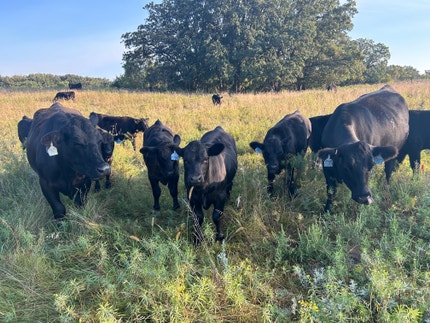
By encouraging practices that enhance soil health, water conservation, and wildlife habitat, Audubon aims to support a more sustainable and ecologically friendly approach to ranching.
In Minnesota, the program will collaborate with local ranchers to certify their products under the “Grazed on Audubon Certified Bird Friendly Land” label. For consumers, the label is positioned as a signal that their purchase supports ecological outcomes; for ranchers, it’s a pathway to demonstrate conservation-forward management.
Why It Matters
This expansion matters on multiple levels. It aligns with growing consumer demand for sustainably sourced products as environmental awareness increases. Audubon’s model is designed to help ranchers meet that demand while maintaining economic viability.
It also targets one of North America’s most vulnerable wildlife groups: grassland birds. By fostering habitat conditions that support these species, the program is intended to contribute to reversing broader declines in wildlife that have raised concern among conservation groups.
The Bigger Picture: Conservation and Ranching Together
Audubon Conservation Ranching fits into a broader shift toward integrating conservation efforts into agricultural practices. Ranching and conservation have often been treated as opposing forces, but initiatives like this highlight the potential for working lands to support both production and environmental stewardship.
The program has roots in the Great Plains, where it has been successful in enhancing over two million acres of grazing land. Expanding into Minnesota taps into the state’s agricultural tradition and could offer a model for other regions seeking to pair ranching with grassland conservation.
What to Watch For Next
As the program rolls out in Minnesota, stakeholders will be watching for impacts on both the local economy and the environment. Key measures to follow include changes in grassland bird populations, shifts in soil and water quality, and the economic benefits for participating ranchers.
Longer-term, the big question is whether the program can maintain momentum and scale—potentially serving as a blueprint for sustainable ranching practices in other parts of the United States.
Related Reading
- Grassland birds: why habitat matters and what’s driving declines
- Habitat restoration on working lands: what success can look like
- Sustainable agriculture explained: soil health, water, and biodiversity
- Land management 101: how stewardship practices shape wildlife outcomes
- How to shop and cook more sustainably sourced proteins
- More Minnesota outdoors and environment news
- Working-lands conservation: how agriculture and wildlife goals can overlap
- Bird conservation explained: what programs measure and why it matters
This coverage is based on information from the National Audubon Society.
Frequently Asked Questions
What is Audubon Conservation Ranching?
Audubon Conservation Ranching is a program that promotes sustainable land management practices intended to enhance biodiversity on ranch lands, including improvements to grassland habitat.
Why is Audubon expanding the program into Minnesota?
Audubon is expanding into Minnesota to promote sustainable ranching practices and improve biodiversity in the state’s grasslands.
How does the program work with ranchers?
The program partners with ranchers to encourage practices that improve grassland habitat, soil health, and water conservation, and it offers a certification pathway for participating operations.
What does the “Grazed on Audubon Certified Bird Friendly Land” label mean for shoppers?
The label is positioned as a signal that a purchase supports ecological outcomes tied to bird-friendly grassland management.
How does Audubon’s program benefit ranchers?
It offers ranchers certification for sustainable practices, which can help increase marketability and build consumer trust in their products.
What impact does the program have on wildlife?
The program supports habitat for grassland bird species and other wildlife, with the goal of helping reverse declines in these populations.
What outcomes will observers be watching as the program expands?
Stakeholders will be watching for improvements in grassland bird populations, changes in soil and water quality, and economic benefits for participating ranchers.
How does this fit into the broader sustainable agriculture trend?
The expansion reflects a broader push to integrate conservation and agricultural productivity, showing how working lands can contribute to environmental stewardship alongside ranching.
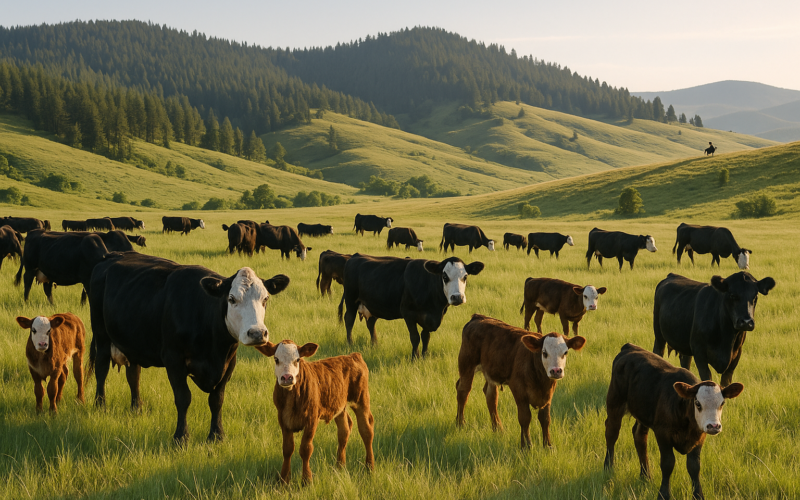
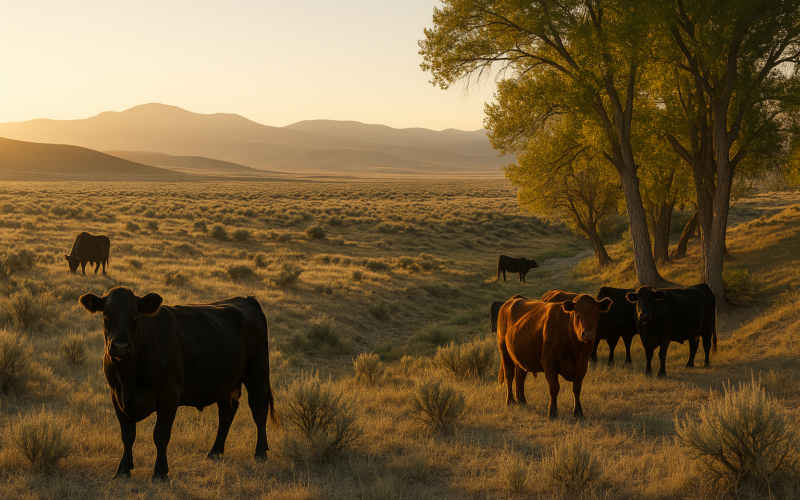
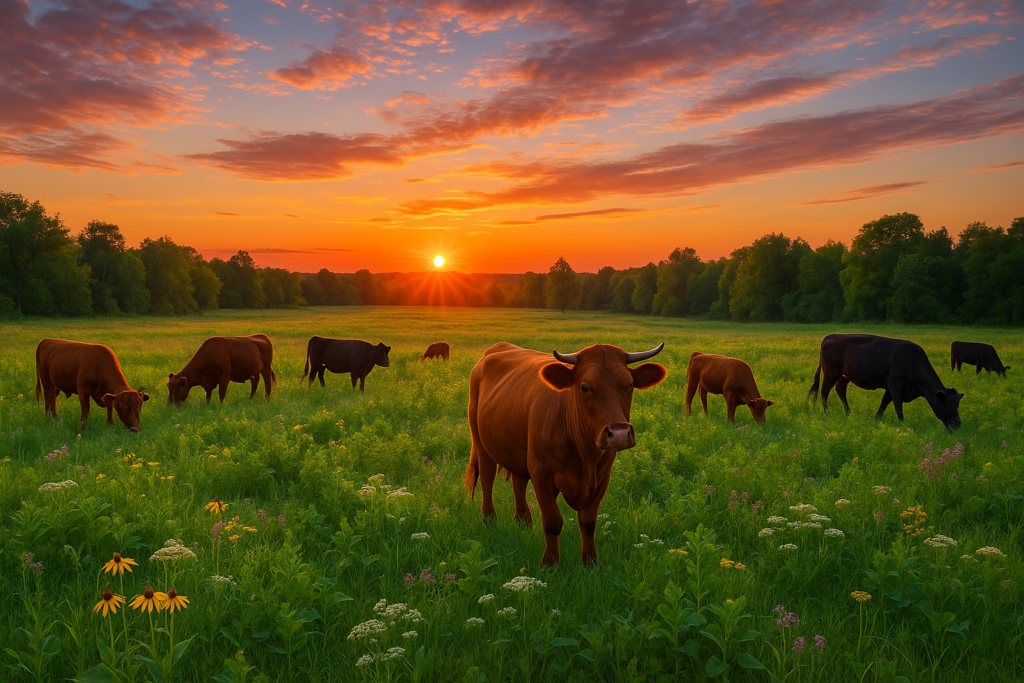
Cattle grazing on conservation-focused ranch land in Minnesota.