In a landmark move for conservation in California, a Bay Area land trust has purchased thousands of acres of former ranch land. The acquisition marks a significant stride in efforts to preserve open spaces and natural habitats amid growing urban expansion pressures.
Key Takeaways
- The Peninsula Open Space Trust (POST) acquired over 6,300 acres of former ranch land in the South Bay.
- The purchase includes multiple parcels previously used for cattle grazing and agriculture.
- The land sits within a protected corridor connecting the Santa Cruz Mountains to the Diablo Range.
- POST says management goals include enhancing biodiversity and protecting water resources, with potential for new wildlife habitat.
- Future plans may include public access trails, native plant restoration, and sustainable grazing practices.
What’s Happening
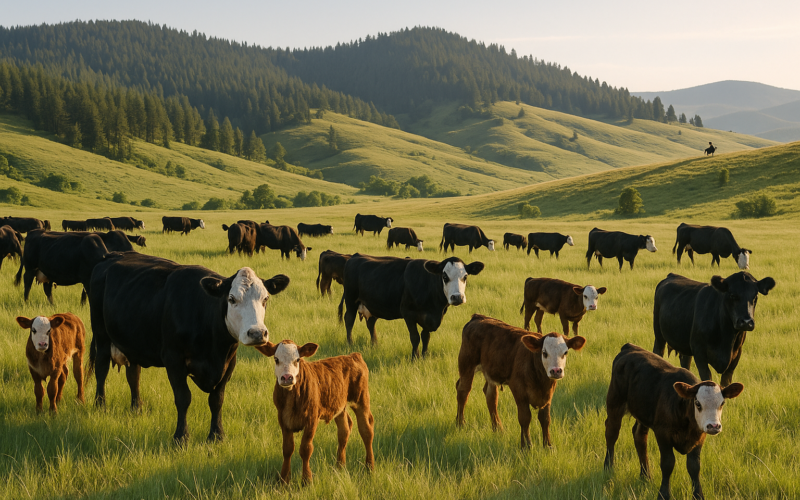
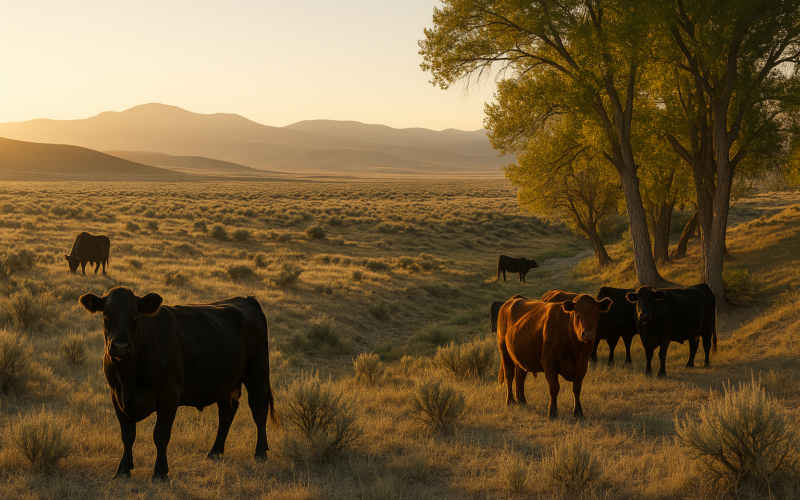
The Peninsula Open Space Trust (POST), a leading conservation organization in the Bay Area, has successfully acquired over 6,300 acres of former ranch land in the South Bay. The acquisition includes several parcels that were previously used for cattle grazing and agriculture. POST’s purchase is part of its ongoing mission to protect the region’s natural landscapes from urban development.
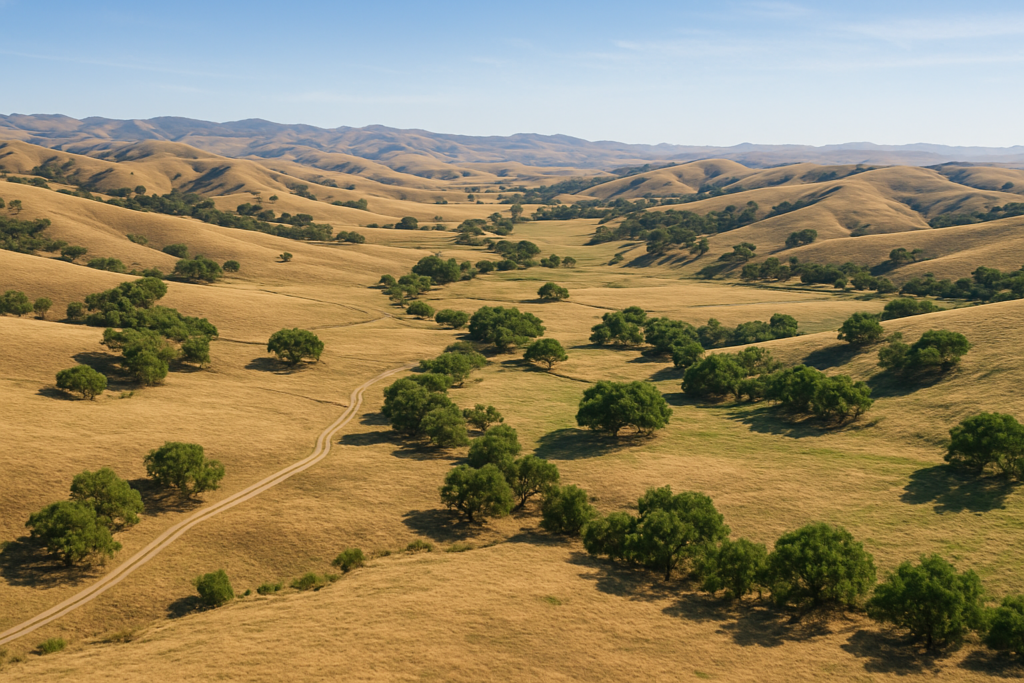
This purchase is strategically significant as it lies within a corridor of protected lands that connect the Santa Cruz Mountains to the Diablo Range. POST says it plans to manage these lands in ways that benefit local ecosystems and provide recreational opportunities for the public.
POST has indicated this land will be used to further enhance biodiversity, protect water resources, and potentially host new wildlife habitats.
Why It Matters
The acquisition of such a substantial tract of land by a conservation group like POST underscores the increasing importance of land trusts in safeguarding natural resources. In regions like the Bay Area—where urban sprawl can threaten rural and undeveloped lands—these initiatives are crucial. They help maintain biodiversity, support clean water resources, and offer green spaces that are vital for community health and well-being.
Moreover, this purchase aligns with broader environmental goals, including California’s commitment to conserving 30% of its land and coastal waters by 2030. By securing these lands, POST is contributing directly to statewide conservation targets, while also offering a model for similar efforts.
The Bigger Picture
Land trusts have long been a cornerstone of conservation efforts across the United States. These nonprofit organizations acquire land through purchase or donation, ensuring it remains protected from development. In the case of POST—which has protected over 80,000 acres since its inception in 1977—the work is especially critical in areas facing high development pressure.
Historically, the ranch lands in question have been part of California’s agricultural legacy. As the state has urbanized, however, these lands have increasingly been targeted for residential and commercial development. Land trusts serve as a bulwark against those changes, preserving open spaces for future generations.
What to Watch For
Looking forward, it will be important to track how POST manages these newly acquired lands. Potential developments could include:
- Introducing public access trails
- Restoring native plant communities
- Implementing sustainable grazing practices that support both agriculture and ecology
This acquisition could also inspire other conservation groups to pursue similar purchases, strengthening a network of protected areas across California. Stakeholders and the public will be watching how local governmental policies evolve as conservation needs grow alongside urban development.
As POST continues to secure land, community support and funding availability may play an outsized role in sustaining long-term conservation goals.
Related Reading
- California’s 30×30 conservation goal: what it means and how it works
- What is a land trust—and how do land purchases protect open space?
- Wildlife corridors explained: why connected habitat is crucial
- Bay Area trail etiquette: how to recreate responsibly on shared lands
- Watershed protection basics: how land conservation supports clean water
- Sustainable grazing and conservation: how they can work together
- How urban expansion pressures open space—and what conservation can do
- How land trusts buy land: purchases, donations, and long-term stewardship
Information sourced from SFGATE.
Frequently Asked Questions
What is the Peninsula Open Space Trust (POST)?
The Peninsula Open Space Trust (POST) is a land trust focused on conserving open spaces, farms, and parklands in the Bay Area.
How much land did POST acquire in this purchase?
POST acquired over 6,300 acres of former ranch land in the South Bay.
What was the land previously used for?
The acquisition includes parcels that were previously used for cattle grazing and agriculture.
Why is the location of the acquisition significant?
POST says the land lies within a corridor of protected lands connecting the Santa Cruz Mountains to the Diablo Range, helping link larger natural landscapes.
What does POST say it plans to do with the land?
POST has indicated management goals include enhancing biodiversity, protecting water resources, and potentially hosting new wildlife habitat.
Will the public be able to access the land?
POST says the land may offer recreational opportunities for the public, and future plans may include public access trails. Specific timing and details were not provided in the text.
How much land has POST protected overall?
Since its founding, POST has protected over 80,000 acres of land in the Bay Area.
How does this purchase connect to California’s 30×30 goal?
The acquisition aligns with California’s commitment to conserve 30% of its land and coastal waters by 2030, contributing directly to statewide conservation targets.
Source: SFGATE