Montana grain country is heading into spring with a familiar problem: winter wheat prices that can’t seem to settle down for long. Reports indicate the market is being tugged in multiple directions—weather risks, uncertainty around planted acres, and broader commodity and currency moves that can change the tone in a hurry.
For Montana producers, that volatility isn’t just a number on a futures screen. It can influence when to move old-crop grain, how aggressively to forward price new crop, and how much financial risk to carry into planting and early season fieldwork. It also matters to cattle outfits buying grain, grazing wheat, or weighing whether to keep more acres in forage.
What Happened
Winter wheat markets have stayed jumpy as traders and end users react to shifting signals:
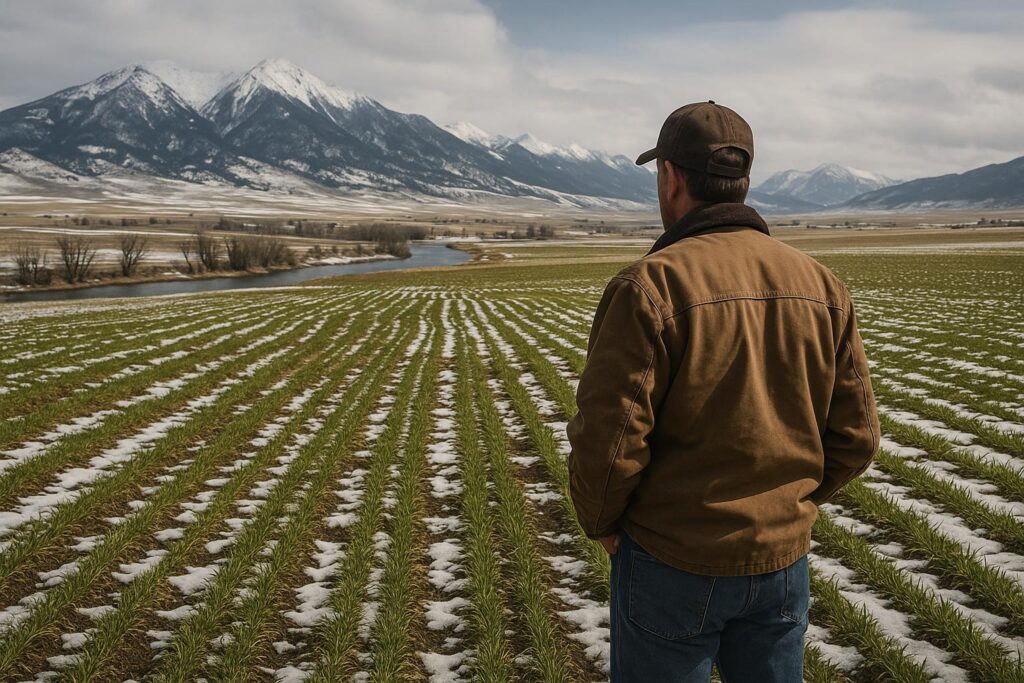
- Weather remains a wild card. Winter survival, spring green-up, and moisture outlooks can change quickly across the Plains and Northern Rockies. A dry forecast can lift prices; a wetter shift can cool them off.
- Acreage questions persist. The market is trying to estimate how many acres will actually be harvested for grain versus grazed out, abandoned, or switched due to moisture and economics.
- Global competition and demand keep moving. Export business, Black Sea supply expectations, and currency swings can push U.S. wheat values around even if local Montana conditions don’t change much in a given week.
- Fund and technical trading adds fuel. When markets are thin or headlines hit, algorithmic and speculative money can exaggerate daily moves.
None of that guarantees higher or lower prices. It does mean Montana growers should expect sharper day-to-day moves than what feels “normal,” especially during spring when crop condition headlines and moisture maps start driving conversation.
Why It Matters in Montana
Montana is a major wheat state, and winter wheat plays a key role in rotations from the Hi-Line to the Yellowstone Valley. When prices swing, the consequences show up fast:
- Marketing risk increases. Big price moves can reward disciplined sellers—but they can also punish anyone forced to sell on a down day to meet cash needs.
- Input decisions get harder. Nitrogen topdress timing, fungicide plans, and even whether to push yield depend partly on whether the price outlook justifies the spend.
- Crop insurance and cash flow planning matter more. Volatility can widen basis and change how elevators bid. It can also affect the confidence to pre-buy inputs or lock in land costs.
- Livestock operations feel it too. Wheat price direction can influence feed costs, the economics of grazing wheat, and competition for acres between grain and hay.
Montana’s regional differences make this even more complicated. A wet pocket in the Flathead Valley doesn’t help a dryland wheat field on the Hi-Line. And a strong stand in the Gallatin Valley doesn’t guarantee the same in the Bitterroot Valley, where microclimates and irrigation access can change the story.
Regional Notes: Where Volatility Meets Local Reality
Here’s how the spring setup can look different depending on where you farm or ranch:
- Hi-Line: Winter wheat success often hinges on snow cover and spring moisture. If subsoil is short and winds stay up, stand ratings can slide fast—something the market watches closely. If moisture improves, price rallies tied to drought fear can fade just as quickly.
- Yellowstone Valley: Irrigated ground can buffer yield risk, but irrigation water outlook and pumping costs still matter. Volatile wheat prices can change whether growers lean into wheat versus other crops, and whether cattle feeders pencil out more grain.
- Gallatin Valley: More diversified operations and proximity to feed demand can shift local basis and cash bids. Volatility can create short windows to price grain or lock feed, especially for mixed crop-livestock outfits.
- Bitterroot Valley: Smaller acreage and more mixed ag means wheat may compete with hay and pasture decisions. If wheat values spike, it can pull attention toward grain acres; if they soften, forage looks better.
- Flathead Valley: Moisture patterns and disease pressure can be a bigger factor. If spring turns wet, fungicide decisions can become a major cost/benefit question—made tougher by a market that won’t sit still.
Practical Marketing Considerations (Not Advice)
Every operation has different risk tolerance, storage capacity, and cash needs. Still, in volatile wheat markets, Montana producers often focus on a few basics:
- Know your break-even. Update costs with real fertilizer, chemical, fuel, and interest numbers—not last year’s estimates.
- Watch basis locally. Futures may rally while local cash bids lag—or the opposite. Basis can move on freight, local supply, and elevator needs. For background, USDA’s market resources are a starting point: USDA AMS Market News.
- Use incremental sales if it fits your operation. Some growers manage volatility by pricing smaller portions on strength rather than trying to hit the top.
- Be cautious with promises you can’t deliver. Weather risk is real. Forward pricing can reduce risk, but it can also create delivery obligations if production falls short.
- Separate old-crop and new-crop decisions. Grain in the bin has different risks than a crop still subject to spring freezes, drought, or disease.
For producers who track crop conditions and moisture, Montana’s drought tools can help frame what’s happening locally versus nationally. The U.S. Drought Monitor and NRCS Montana resources can provide context when markets react to “drought talk.”
What This Means for Montana Ranchers and Farmers
Volatile winter wheat prices can ripple across Montana agriculture in several ways:
- Ranchers buying feed: If wheat rallies, it can firm up feed grain costs and push more demand toward hay. That can matter in the Bitterroot and Gallatin valleys where hay markets already respond quickly to weather and trucking.
- Operations grazing wheat: Strong grain prices can change the calculus on whether to graze longer or protect yield potential. If moisture is short, grazing decisions may be driven more by stand health than by the board price.
- Hay producers: When grain is expensive, some buyers substitute hay or other forages where possible. That can support hay demand, but only if livestock margins allow it.
- Cash rent and land competition: Price spikes can firm up expectations for crop returns, which can influence rent talks and crop rotation choices—especially in the Yellowstone Valley where irrigated acres have multiple options.
- Equipment and input timing: Volatility can delay decisions. If growers hesitate on fertilizer or chemical programs while waiting for price direction, spring workload can bottleneck fast when weather windows open.
The bottom line: spring price swings can create opportunity, but they also increase the cost of being unprepared. Producers with clear break-evens, flexible plans, and an eye on local moisture tend to handle volatility better than those forced into last-minute decisions.
What to Watch Next in Montana Agriculture
- Spring moisture and wind patterns. In many Montana winter wheat areas, a few weeks of dry wind can do more damage than a cold snap. Watch soil moisture reports and local forecasts closely.
- Winter wheat condition updates. As crop ratings and stand assessments roll in across the broader wheat belt, markets often react quickly—sometimes overreact.
- USDA acreage and stocks data. Traders use these reports to reset expectations on supply. Even if Montana conditions are steady, national numbers can move prices. (See USDA NASS.)
- Basis moves at Montana elevators. If freight tightens or local demand changes, basis can shift independently from futures.
- Input pricing and availability. Fertilizer and chemical costs—and financing rates—can change the true profit picture more than a small move in wheat.
- Export headlines and currency swings. Wheat is globally traded. A stronger dollar can be a headwind for U.S. exports; geopolitical and shipping news can move the market fast.
For Montana producers, the most useful approach this spring may be separating what you can control—costs, timing, and risk management—from what you can’t, like global headlines and speculative money. With volatility likely to stick around, the operations that plan for wide price ranges instead of a single “expected” price are usually the ones still comfortable when the market whipsaws.
Inspiration: www.farmprogress.com