June is the one month range grass mostly takes care of itself. Bluebunch wheatgrass, needle-and-thread, the brome and crested wheat on tame pasture — they’re all running flat out right now, pushing leaf faster than a cow can eat it. That’s exactly why this is the easiest month to waste grass, and the easiest month to set yourself up short for late summer.
The trap is simple. Pastures look like a sea of green, the cows are slick and happy, and there’s no reason to move anybody. Then July turns off dry, cool-season growth stalls, and you’re feeding the same paddocks you grazed flat in June with no recovery in the bank. Decisions you make in the next three or four weeks decide whether September looks like standing feed or dirt.
Move on grass, not on the calendar
The number that matters isn’t the date — it’s how much leaf is left when you pull cattle off. The old “take half, leave half” rule still holds up because it’s about the plant, not the cow. Graze a bunchgrass down past about half its height and you start cutting into the energy reserves it needs to regrow roots and tillers. Knock it to the dirt repeatedly and the plant spends the rest of the season trying to recover instead of growing.
What that looks like in practice: walk the pasture, not the gate. If you’re seeing more bare ground than grass between the plants, or the cows are spending real time grazing regrowth on plants they already hit, you’ve stayed too long. The leftover residue isn’t waste. It’s shade for the soil, it traps the next rain, and it’s the solar panel the plant uses to rebuild. Grass grazed to a four- or five-inch stubble comes back. Grass grazed to two inches sits and sulks.
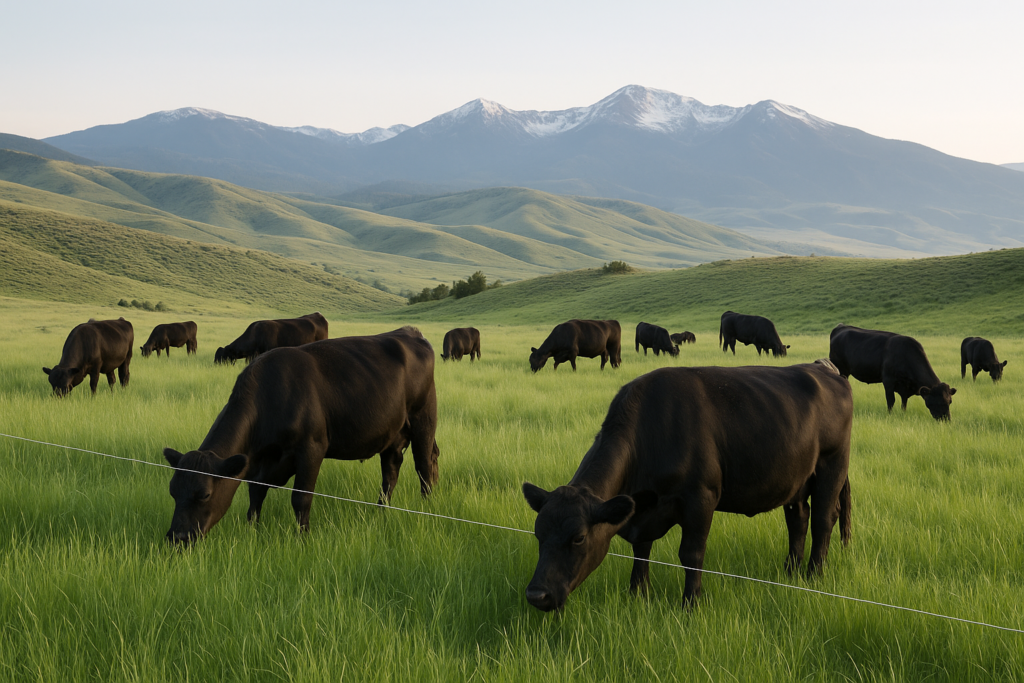
If you can split big pastures with even one or two strands of temporary electric, June is when it pays. Bunching cattle tighter and moving them more often means more even use — they’ll quit picking the ice cream and leaving the rest. You don’t need a fancy management-intensive system. Cutting a 320 in half and moving once or twice can change how much grass you’ve got left in August.
Watch the recovery, not just the grazing
Rotation only works if grass gets time to regrow before cattle come back. In a good June with moisture, a cool-season pasture might be ready to graze again in 30 to 45 days. In a dry stretch, that recovery clock slows way down — sometimes it stops. The mistake is rotating on the same schedule regardless of conditions and walking cattle back onto plants that never recovered.
Two things tell you a pasture is ready for round two. The grazed plants have pushed new leaf well above the stubble you left, and the ground feels and looks like it’s holding moisture rather than crusted over. If the grass hasn’t come back, the answer isn’t to graze it lighter — it’s to stay off it longer and lean on a pasture that’s ready.
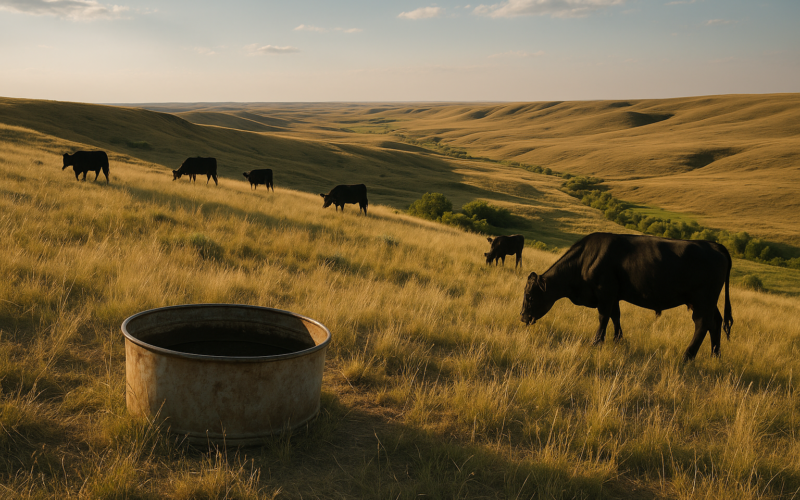
This is also the month to keep half an eye on water and salt placement, because they’re your cheapest herding tool. Cattle camp near water and overgraze the bottoms while the ridges and back corners go untouched. Move mineral and any portable water away from the loafing spots and you’ll pull animals into the country they’ve been ignoring. On big rough pastures that one move does more for even use than any amount of riding.
Leave yourself an out for July
The whole point of riding herd on June grass is so you’ve got options when the weather turns. Montana summers don’t owe anybody a wet July. If you graze hard now and the rain quits, you’ve got no recovery and no carryover, and you’re making culling and weaning decisions in the heat with nothing in reserve.
Set aside at least one pasture you don’t touch in June — a deferred unit you hold for late summer when everything else is short. It feels backward to fence off green grass in the best growing month, but that held pasture is your insurance. Cattle on it in August are cattle you’re not hauling water to or selling early.
None of this is complicated. Look at the grass instead of the calendar, leave enough leaf for the plant to recover, give pastures real rest, and keep something back for when it dries up. June rewards the producer who’s thinking about September.