You can do everything right at turnout — good bulls, a tight breeding window, cows in decent shape — and still pull the preg-check gate in November to find a third of the herd open. When that happens, most guys blame the weather, the grass, or a bull that quit. Sometimes the real culprit is a venereal disease that left no sign all summer: trichomoniasis, or trich.
It’s worth understanding because it’s one of the few things that can gut a calf crop without you seeing a single sick animal. The cows don’t go off feed. The bulls look fine and breed with enthusiasm. The damage only shows up months later, in the form of cows that bred, lost the pregnancy early, and recycled — or never settled at all.
What trich actually does to a herd
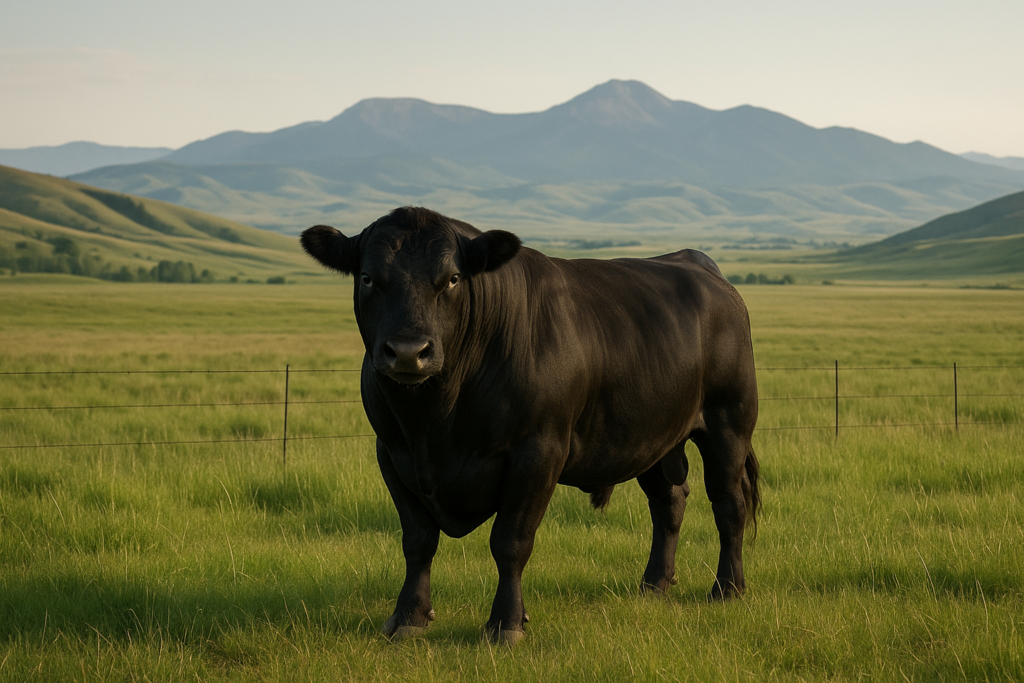
Trichomoniasis is caused by a protozoan that lives in the folds of a bull’s prepuce. It doesn’t bother the bull at all, and it doesn’t go away on its own once an older bull is infected — that’s the part that catches people. The bull carries it season after season, breeding cow after cow and passing it along.
In the cow, the bug causes early embryonic death. She conceives, then loses the pregnancy in the first couple months and comes back into heat. Most cows clear the infection on their own after a few cycles of sexual rest, but by then the breeding season is winding down and she’s either bred very late or open. A cow that calves in March one year and isn’t bred until August the next is on her way out the gate, and you paid to feed her all winter to find that out.
The classic pattern is a herd with a wide, dragged-out calving spread the following spring and a higher open rate than the genetics and nutrition would explain. By the time you see it, the disease has already moved through the herd for a full breeding season.
Why the bull is the place to break the cycle
You can’t practically test cows for trich and you can’t treat infected animals — there’s no cure you can give. The whole game is keeping the bug out of the bull battery. Younger bulls, generally under four or five years old, are far less likely to become permanent carriers because the prepuce hasn’t developed the deep folds the organism likes. Older bulls are the dangerous ones, and a bull you buy or lease is an unknown until he’s tested.
Testing is straightforward for your vet: a scraping or wash of the prepuce, cultured or run on PCR. The catch is that one negative test isn’t airtight, because the sample doesn’t always pick up the organism the first time. Vets often want a bull rested from breeding for a couple weeks before sampling and may run more than one test on a suspect animal. Talk to your vet about what the rules are for bulls changing ownership or crossing into your operation — requirements vary and they change, so get the current word rather than going off what a neighbor told you three years back.
A few habits keep a clean herd clean:
- Test bulls before you turn them out, especially any that are bought, leased, or borrowed, and any mature bull whose history you don’t fully know.
- Run bulls of known status. A virgin yearling out of your own program is about as low-risk as it gets.
- Keep fences up between your cows and the neighbor’s bulls. Trich doesn’t respect a property line, and a bull that jumps in for a week can leave a problem behind.
- Cull open and late-bred cows hard instead of rolling them to a later calving group, which just gives the disease a home.
The cost math nobody likes
A trich test and a breeding soundness exam at the same chute appointment cost real money, and it’s tempting to skip it on a bull you’ve run for years. But weigh it against a wreck. If trich gets loose in a herd, the open rate and the strung-out calving the next spring can cost you a chunk of a year’s calf crop, plus the feed you sank into cows that didn’t produce. There’s also the cleanup: pulling and replacing bulls, tightening biosecurity, and possibly running a shorter, controlled breeding season to find out if you’ve cleared it.
Branding’s behind you and turnout’s either done or close. If you brought in any new bulls this year and they went out without a test, it’s worth a call to your vet before that breeding season gets much older. The disease works quietly, and the bill always comes due in the fall.