A grasshopper outbreak doesn’t announce itself. You turn out in June on grass that looks fine, and by the time you notice the crop is short, the hoppers are big, winged, and moving faster than you can spray. The damage is already done. On dry years especially, they’ll strip a foothill pasture down to dirt and follow the last green into your hayfield.
The part most people miss is that June is when you actually have leverage. Little grasshoppers are cheap to kill and easy to knock back. Big ones aren’t. So the work right now isn’t reacting to the ones you see chewing — it’s getting out ahead of the ones that just hatched.
Know what a hatch looks like
Most of the rangeland species that cause trouble in Montana overwinter as eggs in the top inch or two of soil, laid the summer before along field edges, ditch banks, south-facing slopes, and any dry, undisturbed ground. When the soil warms up in late spring, they start hatching. A warm, dry May and June speeds it up; a cold, wet one drags it out and drowns a lot of them before they get going.
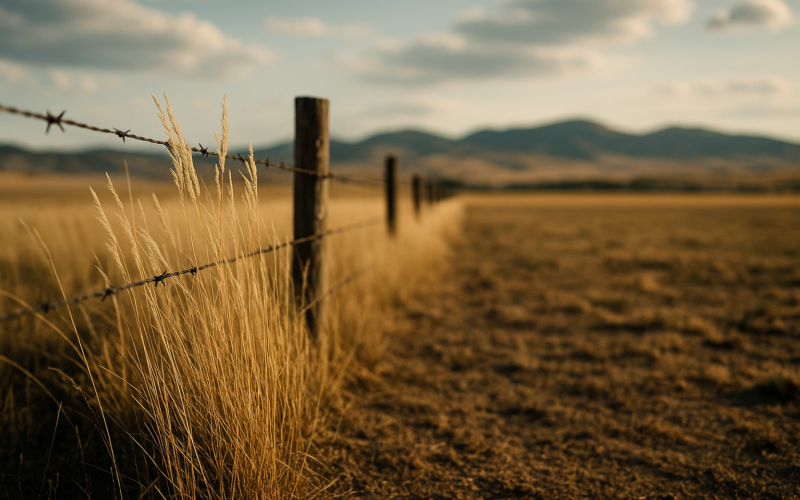
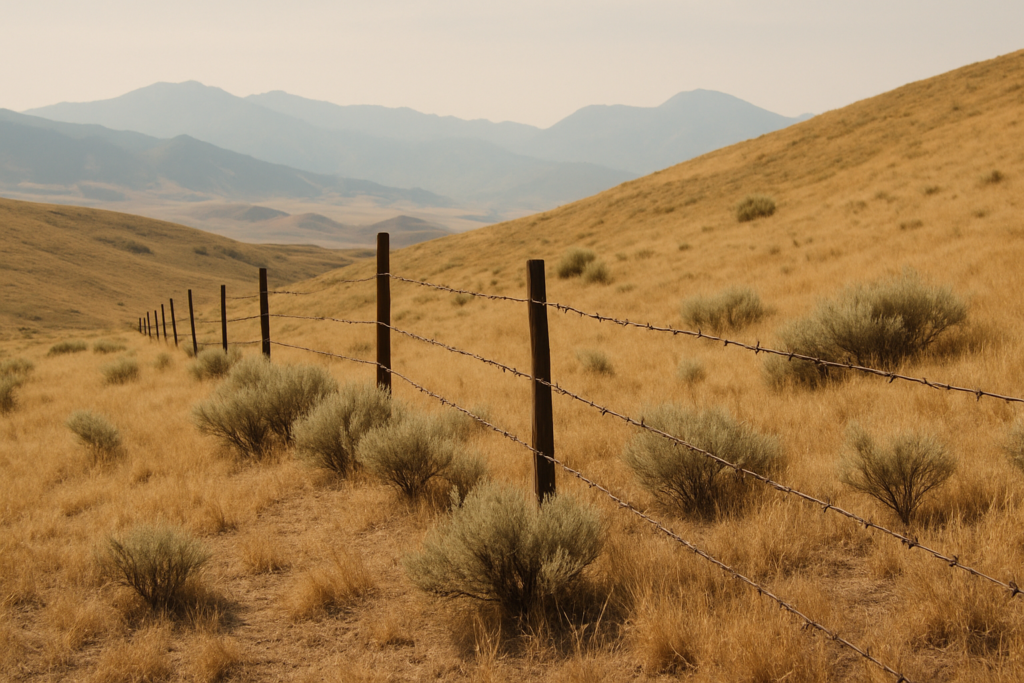
The newly hatched nymphs look like miniature versions of the adults but without wings. They cluster near the hatching beds at first, which is why you’ll see the edge of a field crawling while the middle looks clean. That clustering is your tell. If the fence lines and the knobs are alive with little hoppers in June, the whole pasture is coming.
Two dry summers back to back tend to build the population, because dry weather favors the fungal diseases and parasites not killing them off. That’s the setup for an outbreak year, and it usually shows up first as heavy hatches along the same field margins that were thick the fall before.
Count them before you decide anything
Guessing is how people either waste money spraying a pasture that didn’t need it or skip one that did. The standard way to get a real number is the square-foot method, and it costs you nothing but time.
Walk out into the pasture and pick a spot a few feet ahead of you as a rough one-square-foot target. Count the grasshoppers that jump or move in that square as you approach. Do it 18 times as you walk across the pasture, add up the total, and divide by two — that gives you a rough count per square yard. Take samples across the whole unit, not just the hot edge, so you’re not fooled by the hatching beds.
A handful per square yard is background noise you live with every year. Counts climbing into the teens and higher, over a lot of ground, on a pasture that’s already short on feed, is when treatment starts to pencil out. The threshold isn’t a magic number — it depends on how much grass you’ve got, what the pasture’s worth to you, and whether it’s dry. A hayfield you’re counting on and a beat-up dry-year pasture don’t justify the same spending.
Weigh the treatment against the year
If you decide to act, the tool that’s made the biggest difference on rangeland is a reduced-agent, reduced-area approach — treating strips and leaving untreated buffers in between, which cuts your cost and product way down while still knocking the population back, because the hoppers move into the treated strips on their own. It works far better on nymphs than on grown adults, which is the whole reason timing matters.
For treatment on any scale, get in touch with your county Extension office and your weed and pest people early. Large rangeland grasshopper suppression sometimes runs as a coordinated effort across neighbors and federal ground, and that’s a different animal than spraying your own hayfield edge. Read and follow the label on grazing and haying restrictions — some products carry a waiting period before you can turn cattle back in or cut for feed, and that’ll wreck your summer plans if you find out after the fact.
The honest truth is that some outbreak years, the hoppers win no matter what you do, and you’re better off planning to move cattle and stretch feed than dumping money into a losing spray. But you can’t make that call in August with winged adults boiling out of the grass. You make it now, in June, with a count in your notebook and a look at how dry the summer’s shaping up. The producers who come through a grasshopper year in decent shape are the ones who were out walking the fence lines in June while everyone else was still watching the sky for rain.