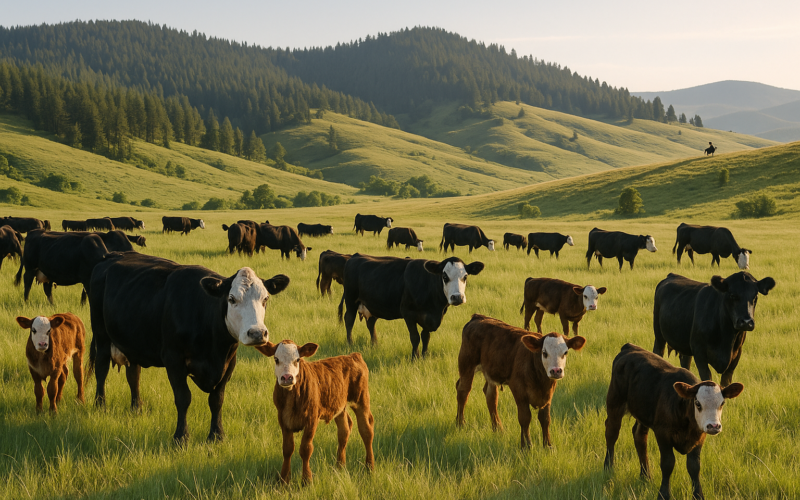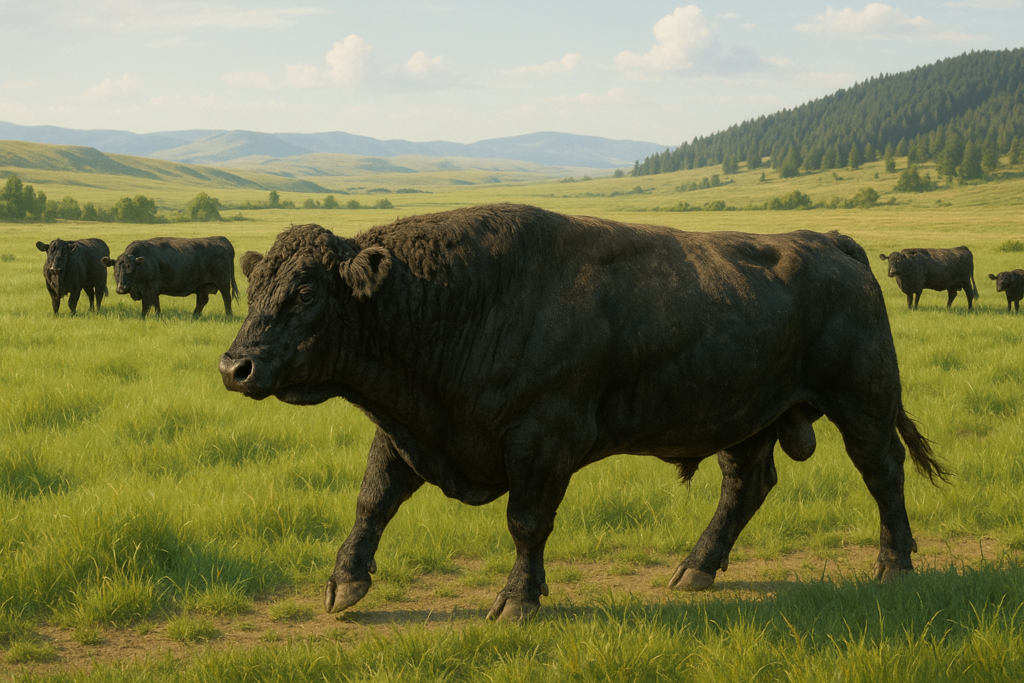
Most guys spend a fortune and a spring’s worth of worry getting bulls ready for turnout, then treat the actual breeding season like it runs itself. Gate’s open, bulls are with the cows, on to first cutting. That’s exactly when a bull gets hurt, goes off the job, and nobody notices until the calves show up strung out or short the following spring.
A breeding soundness exam in April tells you a bull was fertile and sound the day the vet looked at him. It doesn’t tell you a thing about whether he’s still working in the third week of June after a fight, a slip on a wet creek crossing, or a foot that’s starting to rot in a muddy corner. Bulls break down during the season, not before it. The trick is catching it while you still have time to fix it.
Ride through and actually watch them
Counting head from the truck isn’t checking the bull. You need eyes on him moving and, when you can catch it, eyes on him breeding. A bull that’s doing his job travels with the cows, follows the ones coming into heat, and mounts without hesitating. A bull hanging back at the water or bedded off by himself while a cow stands in heat is telling you something.
Watch how he walks. A short stride, a dropped head, favoring a hind foot, a swollen hock or knee—any of it takes the drive out of him. Breeding is hard physical work, and a bull that hurts every time he mounts will quit trying. Foot rot sets up fast in the wet spots this time of year, and a lame bull covers a fraction of the ground and a fraction of the cows.
Look at the underline too. A swollen sheath, a bull that’s dribbling or straining, or a penis that isn’t retracting right means a penile injury or a prolapsed prepuce, and that bull is done for the season no matter how good his semen test was. Those injuries are common in older, heavier bulls and in outfits running bulls together where they fight and ride each other.
Fighting, and the problem with one bull to a pasture
Turn out more than one bull and they’ll sort out the pecking order the hard way for the first week or two. That’s normal. What isn’t normal is a bull that keeps getting run off, keeps his head down in the corner, and never gets a chance to breed because a bigger bull won’t let him. You paid for that bull’s genetics and he’s contributing nothing.
The bigger risk is the single-sire pasture. One bull, one bunch of cows, and if that bull gets hurt or turns out subfertile despite the test, you can lose a huge chunk of the calf crop and never see it coming until preg-check. If you run single-sire, ride that pasture harder than any other and be ready to swap a bull in on short notice. Keep a sound spare back if you can. A cleanup bull isn’t just insurance on conception rates—he’s insurance against a wreck you didn’t witness.
Read the cows to grade the bull
The cows will tell you whether the bull is working if you know when to look. Cattle cycle roughly every three weeks. In the first cycle after turnout you should see standing heat—cows riding each other, a bull following and tending. By the second cycle, three weeks in, far fewer cows should be showing heat if the bull’s settling them.
If you’re still seeing a lot of standing heat and chin-resting three, four, five weeks after turnout, something’s wrong. Either the bull isn’t sound, he isn’t fertile, or there aren’t enough bulls for the number of cows and the terrain. Rough, brushy country and big pastures spread a bull thin; a young bull covering scattered cows in the Missouri Breaks isn’t the same job as a mature bull on a flat quarter section.
None of this takes a lab. It takes riding through with your eyes open a couple times a week instead of once a month, and paying attention to how the bulls move and how many cows are still hunting. A hurt bull found in June is a bull you can pull and replace with the season still salvageable. The same bull found at weaning is a light, late, uneven calf crop and a long conversation with yourself about why you didn’t look sooner.