By the time you notice grasshoppers stripping a hay field in August, the fight is already lost. The adults have wings, they move where the feed is greenest, and any spray you put out is chasing bugs that fly ahead of the tractor. The work that actually pays off happens now, in June, while most of them are still nymphs crawling around the edges of your ground.
Montana runs through cycles with grasshoppers. Some years you barely see them. Then a run of dry springs stacks up, the winters stay mild, and suddenly the ridges east of the mountains and the short-grass country out toward the Dakotas are crawling. A bad year eats pasture you were counting on and can take the top off a hay cutting before you get the swather in the field. Nobody controls the weather that drives the outbreak, but you can decide early whether you’ve got a problem worth spending on.
Where and how to look
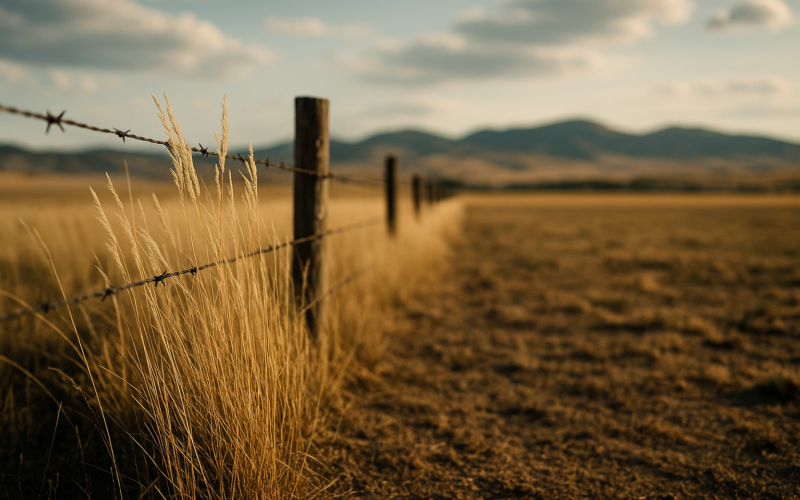
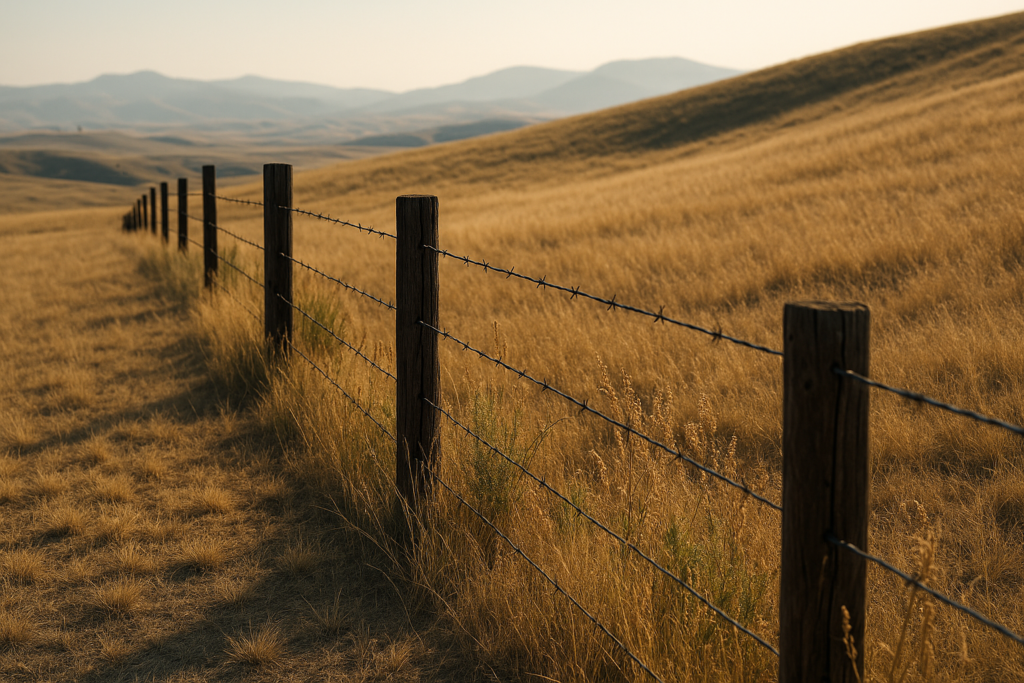
Grasshoppers don’t hatch evenly across a field. They lay eggs in undisturbed, sun-warmed ground the summer before — road ditches, fence lines, field margins, weedy corners, south-facing slopes. That’s where the nymphs show up first in spring, small and wingless, before they push out into the crop or the pasture. If you walk those edges in June and see them thick, you’re looking at the front edge of what’s coming.
The rough way to count is to pick a spot, look at a square yard of ground, and estimate how many hoppers you flush or see moving. Do it several times across a field and average it. A handful per square yard in a pasture usually isn’t worth chasing. When you’re consistently counting into the teens or higher across a field, and they’re still small, that’s the point where control decisions actually matter. Numbers vary by the size and stage of the hoppers and what the ground is worth to you, so treat those figures as a starting point, not gospel.
Stage matters as much as number. Little nymphs are easy to kill and haven’t done much damage yet. Once they hit the later instars and start growing wings, they eat more, they’re harder to knock down, and they’ll move onto your ground from a neighbor’s whether you spray or not. Watching them go from pinhead-sized to nearly full grown over a few weeks tells you your window is closing.
Deciding whether it pays
Not every hatch justifies a treatment. On a big block of native range, spraying the whole thing rarely pencils out, and the hoppers can reinvade from surrounding country anyway. The math is different on a hay meadow or a small irrigated pasture where a heavy population will take a real cut out of your tonnage. Figure what the feed is worth, what the treatment costs, and whether you can hit them while they’re still concentrated along the margins.
That edge concentration is the opening. When the nymphs are still banded up in the ditches and field borders before they’ve spread, a border or perimeter treatment can knock down the bulk of them for a fraction of what a full-field spray costs. Miss that window and they scatter, and now you’re treating the whole thing or nothing.
There’s also a bait approach built around bran carrying an insecticide, which the hoppers eat directly and which is easier on the beneficial insects that help hold populations down. Whatever product you reach for, read the label for the grazing and haying restrictions — a lot of a hay crop can be lost simply because somebody sprayed and then couldn’t cut inside the withdrawal period. Talk to your county Extension office or a licensed applicator before you commit; they track which areas are building and what’s cleared for use.
Playing the longer game
Grasshopper numbers are also a grazing story. Ground that’s already been grazed hard and short heading into a dry summer gives the hoppers a head start and leaves you nothing in reserve when they show up. Range you’ve rested holds more residual and shrugs off moderate populations better. It won’t stop a genuine outbreak, but it changes how much a bad year hurts.
Keep an eye on the wet-and-dry pattern too. A cold, wet spring drowns a lot of nymphs and knocks numbers back on its own. A warm, dry one lets nearly all of them survive, which is exactly the setup for the years that get ugly. If we string together dry springs, plan on scouting harder and earlier the following June. The hoppers are telling you what the season’s been; you just have to walk the fence line and read it before they can fly.