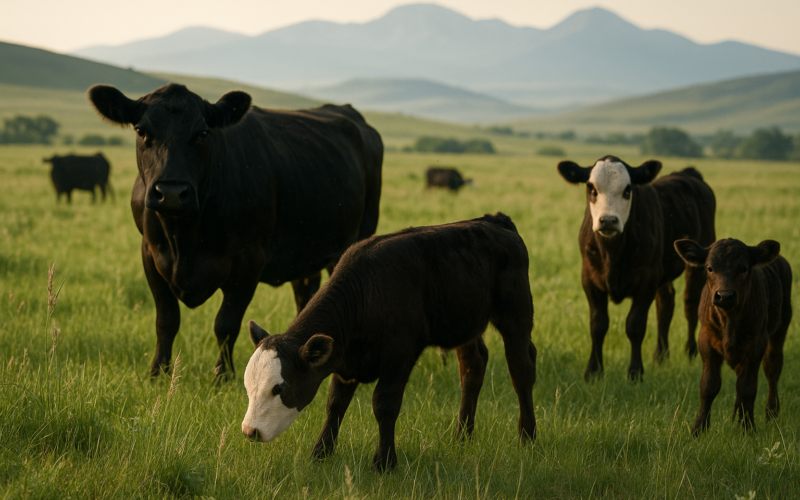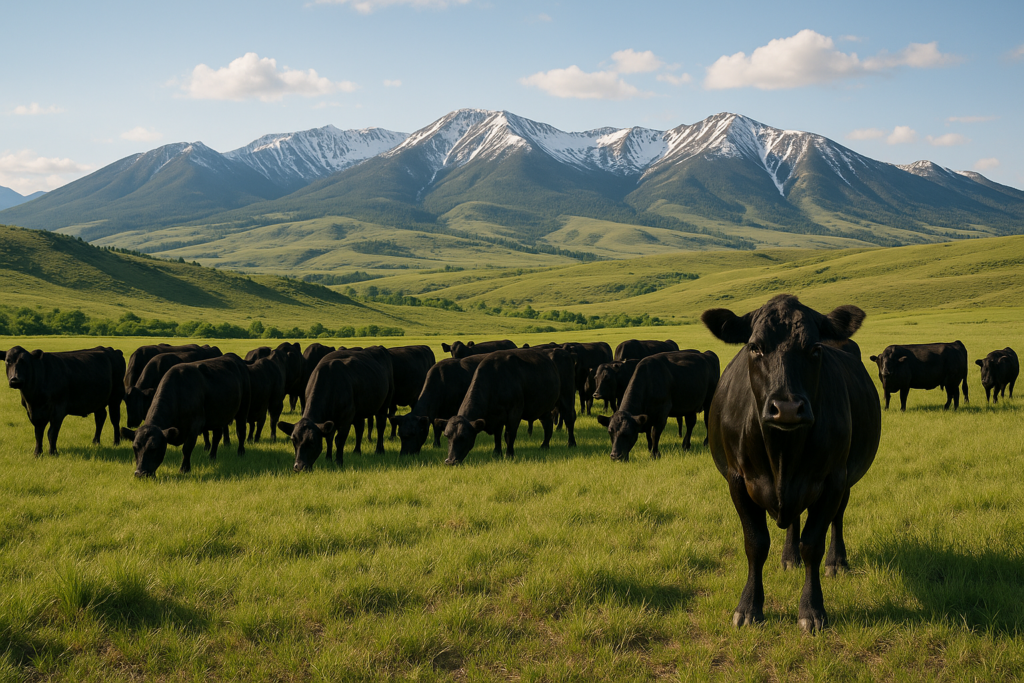
A cow that was fine on Monday stands off by herself on Thursday, breathing hard, gums gone pale, and by the time you get a good look at her she’s staggering or downright mean. If she’s one of your older cows and it’s late summer or fall, anaplasmosis belongs on the short list. It’s one of those diseases that does its damage quietly for weeks and then hands you the bill all at once.
The bug is a blood parasite that gets inside red blood cells. The animal’s own body clears those cells out to fight it, and that’s what causes the trouble \u2014 the cow turns anemic. Not from bleeding, but from tearing down her own blood faster than she can build it back. That’s why the classic sign is a pale, then yellow, tinge to the gums and the whites of the eyes, along with weakness and, in the worst cases, an animal that gets aggressive because her brain isn’t getting enough oxygen. Handle her rough at that stage and you’ll finish what the parasite started.
Why the old cows go down and the calves don’t
This one runs backwards from what you’d expect. Calves can carry the organism and barely act sick. Yearlings and young cows might run a fever and pull through. It’s the mature cows, the six- and eight- and ten-year-olds, that get hit hard and die. Their immune systems clear blood cells aggressively enough to put them into a crisis they can’t climb out of.
The cruel part is that a cow who survives becomes a lifelong carrier. She looks completely normal, breeds back, raises a good calf, and quietly holds a reservoir of the parasite in her blood. Every carrier in the herd is a source that ticks and flies and your own equipment can draw from.
How it moves \u2014 and where June comes in
Anaplasmosis spreads two ways, and both are running right now. The natural route is biting insects. The Rocky Mountain wood tick is here, and horse flies and other biters move blood from animal to animal every time they feed. There’s not much you can do to shut that off completely, but a fly-control program that actually keeps horn fly and horse fly numbers down does more than save on shrink \u2014 it slows the spread of a disease you can’t see.
The other route is the one you control entirely, and it’s the reason to think about this in June: your own hands. Any tool that carries a smear of blood from one animal to the next can move the parasite. A single needle used down a whole run of cows. A tattoo pliers. A dehorner, a knife, an ear notcher, an implant gun. If you processed at branding without changing needles and disinfecting between animals, you may have moved blood from a carrier into a dozen clean cows without ever knowing it. It doesn’t take much \u2014 the parasite lives in blood, and a used needle carries blood.
None of that means you did anything unusual. Plenty of good outfits reuse a needle for a whole bunch. But if you’ve got carriers in the herd, that habit is the fastest way to spread it, and it’s the one thing on the whole list you can fix for the price of a box of needles.
What to actually do about it
Start with the cheap stuff. Change needles often \u2014 a fresh one every few head at least, and a fresh one any time you draw blood. Disinfect dehorners, knives, and pliers between animals, or at minimum between groups. It slows you down at the chute. It also keeps you from turning one carrier into twenty.
Keep the fly and tick pressure down. Whatever program you run \u2014 tags, pour-ons, dust bags, oilers \u2014 the goal is fewer biting insects moving between animals through the summer.
If you know you’ve had anaplasmosis, or you’re in a part of the state where neighbors have dealt with it, talk to your veterinarian before you assume it’s not your problem. Feed-grade chlortetracycline is used in some herds during vector season to hold the disease down, but it’s a prescription decision under the veterinary feed directive, and it’s a control tool, not a cure. There’s also a vaccine available in some cases. Both are conversations for your vet, not something to start on your own.
And when a fall cow goes off feed, pale and weak and out of sorts, don’t just write her off as old age or a bad tooth. Handle her gently, get a blood sample if you can, and get a diagnosis. Knowing whether anaplasmosis is in your herd changes what you do at the chute next spring \u2014 and next spring is where you either keep it from spreading or hand it a fresh needle.