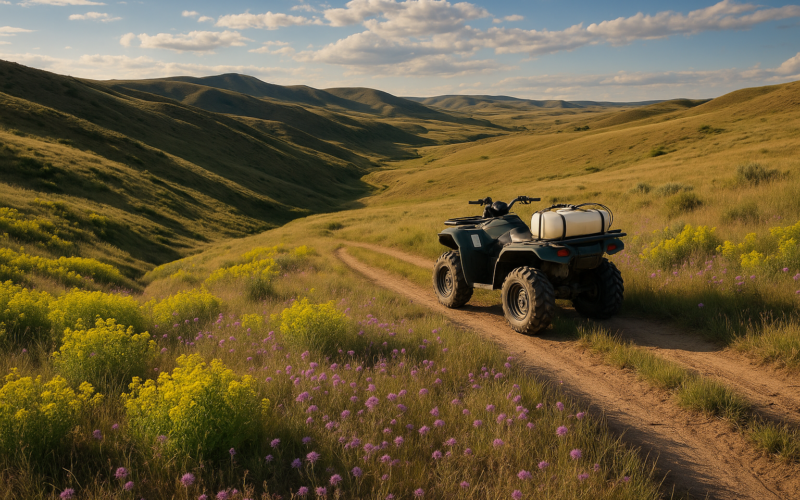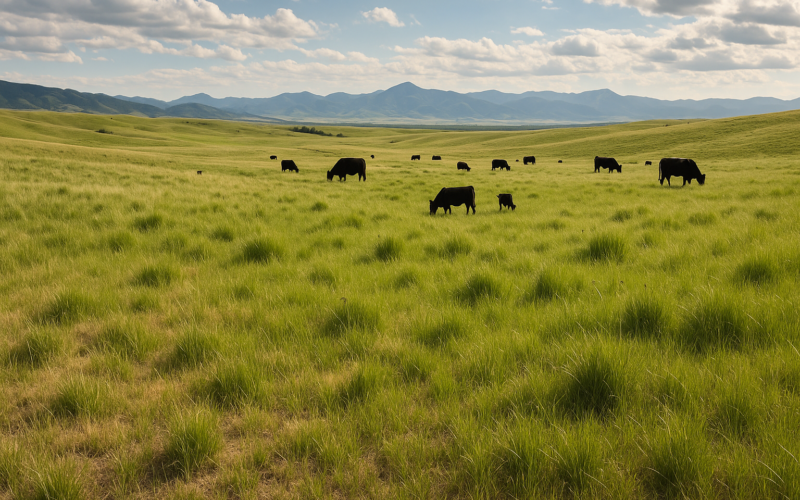
Most of the damage you’ll see on native range in August was done back in June, and you didn’t feel it at the time. The cows came off winter feed ready to graze, the grass was green, so you turned out. What you couldn’t see is that bluebunch wheatgrass, needle-and-thread, and green needlegrass do most of their growing for the entire year in a short window in late spring and early summer. Bite the plant too hard while it’s stacking that growth and it doesn’t grow back later. It just quits for the season.
That’s the part people miss. A cool-season bunchgrass isn’t like an alfalfa field that regrows every time you cut it. Native range grasses on dryland run on the moisture and warmth they get now. Once that’s spent, they’re done making feed until next spring, whether the cow left half of it or none of it.
Why the growing point matters
Early in the season the growing point of the plant sits down low, near the crown, and the leaves are what stick up where the cow can reach them. As the plant moves toward heading out, that growing point elevates on the stem. Graze it before it heads and you’re mostly taking leaf, and the plant can push more. Graze it hard right as the stem is jointing and elevating, and the cow takes the growing point itself. Now the plant has to start over from a dormant bud, and on dry ground with the moisture running out, it often can’t.
That’s the difference between a pasture that greens back up after a rest and one that sits there stubbed off and gray the rest of the summer. It isn’t the amount of grass the cow ate. It’s when she ate it and what part she took.
The old rule of taking half and leaving half holds up here, but the timing rule matters just as much. A plant grazed moderately in June and then left alone can rebuild leaf area and refill its roots. A plant grazed to the dirt in June, or grazed again and again because the cows keep circling the same draw, spends its reserves and doesn’t get them back.
Rest is the part that pays
The single most useful thing you can do for native range is let a pasture finish growing before the cows hit it, and then move them before they graze the regrowth. That’s the whole idea behind rotating and deferring. It doesn’t take fancy fencing or a dozen paddocks. Even splitting a big pasture in two and grazing them in a different order each year lets one piece put on full growth and set seed while the other carries the cows.
Deferred rotation—resting the same pasture until after seed set every few years—is how you keep the good grasses in a stand instead of watching them thin out and let clubmoss, cheatgrass, or bare ground move in. A bunchgrass that never gets to make seed and never gets a full rest slowly loses ground to whatever can stand the pressure.
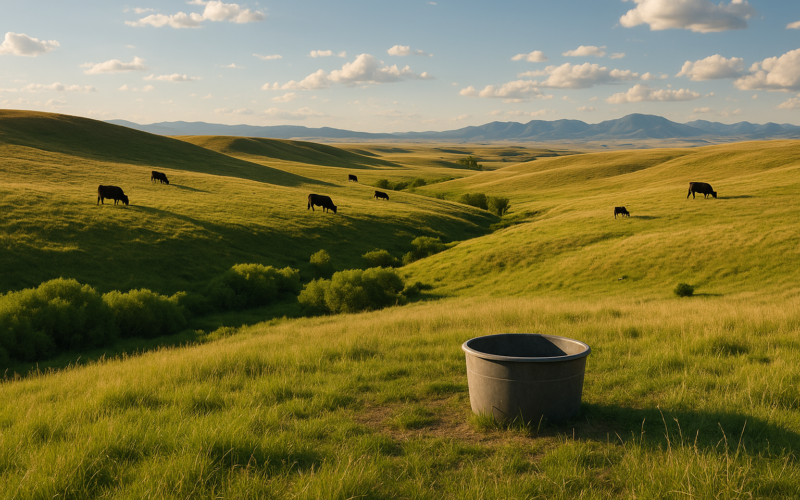
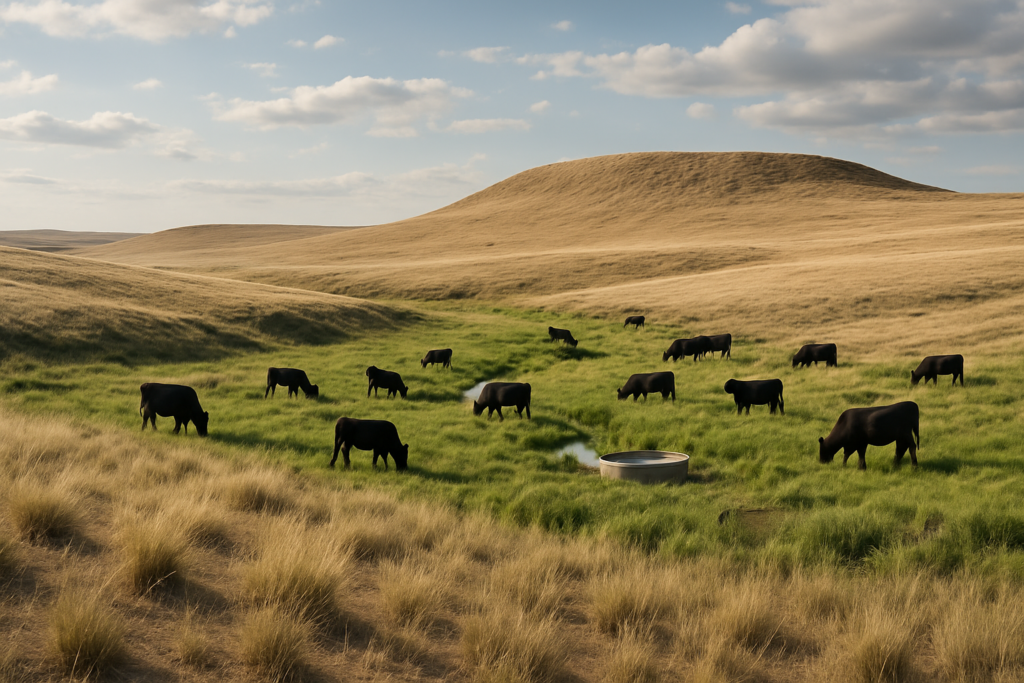
Watch where the cows actually graze, too. They’ll hammer the wet draws and the flats near water and leave the ridges and the far corners untouched, which means the country that looks overgrazed is really just poorly distributed. Salt and mineral set back away from water, a little fence, or a stock tank in the underused country does more for your range than cutting numbers ever will, because it spreads the bite out instead of concentrating it on the same plants.
What it costs you next year
Overgraze native range in June and you don’t just lose August feed. You lose root mass. A grass plant grazed short can only send roots as deep as its leaves are tall—take the top and the roots pull back, and a shallow-rooted plant is the first one to burn up in a dry spell and the last one to green up next spring. Two or three years of grazing the same country too early and too hard, and the good grass is gone and the weeds are in. That’s expensive to fix and slow to come back.
None of this means keeping cows off grass. It means matching the grazing to what the plant can stand right now, giving it a chance to finish and rest, and reading the country instead of the calendar. The ranches that still have deep, thick native range twenty years down the road are the ones that treated June grass like the whole year’s paycheck, because on dryland, that’s exactly what it is.