The first real heat of the year is the one that gets cattle. By August they’ve shed off, sweated through a few hot spells, and adjusted. But a run of 90-degree days in mid-June, coming off a cool wet spring while cows still carry winter hair, stacks up faster than most people expect. The animals haven’t acclimated. Neither has the grass, in a lot of country, which means shade and water aren’t always where you need them.
Heat load isn’t just the number on the thermometer. It’s temperature, humidity, wind, and sun working together, plus how much the animal cooled off overnight. A hot day that drops into the 50s by dawn lets cattle recover. A hot day that stays muggy and still through the night, with no breeze, is the one that piles risk on top of risk. Cattle dump most of their heat in the dark hours. Take that away and they start the next day already behind.
Read the animal, not just the forecast
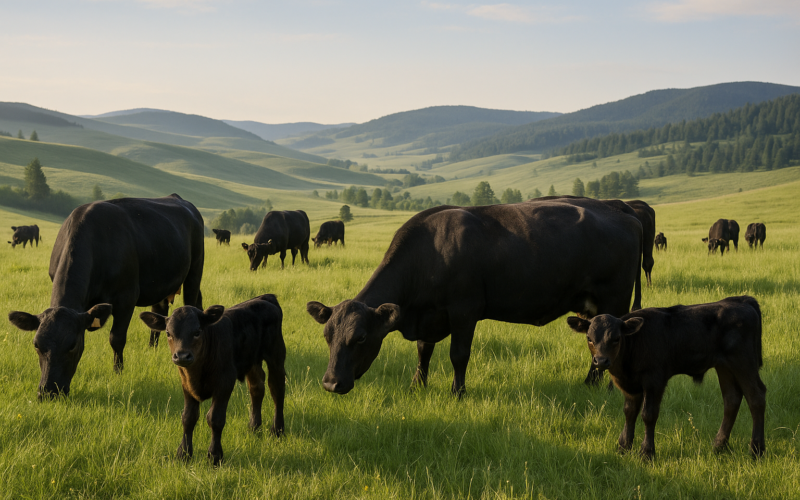
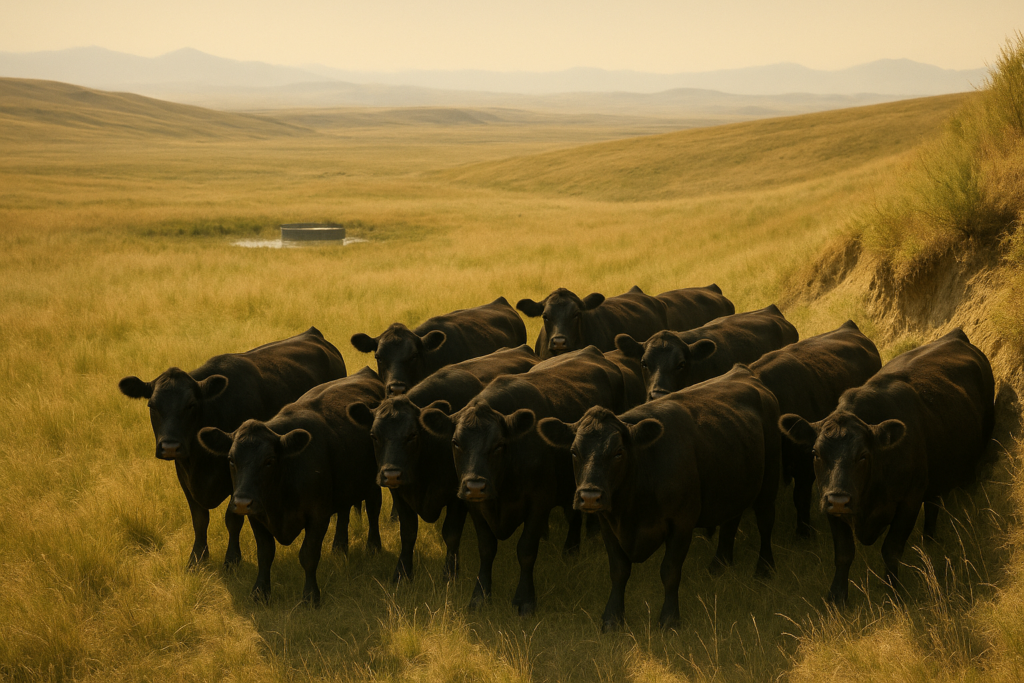
A cow handling heat fine will stand, graze in the cool of the morning, and lay up in shade midday. A cow in trouble bunches with others, stands with her head low, drools, and breathes with her mouth open and her tongue out. Open-mouth breathing with heavy drooling is a late sign — by then she’s in real distress. Black-hided cattle, heavy fleshed cattle, and anything with a respiratory history or a heavy coat that hasn’t shed run hotter than the rest of the herd.
The dangerous stretch is not noon. It’s mid to late afternoon, roughly 2 to 6 o’clock, when the day’s heat has fully loaded into the animal and the ground is still radiating. Heat load lags the air temperature by several hours. That’s exactly when a lot of us decide to gather and haul, because it fits the day.
Work early or not at all
If you have to gather, sort, haul, or run cattle through the chute during a hot spell, do it at daylight. Cattle that were cool overnight can take handling in the morning. The same job at 3 in the afternoon — pushing them, holding them bunched in a corral with no shade, crowding an alley — adds a big heat load on top of a body that’s already near its limit. Cattle that are stressed and handled hot don’t cool back down for a long time, and a certain number won’t come out of it.
A few things that help on hot days:
- Handle in the cool early morning and be done by mid-morning. Leave them alone the rest of the day.
- Keep bunched time short. Cattle standing shoulder to shoulder in a dirt corral can’t shed heat — they’re heating each other.
- Don’t haul loaded in the heat of the afternoon. A stopped trailer with no airflow cooks. If you’re moving cattle any distance, load early and keep moving.
- Move quiet. A hot, worked-up bunch generates a lot of internal heat you can’t see.
Fly pressure works against you here too. Cattle bunching to fight horn flies and face flies pile into tight groups in the heat instead of spreading out to graze and cool. Staying on top of fly control keeps them strung out where the air can move over them.
Water and shade do the heavy lifting
Water demand climbs sharply in heat, and cattle drink far more on a hot day than a cool one. A tank or spring that keeps up in May can come up short when the whole herd is trying to drink at once in the afternoon. Check your delivery — float valves, pipeline pressure, spring flow — before the first hot spell, not during it. Cattle that have to walk a long way for water, or wait their turn at a slow tank, get behind and stay behind. Cool water pulls heat out of them from the inside; it’s the single best tool you’ve got.
Shade matters where you have it. A lot of Montana summer pasture doesn’t have much beyond a coulee or a scattered timber edge, and cattle will use it. Where cattle bunch under one lone tree, they crowd and heat each other more than the shade helps. Natural draws that catch a breeze often do more good than a single tree in the open.
Bulls are worth a separate thought during breeding season. A heat event that pushes a bull’s body temperature up hurts sperm quality, and the damage doesn’t show up in that day — it shows in cows that come up open weeks later, because the sperm affected takes time to work through. A bull that spends a hot afternoon standing in water or shade instead of covering cows is doing you a favor. Don’t push bulls around in the heat if you can help it.
None of this is complicated. It’s mostly a matter of shifting the timing of your work to the cool part of the day and making sure water keeps up. The June heat wave is the one that catches people off guard because it comes before anybody’s thinking about it.