Most of the trouble people have on summer range shows up in the first forty-eight hours, and it’s usually self-inflicted. You haul a load of pairs up to a Forest Service allotment or a big deeded pasture, drop the endgate, and the whole bunch strings off at a trot looking for the country they just left. By evening they’re piled in a corner, bawling at a fence, mothering up, and packing down the one wet spot they can find. A week later they’ve beaten a trail to the low end and won’t touch the ridges you’re paying to graze.
Cattle don’t read a lease map. They graze where they feel settled, and they decide that fast. A little effort when you turn them out buys you a summer of better distribution and fewer trips to run them off water or out of the neighbor’s grass.
Unload where you want them to stay, not where the road is
The gate you back the trailer up to is almost never the best place for cattle to land. It’s picked for the truck, not the cow. If you can, drive them off the unloading spot to good feed and water before you leave. A quarter mile of walking on the country you want grazed does more than any amount of salt hauled up later.
Turn out onto the higher, drier ground when you have the choice. Cattle drift downhill and toward water on their own; they rarely climb back up without encouragement. Set them out high and they’ll graze their way down at their own pace instead of collapsing onto the creek the first afternoon.
Timing matters too. Cattle handled in the heat of a still June afternoon come off the trailer wound up and looking for shade. Turn out in the morning when it’s cool and they’ve got the whole day to fill up and find their feet before dark.
Settle them before you drive off
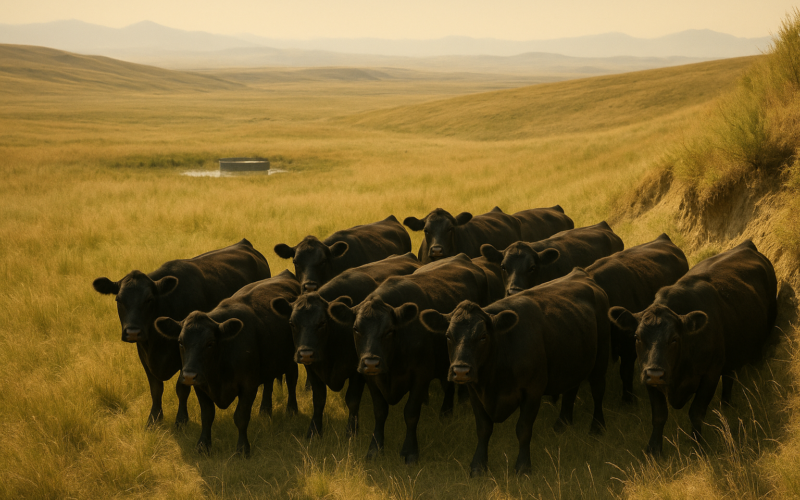
The habit worth building is spending twenty minutes to an hour with a fresh bunch before you leave. Get them lined out and grazing, not milling. If they’re gathered up tight and pushing to travel, they’re not settled, and the second you’re out of sight they’ll take off in whatever direction they were pointed.
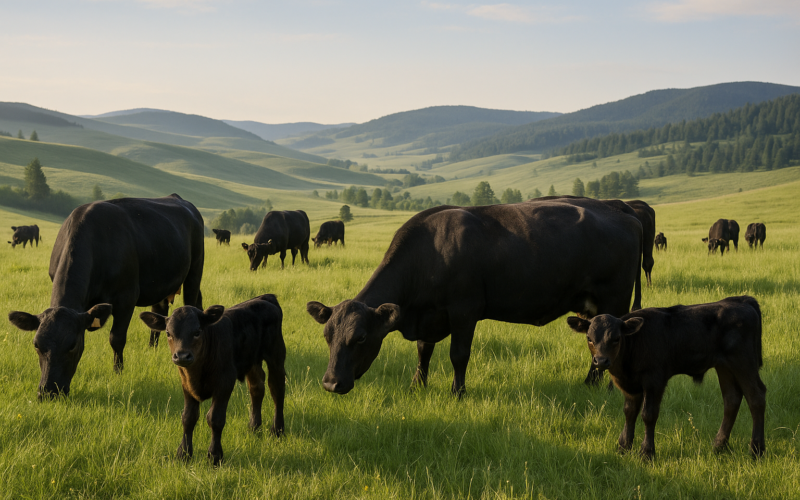
Low-stress stockmanship is just applying pressure and taking it off at the right moment. Work the lead, not the tail. When you bump the front of the bunch and slow it, the back end catches up and the whole thing loosens and drops its head to graze. That release is the signal. A bunch that’s grazing when you ride away is a bunch that stays put.
Riding, quad, or side-by-side, keep it quiet. Yelling and hard pushing teaches cattle to travel fast, and travel is exactly what you don’t want on new country. Dogs are the same. A good dog settles cattle; a hot one scatters them to the timber.
Use water and salt to pull them off the bottoms
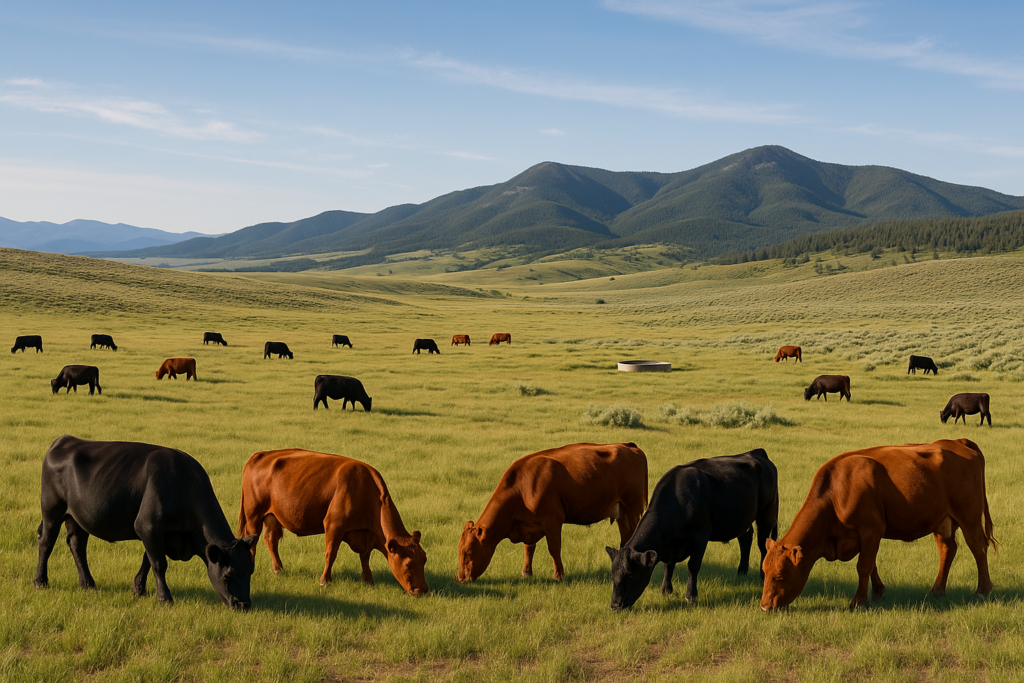
The predictable failure on summer range is cattle bunching on the creek while the high ground sits idle. Water is the anchor, so put your salt and mineral where you want animals to walk, not next to the trough. A ridge, a bench, a saddle a half mile from water will pull cattle up out of the riparian bottoms and spread the grazing across ground you’re otherwise paying for and not using.
Move the salt as the season goes. Cattle graze out from it, so shifting it every couple weeks keeps them working new country instead of hammering the same slope. If you’ve got developed springs or troughs on the upper end, keep them running early; a dry tank on the high side sends everything back down to the creek and undoes your work.
Riparian areas take the beating fast in a hot, dry stretch. Trampled banks, muddy water, and grazed-off willows are the kind of thing that gets an allotment in trouble and gets a rancher a hard conversation with the district. Pulling cattle up onto the uplands isn’t just about even grazing; it keeps the wet ground in shape.
None of this is complicated. It’s the difference between backing up to a gate, dumping the load, and driving home, versus staying long enough to point the cattle at good feed and leave them grazing. That hour on turnout day is the cheapest range management you’ll do all year, and you’ll notice it every time you ride the pasture between now and fall.