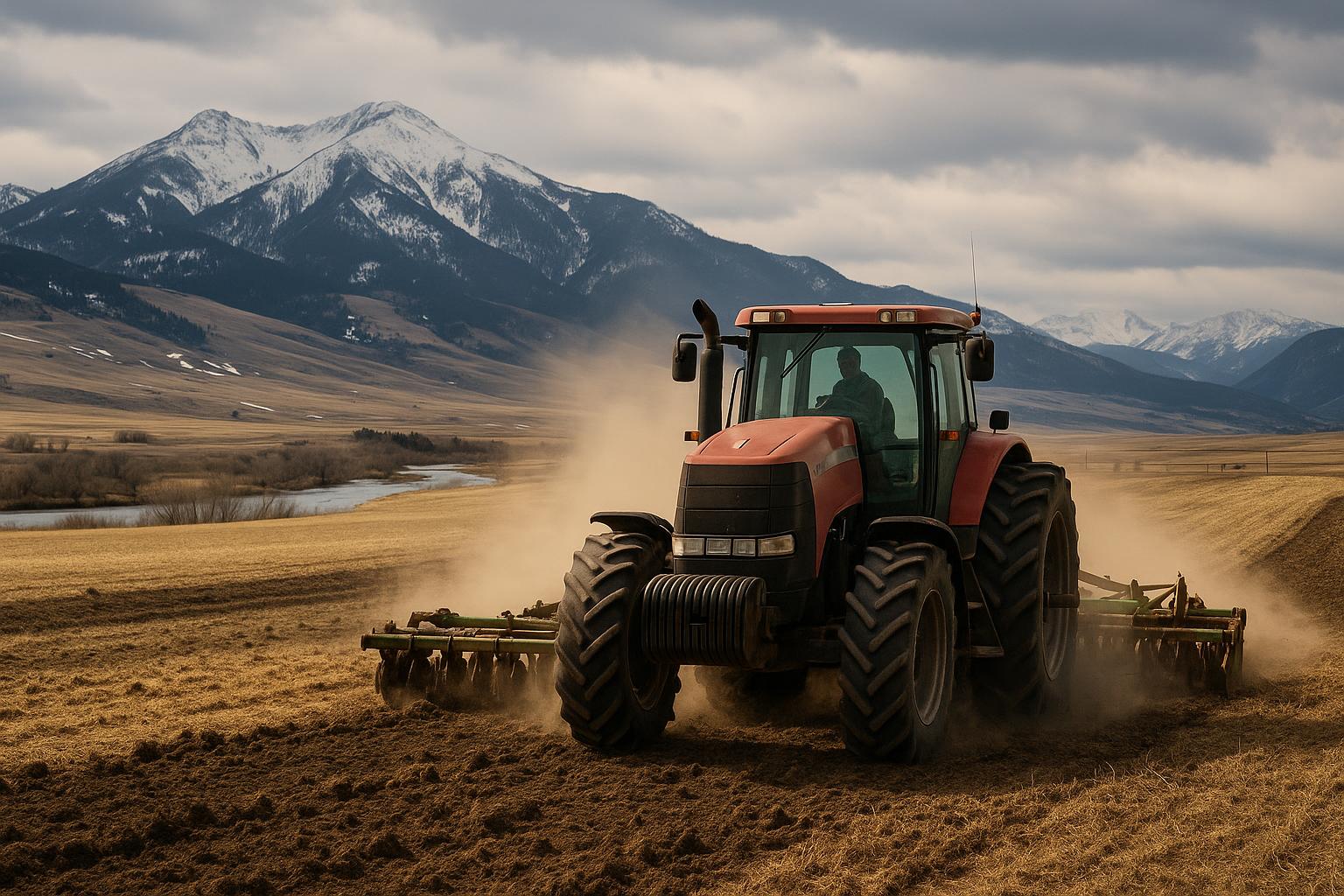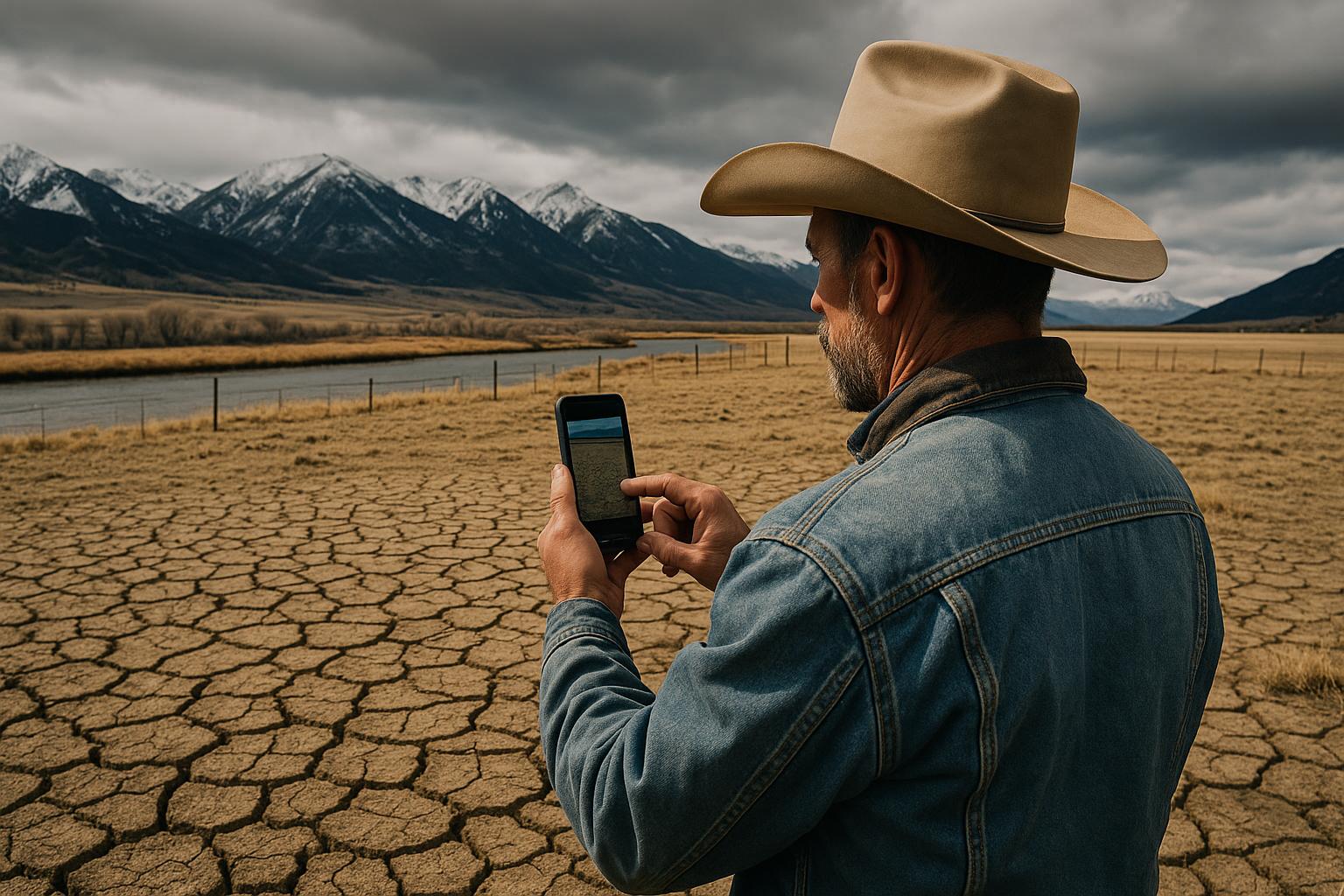
Reports out of the Western Corn Belt point to a drought pattern that isn’t letting up. That matters in Montana even if the worst of the dryness is centered farther east, because the Corn Belt drives national feed availability, freight flows, and price signals that reach every sale barn and hay stack in the state.
In recent seasons, Montana producers have learned the hard way that drought doesn’t have to sit directly over the Hi-Line or the Yellowstone Valley to squeeze a ranch budget. When the Corn Belt and Plains are short on moisture, the ripple effects show up in hay prices, byproduct feed availability, and cattle movement across the region.
Below is what’s being reported, why it matters here from the Bitterroot Valley to the Flathead, and what to keep an eye on as spring and summer weather decisions start stacking up.
What Happened
An ag meteorologist speaking to Brownfield indicates drought has been persistent in parts of the Western Corn Belt, with conditions deteriorating over recent months and no obvious, near-term shift toward widespread relief. That kind of outlook typically raises red flags for crop yield potential and pasture conditions in areas that supply a lot of the nation’s corn, silage, and feed ingredients.
It’s important to be cautious with any single forecast. Weather patterns can change quickly, and local outcomes depend on timing—one well-placed system can stabilize a crop or refill stock ponds, while a hot, windy stretch can erase a spring’s worth of moisture in a week. Still, when forecasters emphasize “ongoing” drought, markets tend to pay attention.
For Montana, the headline isn’t just “corn yields might be lower.” The bigger issue is how drought in major producing regions can tighten feed supplies and push costs higher for livestock producers everywhere.
Why It Matters to Montana Agriculture
Montana’s ag economy leans heavily on cattle, hay, and small grains. Many operations also rely on purchased feed—especially during tough winters, calving seasons, or when local hay is short. When drought threatens large feed-producing regions, it can affect Montana in several ways:
- Higher feed costs: Corn, distillers grains, and other feed inputs often track broader supply expectations. If drought trims production, prices can firm up even before harvest.
- More competition for hay: If neighboring states are short on forage, Montana hay can move out of state quickly, especially from areas with decent production. That can support prices for growers but strain buyers.
- Cattle market shifts: Drought can force earlier placements, lighter placements, or increased cow culling in affected regions. That can change feeder supplies and influence prices at Montana auctions.
- Freight and logistics: If feed has to move farther, trucking becomes a bigger part of the bill. Montana producers already pay a distance penalty on many inputs.
Regionally, the impacts can look different:
- Hi-Line: Dryland grain and hay producers watch moisture closely; if national feed prices rise, local grain values can strengthen, but drought at home quickly turns that into a feed shortage problem.
- Yellowstone Valley: Irrigated ground can buffer some forage risk, but water supply and allocation are the gatekeepers. A strong hay market can be good news—unless water or heat limits yields.
- Gallatin Valley: Horse hay and dairy-quality forage markets can feel price pressure when broader hay supplies tighten, and land competition keeps production costs high.
- Bitterroot and Flathead valleys: Smaller field sizes and mixed operations often rely on a combination of local hay and purchased feed; price spikes hit fast.
Feed, Hay, and the Cattle Check: How This Can Pencil Out
When drought becomes a headline in major crop regions, the first place Montana ranchers feel it is usually the ration. Even if you’re not feeding corn directly, corn prices influence:
- supplement costs
- cake and pellet pricing
- distillers grains availability and delivered cost
- backgrounding budgets and break-evens
Hay is its own market, but it’s tied to the same drought story. If the Plains and Corn Belt are short on forage or silage, more buyers start looking west. Montana hay can be attractive when quality is good and supplies are available, but freight sets the limits. In years when trucking is tight, “available hay” doesn’t always mean “deliverable hay at a workable price.”
On the cattle side, drought elsewhere can mean:
- More cows headed to town: Increased culling can pressure cull cow prices in the short run, then tighten supplies later.
- Feeder supply swings: If more calves are moved early due to poor pasture, fall runs can look different than expected.
- Backgrounding decisions change: When feed is expensive, fewer calves get held and more move straight into the pipeline.
None of these outcomes are guaranteed. But they’re the main pathways Montana operations should consider when drought news heats up in major production regions.
Water and Irrigation: Montana’s Local Wild Card
Montana’s drought story is often decided by snowpack, spring rains, and how quickly heat arrives. Irrigated producers in the Yellowstone Valley and other river systems can sometimes maintain hay tonnage during regional droughts—if water deliveries hold and pumping costs don’t jump.
Producers should keep close tabs on basin-specific updates and irrigation district communications. For general statewide context, the U.S. Drought Monitor’s Montana map is a useful snapshot, and the NOAA climate outlooks can help frame temperature and precipitation probabilities. Those tools don’t replace local knowledge, but they can help explain what markets may be reacting to.
What This Means for Montana Ranchers and Farmers
If drought concerns persist in the Western Corn Belt, Montana producers should think in terms of risk management and timing—not panic.
- Hay buyers: Start price-checking early, and don’t assume last year’s sources will have the same inventory. If you rely on purchased hay, consider lining up tonnage before summer weather fully declares itself.
- Hay growers: Stronger demand is possible, especially for consistent, tested quality. Watch freight and out-of-state inquiries, and keep an eye on local needs—your best long-term customers are often nearby.
- Cow-calf operators: Revisit drought plans now: turnout dates, pasture rotation, and trigger points for early weaning or marketing. If you have flexibility, it’s easier to act before pastures are overgrazed.
- Backgrounders and feeders: Keep rations and break-evens current. If corn and supplements climb, the market may not immediately pay you back in feeder prices.
- Dryland farmers: If national feed grains tighten, price opportunities can improve—but only if you have a crop to sell. Moisture conservation and weed control remain the unglamorous profit drivers.
Across the Bitterroot Valley, Gallatin Valley, Flathead Valley, the Hi-Line, and the Yellowstone Valley, the common thread is this: drought in a major production region can change the cost structure in Montana, even when local conditions are average.
What to Watch Next in Montana Agriculture
- Montana precipitation and heat patterns (next 30–60 days): A warm, windy spring can pull moisture out fast. Watch how quickly range conditions change, especially on lighter soils and south-facing slopes.
- First-cut hay yields and quality: Early reports from the Yellowstone Valley and other irrigated areas will shape expectations. In the valleys, timing of cutting windows matters as much as total moisture.
- Stock water and pasture conditions: Pay attention to stock pond recharge and creek flows. When those slide early, grazing plans tighten.
- Feed ingredient pricing: Track corn, distillers, and supplement quotes. Even small moves can add up when you’re feeding for 60–120 days.
- Cull cow and feeder trends at Montana auctions: If drought-driven movement increases in other states, it can influence the flow of cattle and buyer appetite here.
- Trucking availability: Freight can be the hidden limiter. If hay starts moving long distances, trucking rates and availability can change quickly.
Montana producers can’t control the Corn Belt’s weather, but they can control how early they gather information and how clearly they set decision points. In a year when drought talk is building, speed and flexibility often matter as much as rain.
Inspiration: brownfieldagnews.com