Right now the grass is still green in a lot of the state, and fire feels like somebody else’s problem. That’s exactly the window to get ready. By mid-July the fine fuels cure out, the afternoon thunderheads start throwing dry lightning, and a strike on a ridge can be a running fire before anybody smells smoke. The ranches that come through a bad summer in decent shape are the ones that did the boring prep in June.
Fire on grass moves differently than timber fire. It runs fast, it’s driven by wind more than fuel, and it can lie down at night and come back the next afternoon. You’re not going to stop a wind-driven range fire with a pickup and a shovel. What you can do is keep a small start small, protect your buildings and your cattle, and not lose people or equipment to a bad decision made in a hurry.
Cut your firebreaks and clean up the yard now
The most useful thing you can do to a set of buildings is give fire nothing to burn as it comes in. Mow or disk a break around the house, the shop, the hay stacks, and the corrals while the ground still works easy. Grass right up against a stack yard is an invitation. Move the diesel barrel and the propane tank clear of tall weeds. Haul off the old lumber pile and the dead branches you’ve been meaning to burn.
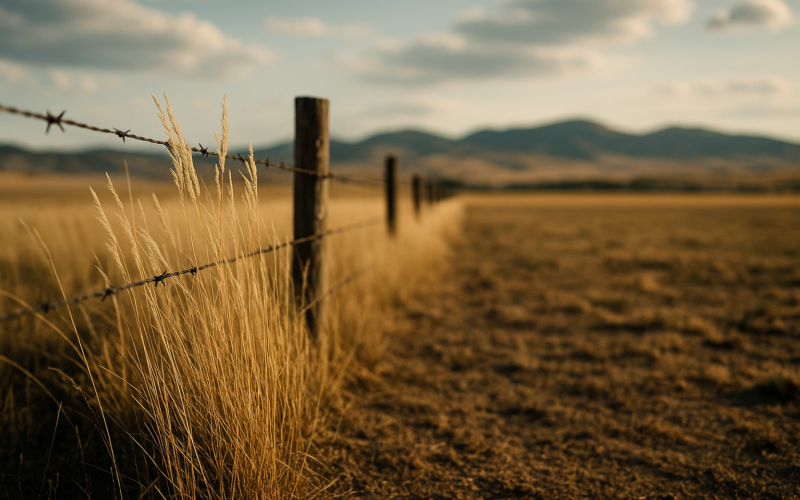
Out on the range, know where your natural breaks are—county roads, plowed fields, creeks, two-tracks you can widen with a disk in an afternoon. If you’ve got a big block of country with one way in and out, that’s worth thinking hard about now, not when a fire’s between you and the gate. A disked strip a few passes wide along a fence line or a road can be the difference between a fire you stop and one that jumps into the next section.
Overgrazed spots aren’t all bad here. A pasture that’s been grazed short carries fire poorly. That’s not a reason to hammer your grass, but if you’re planning where to hold cattle during high fire danger, the shorter, heavier-used ground near facilities is safer than a rank meadow that hasn’t seen a cow all spring.
Keep water and iron ready to go
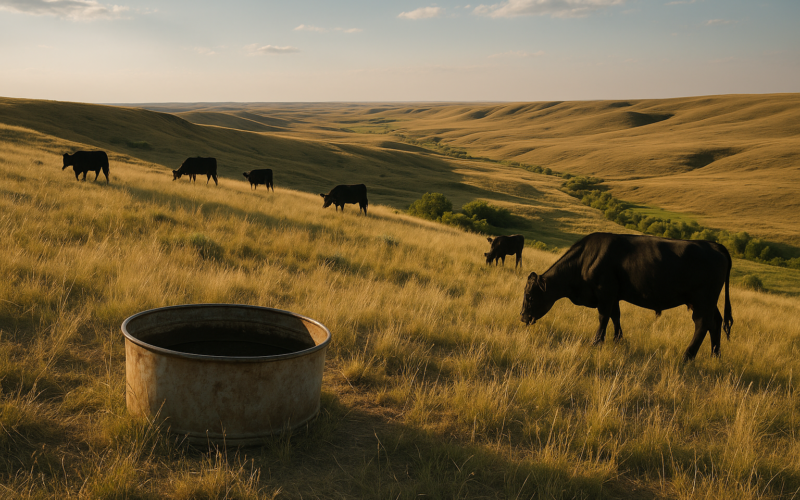
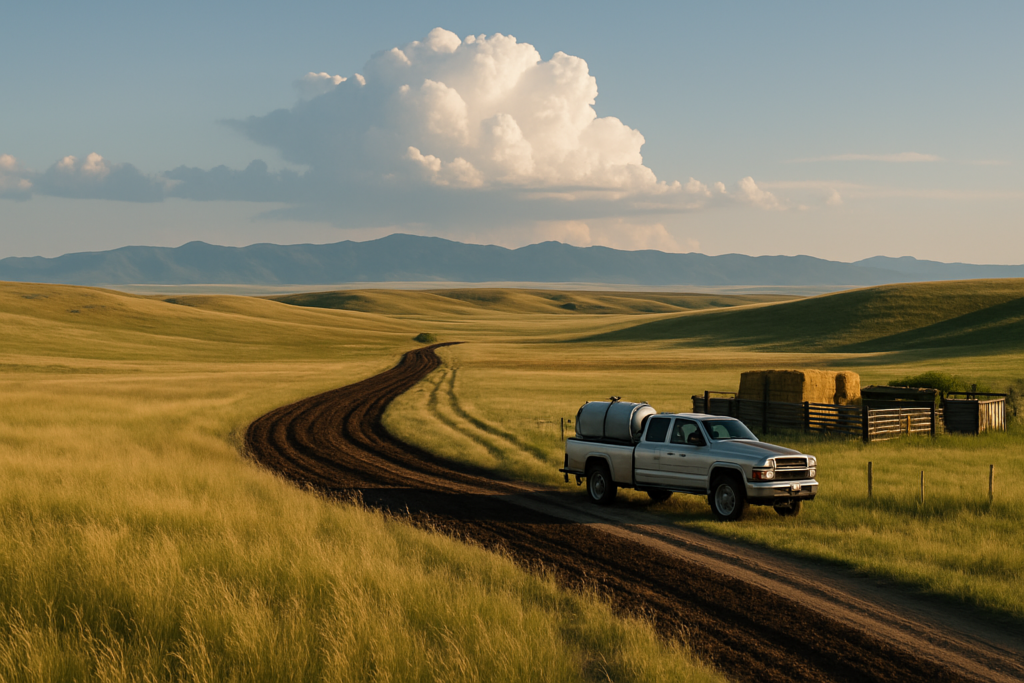
A slip tank in the back of a pickup, full, with a working pump and a hundred feet of hose, will put out more small starts than any amount of good intentions. Check that the pump actually runs before fire season, not the day you need it. If you’ve got a stock tank or a pond you can draft from, know it. A water truck or a nurse tank parked where you can grab it fast is cheap insurance.
Keep a shovel, a wet burlap sack or two, and a good fire swatter in every rig. Most range fires that get caught early get caught by the guy who happened to be there with a shovel in the first ten minutes. Fuel your tractor and hook up a disk or a plow you can drop quick. A tractor and disk cutting line ahead of a grass fire has saved a lot of country.
Have your equipment where you can reach it. Swathers, balers, and a full fuel truck parked in tall grass are just more fuel. Once you’re haying, be aware that a rock strike off a mower or a hot bearing can start the very fire that burns your crop. Carry water on the haying equipment and check bearings when you grease.
Have a plan for the cattle and the people
Decide ahead of time where cattle go if a fire pushes toward them. Cattle in a green, grazed-down pasture with water are safer than cattle in tall cured grass. Don’t bank on outrunning fire with a herd—if it’s close and moving, cutting a fence and letting them scatter onto burned or bare ground beats losing the whole bunch bunched up against a fence corner. A cow will find her own way out better than you’ll trail her in smoke.
Talk to your neighbors before the season. Know who’s got a water truck, who’s got a dozer, who’s home during the day. When a fire starts, a couple of ranches working together with iron and water stop things a single outfit can’t. Report a start early and don’t be too proud to call it in—a fire that looks little from your yard can be a mile wide by the time an engine gets there.
Know when to quit. Grass doesn’t grow back if it burns, but it grows back. People and equipment lost in a fire nobody was ever going to stop are gone for good. Set that line in your own head now, while you’re calm, because you won’t think clearly with the wind up and smoke in the draw.