By the time you’re moving pairs to summer range, the horse gets asked to do more in a week than he did all winter. He stood in a bunch on a hay ground from November on, put on a gut, and lost every bit of the hard muscle and tough foot he had last fall. Then one morning in June you throw a saddle on him and ride a twelve-mile circle to gather a rough pasture. That’s the ride where things go wrong.
None of it is the horse’s fault. He’s soft because you let him get soft. The fix isn’t complicated, but it takes a couple of weeks you have to actually spend before you need him, not after.
Legs and wind don’t come back in a day
A horse off winter pasture has soft tendons, a soft back, and no bottom to him. Ask for a long, fast circle in the hills the first day out and you’re loading the very tissue that hasn’t carried weight in months. Bowed tendons, sore backs, and horses that quit on you halfway home all start right there.
Bring him back the way you’d bring back anything that’s been sitting. Short rides first, mostly walking, over the kind of ground you’ll be working. Add distance and hills before you add speed. Two weeks of that puts real condition on a horse, and it puts wind in him so he isn’t blowing and stumbling on the last mile. If you know branding and turnout are coming, start legging horses up in May, not the morning you need three of them saddled.
Watch the back especially. A fat horse that’s been idle carries a saddle differently than the same horse hard and fit. A pad that fit in October can bridge or pinch now. Feel along the withers and loin after you unsaddle. Dry spots in the sweat pattern, flinching when you set the saddle down, a horse that humps up or won’t stand to be cinched — those tell you the saddle isn’t sitting right on the body he has today.
Feet, cinch, and the wet-to-dry problem
A hoof that spent the winter in mud and manure comes into June soft and often overgrown. Then the ground dries and hardens fast, and a soft foot on hard, rocky Montana ground bruises and abscesses. Get feet trimmed and, if you’re riding rock, shod before the work starts. A horse that comes up dead lame on the far side of the pasture is a long walk home and a wrecked day.
The cinch area is the other spot that quits early. A soft-skinned horse that hasn’t worn a cinch in months will gall behind the elbow on a long sweaty ride. Keep the cinch and pad clean, cinch up gradually rather than jerking him tight all at once, and check the girth line when you pull the saddle. A raw cinch sore takes weeks to heal and there’s no riding that horse in the meantime.
Feed and water for a horse suddenly working
A horse coming off grass and going straight into hard work needs water and salt more than he needs grain. On a hot June day a working horse sweats out a lot of fluid and electrolyte, and a gut full of green grass and water is different than one running on grain. If you do grain a horse, don’t dump a big feed into one that’s been idle and then work him hard the next day — that’s how you set a horse up to tie up, cramping and stiff in the hindquarters. Keep grain modest until the work is steady, and make sure loose salt is in front of him.
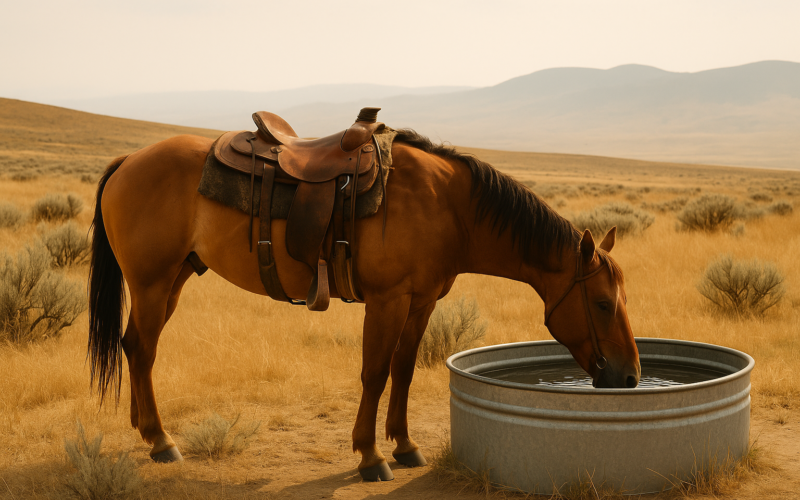
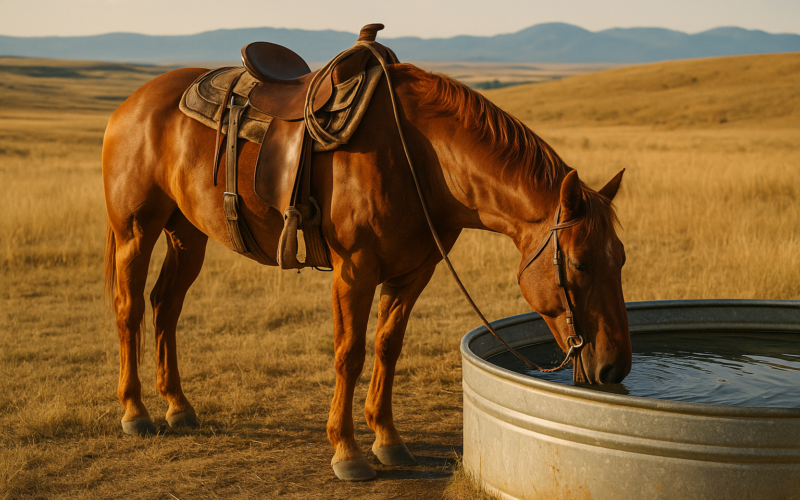
Let him drink at the creeks and tanks you cross. A horse that comes home gaunt, tucked up, and won’t eat has been asked to spend more than he had. Watch a hard-worked horse for colic that evening, too — a big change in exertion and feed on the same day is a setup for a bellyache.
The pattern is simple enough. The condition, the feet, and the fit are things you build in the two weeks before the season, when there’s no pressure. Skip that and the horse still gets the work — he just breaks down doing it, and then you’re short a horse right when you need every one you’ve got.