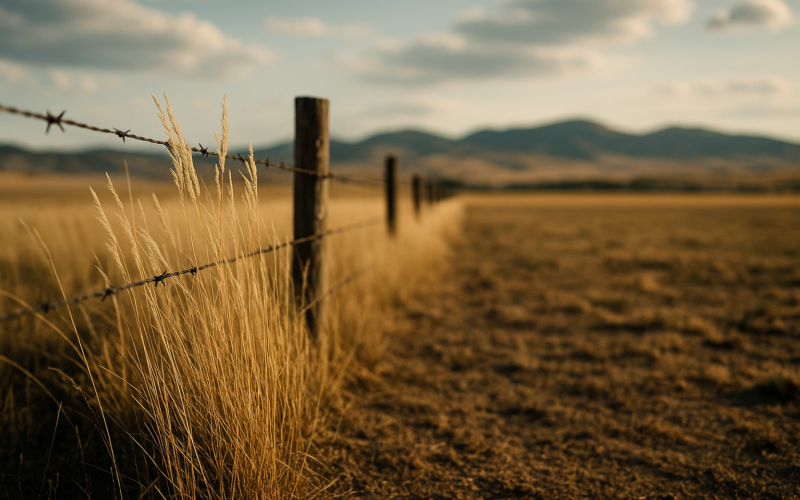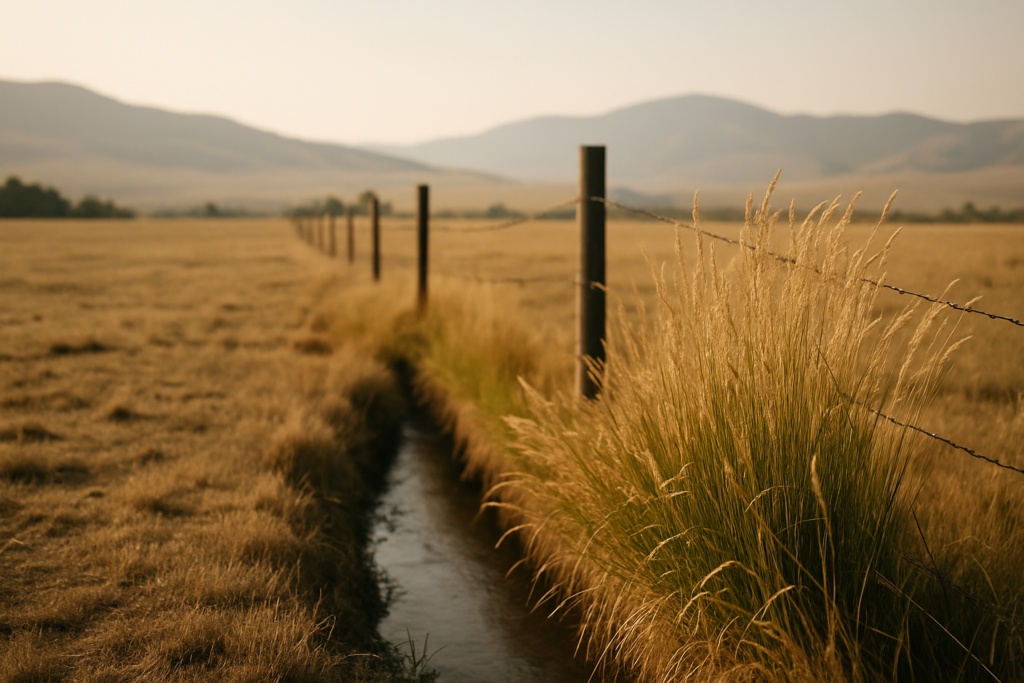
Walk a fence line in mid-June and kick through the tall grass along the ditch bank. If little wingless hoppers scatter off your boots by the dozen, pay attention. That’s the hatch, and where you find it now tells you where the trouble starts.
Grasshoppers don’t come out of nowhere. The eggs went into the ground last summer and fall, laid in undisturbed dirt — road edges, fence lines, the weedy margins of a pasture, the shoulder of a county road. A warm, dry spring pushes them along, and by June the nymphs are hatching in those same spots. They can’t fly yet. That’s the part worth remembering, because it’s the only window where you have any leverage.
Scout the edges, not the middle
A young grasshopper eats less than a grown one, but it’s also easy to kill and it isn’t going anywhere fast. Later, once the wings harden, a hopper can move a quarter mile in a day and reinfest ground you just treated. So the scouting you do now matters more than anything you do in August.
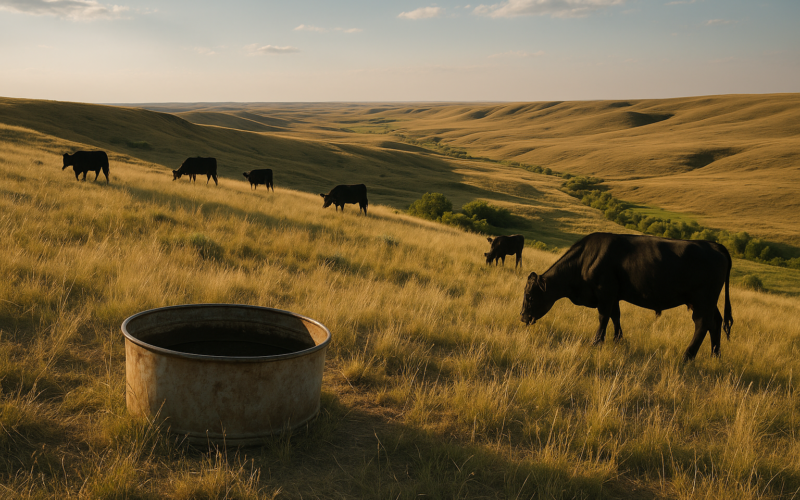
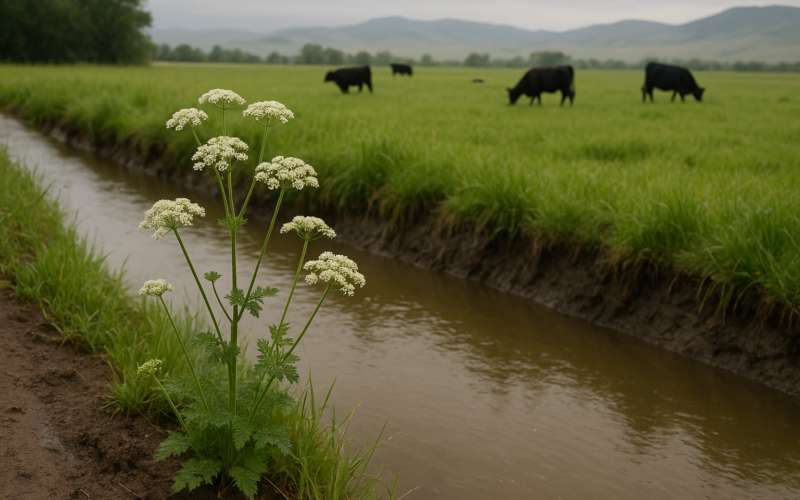
Go to the places eggs get laid and grass is thick — ditch banks, headland strips, fence corners, the untilled ground around a stock tank. That’s where the population builds before it spreads into the field. Pace off a square yard, stand still, and count what jumps. Do it in several spots. You’re not looking for a precise number so much as a trend: a handful per square yard along the margins is worth noting, and a margin that’s crawling while the field interior is still clean tells you exactly where to spend your money.
Warm mornings are best for counting. Cool, cloudy days keep them down in the grass where you’ll walk right past them and underestimate what you’ve got.
Treat the band while it’s still a band
The reason edge scouting pays is that nymphs concentrate before they disperse. A strip treatment along the infested margins — leaving untreated ground between passes — can knock the population down while it’s still bunched up and cheaper to reach. Once they’ve fanned out across the whole pasture and taken flight, you’re spraying acres you didn’t need to and chasing a moving target.
A few things to keep straight if you go that route. Read the label for the grazing and haying restrictions before you mix anything; some products keep cattle off treated forage for a set period, and cutting hay off sprayed ground has its own rules. Time the application for when the hoppers are actively feeding, not hunkered down in cool weather. And know that a heavy rain right after can undo the work.
If the count is light and the grass is holding, you may not need to do anything at all. The mistake runs both directions — spraying a population that was never going to hurt you, and ignoring one that’s about to strip a summer pasture down to dirt. The count and the calendar tell you which situation you’re in.
What a bad year does to your grass budget
Grasshoppers and cattle eat the same thing. In a dry year, when the range is already short, a heavy hatch is a second set of mouths on grass you were counting on to carry cows through August. They clip forage down to the crown, work over the alfalfa on a hay field, and in a real outbreak they’ll strip a fence line bare and keep moving.
The damage sneaks up on you the same way overgrazing does. You look at a pasture in late June and it seems fine. By the time you notice it’s chewed down, the hoppers are grown, they can fly, and your treatment window closed weeks ago. Then you’re left short of feed with the hottest part of summer still ahead, and your only moves are hauling cows home early or buying hay you didn’t budget for.
Dry springs tend to be grasshopper springs — the same weather that hatches them fast is the weather that leaves you thin on grass to begin with. That’s the year to be out walking the edges instead of hoping they thin out on their own.
Talk to your neighbors, too. Hoppers don’t honor a fence, and a heavy population on the place next door will walk onto yours once the grass gets short over there. County weed and extension folks usually have a read on how the season’s shaping up and what’s showing up in your area. The point is to know what you’ve got before it flies. Once it has wings, you’re just watching.