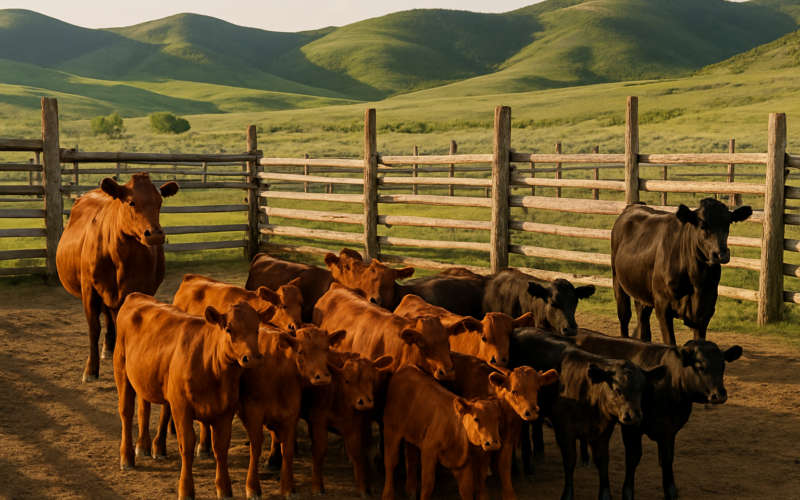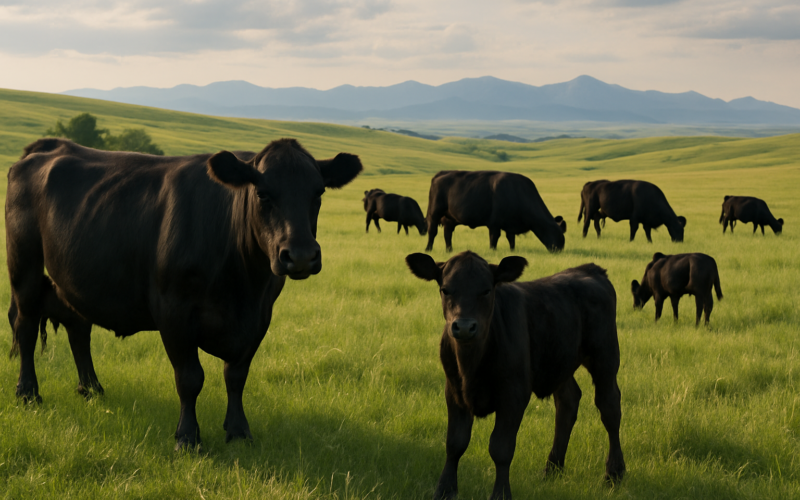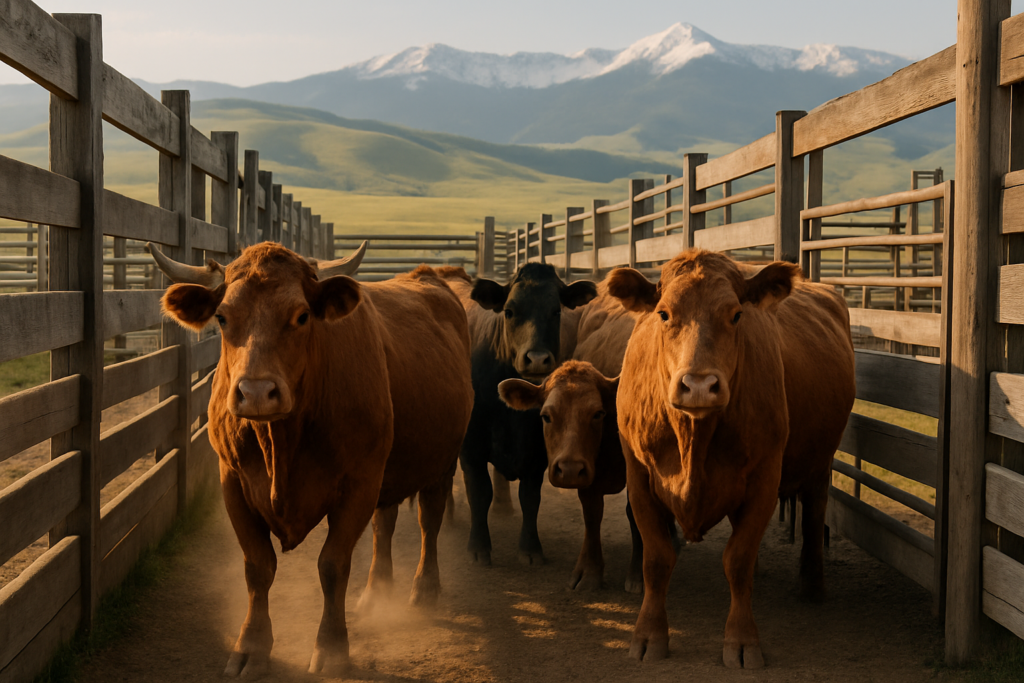
Every outfit has a few. The cow with the cancer eye you kept meaning to look at closer. The one with a bag hanging half to the ground that raised a light calf. The broke-mouth that came up open at preg check and you turned back out anyway because it was cold and the truck was full. They’re all out on grass right now, eating the same feed as your best cows and paying you nothing for it.
June is a good time to catch up on that sorting. The cows are in about as much flesh as they’ll carry all year, the grass is going into them fast, and the cull market usually hasn’t hit its fall low yet. Wait until you ship calves and everybody in the county backs a load of old cows into the same sale ring, and you’re selling into the softest cull prices of the year.
Know which ones are actually done
A cull isn’t just an old cow. Age alone doesn’t cull a cow that’s still sound and breeding. What you’re looking for is the ones that won’t pay their way another year, and most of them tell on themselves if you watch.
- Bad bags. A quarter gone, a broken-down udder, teats a newborn calf can’t get on. She’ll wean a lighter calf every year and eventually won’t get one started at all.
- Bad mouths. A broke-mouth or smooth-mouth cow can’t hold condition on winter feed the way a solid cow does. She’ll be the thin one in March no matter how much hay she stands in.
- Bad eyes. Cancer eye only gets worse, and packers dock or condemn heads that are too far gone. Catch her while she’ll still grade and load.
- Opens and lates. The cow you preg-checked open, or the one that calves dead last every year and drags your calving window out.
- Disposition. The one that hunts you in the corral, tears down panels, or teaches every heifer near her to be wild. That’s a cull, and you already know her by name.
If you didn’t preg-check last fall, some of these you can’t sort perfectly until you do. But the physical culls — bags, mouths, eyes, feet — you can see with the cows standing in the alley on any given day.
Fat now beats thin in November
A cull cow sells on weight and on the going price per pound, and the two don’t always move the same direction. Right now she’s slick and gaining on green grass, so her weight is working for you. Carry her to fall and one of two things happens: either she keeps grazing feed that a productive cow should be turning into a calf, or the country dries up and she starts losing flesh right when the cull market is flooded with everybody else’s culls.
The old cow that grades well fleshed in June can bring more per pound than the same cow thin and rough in late fall, and she weighs more too. You don’t need a chart to see which end of that deal you want to be on. Feed isn’t free even when it’s growing on its own — every day a done cow spends on grass is a day that grass didn’t go toward a bred cow, a growing calf, or a replacement heifer.
There’s a flip side worth naming. A thin cull cow that’s basically healthy will sometimes gain enough on summer grass to be worth more later, and if you’ve got surplus grass and a light stocking rate, holding her a while can pencil. That’s a real calculation, not a reason to ignore all of them. The trap is the cow that isn’t gaining — the broke-mouth, the bad-footed, the cancer-eye — those don’t get better with time and only lose value.
Ship them right
However you market culls, a few things protect the check. Mind withdrawal times on anything you’ve treated so she’s clean when she goes. Load cows that can travel — a cripple or a downer costs you at the plant and is hard on everybody. Sort your cull bunch by condition and type if you’re hauling several, because mixed loads get sorted and discounted at the ring anyway.
None of this is complicated, and that’s the problem — it’s easy to put off. The cow that’s been on your cull list since last November is still out there this June, still eating. Grass is the one thing you can’t buy more of once it’s grazed. Every day a done cow spends on it is a day it didn’t grow you a calf.