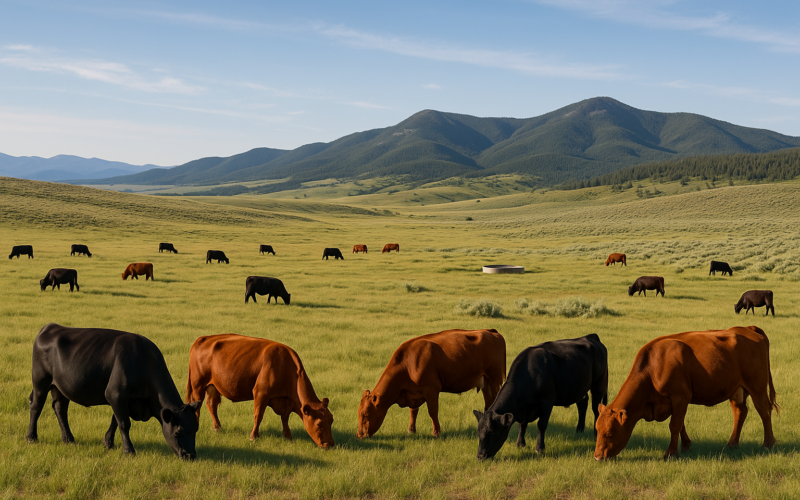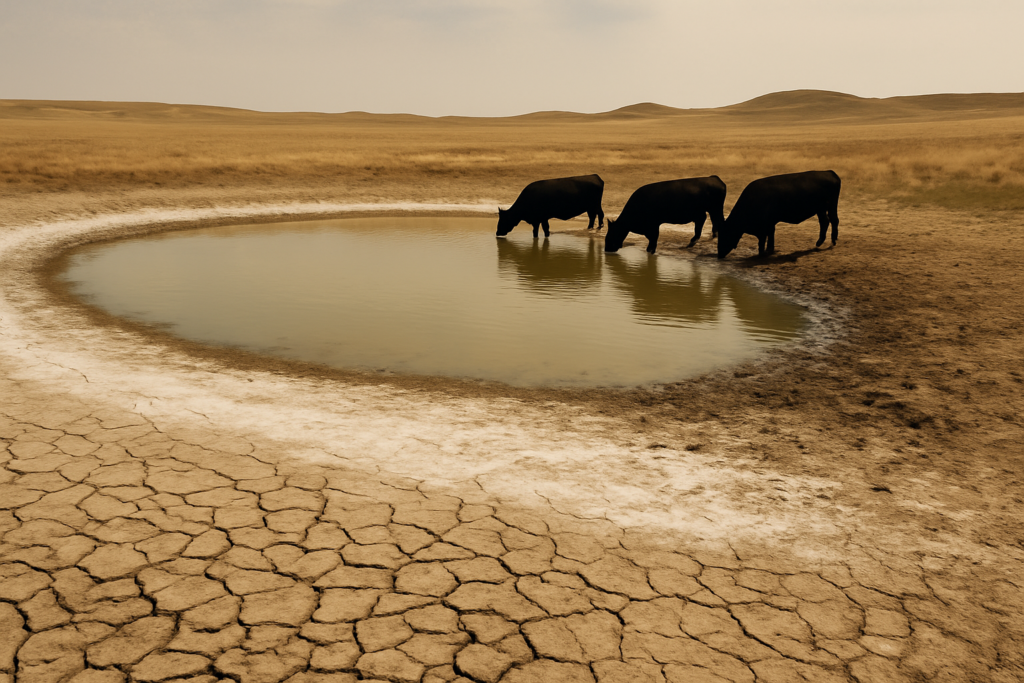
A stock dam that watered cows fine through May can go bad in ten days of heat and wind. Nobody adds anything to it. The water just gets smaller. Every gallon that evaporates leaves its salts behind, and by late June the dam that ran sweet all spring is holding water two or three times as concentrated as it was at runoff. Out on the alkali country east of the Missouri, and in a lot of the closed prairie basins where a dugout is the only water for a section, that concentration is mostly sulfate — and sulfate is the one that quietly costs you.
It rarely announces itself. Cows don’t fall over the day the level drops. What you get first is cattle drinking less than they should in the heat, walking off water they’d normally clean up, and hunting shade earlier in the day. Calves stop filling out. You chalk it up to flies or a slump in the grass. Then one morning there’s a yearling standing spraddle-legged at the waterline, blind, pushing its head against a post, and you’re looking at something that started weeks before you noticed anything at all.
What Sulfate Actually Does to a Cow
High-sulfate water hurts cattle two ways. The first is simple: they don’t like the taste, so they don’t drink enough. In 90-degree weather a dry cow needs a lot of water, and a lactating cow needs more. Cut her intake and you cut her feed intake right behind it, because a cow won’t eat dry summer grass she can’t wash down. Gains flatten. Bred cows lose condition heading into the part of summer when they can least afford it.
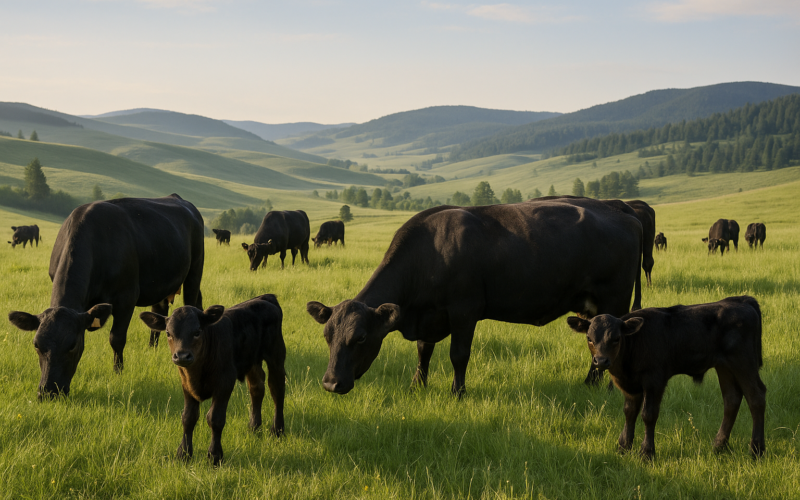
The second way is meaner. Rumen bugs turn sulfate into hydrogen sulfide gas, and enough of that gas interferes with thiamine — vitamin B1 — which the brain runs on. Starve the brain of thiamine and you get polioencephalomalacia, what the old-timers call blind staggers or brainers. The animal goes blind, staggers, presses its head into fences and dirt banks, trembles, and eventually goes down and paddles. It hits growing calves and yearlings hardest because they’re drinking relative to their size and their rumens are cranking. Caught early, a shot of thiamine from your vet can turn one around. Found down in the draw the next morning, usually not.
The Dam Tells You, but You Have to Look
You can read a lot off the water itself before it reads off your cattle. A white or yellowish crust building up on the mud at the edge of a shrinking dugout is salts drying out — that’s your warning the whole pond is getting stronger. Water that smells like rotten eggs is putting off the sulfide gas already. When the level drops to where cattle are standing in it to drink, they’re stirring bottom mud and drinking the most concentrated, warmest water in the hole.
The only way to actually know is to test it. A water sample run for total dissolved solids and sulfate costs little and tells you exactly what your cows are drinking. Worth doing early in the season on every dugout and dam you’re counting on, and worth re-testing the ones that are dropping fast in a dry spell — because the number climbs as the water shrinks. Your county Extension office can point you to a lab and help you make sense of the results. A pond that tested fine in May is a different pond in July.
Getting Cattle to Better Water
Once you know a source is loaded, the fix is water, not medicine. If you’ve got a well, a spring, or a tank you can pipe or haul to, giving cattle a cleaner option pulls them off the bad dam on their own — they’ll choose the better-tasting water when they have the choice. That’s the whole game: give them somewhere else to drink. Fencing off a dying dugout and moving the bunch to a pasture with live water is cheaper than doctoring brainers and a lot cheaper than burying them.
If the only water in a pasture is a marginal dam, keep a close eye as it drops and don’t ride it out hoping for rain. The last third of a dugout is the most dangerous third. Yearlings and pairs on a single high-sulfate source through the hottest part of summer are the setup that fills the fewest cows come preg-check and leaves the lightest calves on the truck.
Sweet spring runoff and alkali July water can be the same hole in the ground eight weeks apart. Know which one your cows are standing in.