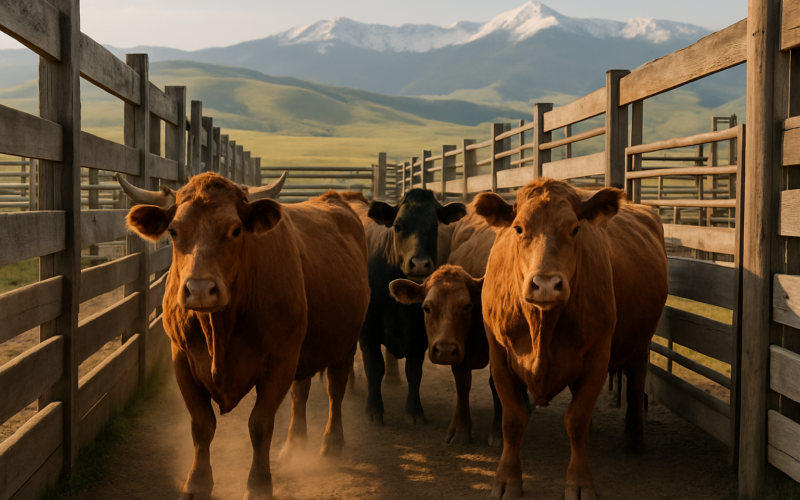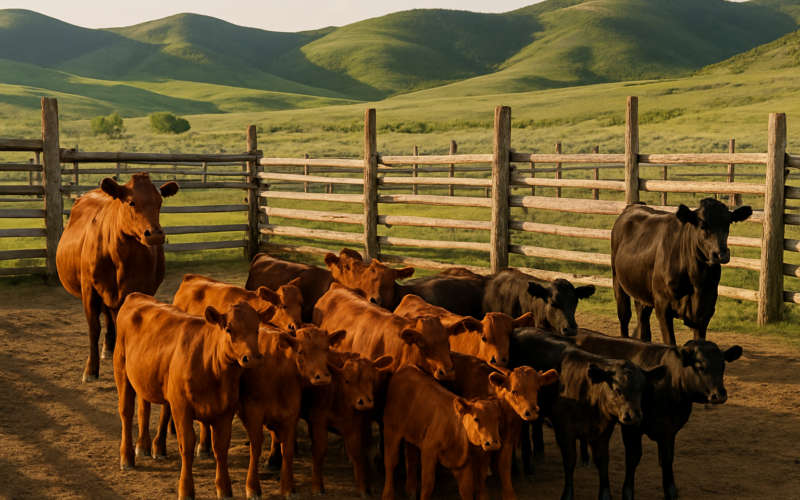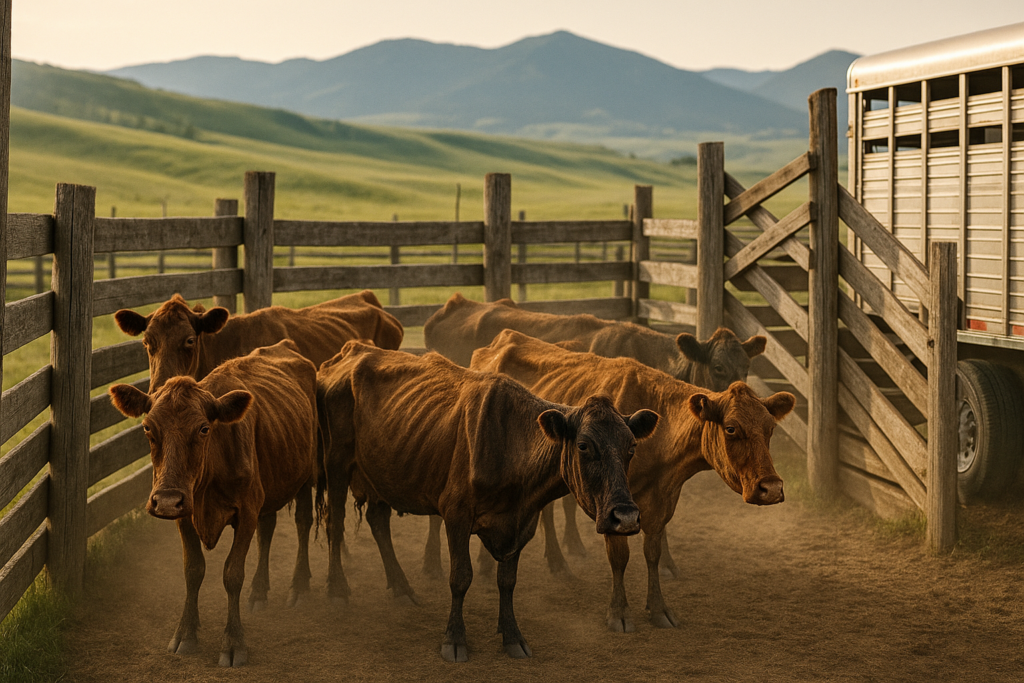
You already found most of them at branding. The cow with the swollen quarter that half her calf couldn’t nurse. The one with the weepy, cloudy eye that’s headed for cancer. The gummer who’s a rib shy of the rest of the bunch and won’t catch up on grass. The old girl who came up open last fall and got one more chance she didn’t earn. They’re standing in the corral right now, or you sorted them into the sick pen and turned the rest back out.
The mistake is leaving those cows in the herd until fall and hauling them to town in the same load as your calves. By then every rancher in the country is shipping culls, the sale barns are backed up, and the price on a cow reflects it. Cull cow markets tend to sag when everybody’s selling. Early summer, before that flood starts, is a different market. Sorting these cows off now instead of dragging them along all summer is one of the cleaner decisions you’ll make this year.
Decide who’s really a cull, then quit feeding her
Every cow you keep on grass this summer is eating feed you could be banking for the ones that pay. A cow that won’t breed back, can’t raise a calf, or is going to break down before fall isn’t earning her pasture. The hard part isn’t spotting them. It’s admitting a good cow’s time is up.
Run through the obvious cuts. Opens from last fall’s preg-check that you kept for one more calf and shouldn’t have. Cows with a bad bag—a blind quarter or a pendulous udder her calf can barely reach. Broken mouths that can’t hold condition. Bad feet, bad disposition, the chronic prolapse. And the cancer eye. If that eye is already involved and draining, the packer will dock her or condemn her, and every week it gets worse. That’s a cow to move soon, not one to watch.
Once you’ve named them, stop treating them like breeding stock. They’re inventory now, and the clock is running on their value.
Not every cull ships the same week
There’s a split worth making. Some of these cows are ready to go straight to town—the cancer eye that’s advancing, anything that’s suffering, the cow so thin she won’t gain no matter what you do. Get those on a trailer while the market’s still decent. Waiting doesn’t help them or you.
Others are just thin, sound, and hollow. A dry cow or a shelly older cow with a good mouth and no health problem can put on weight fast on June grass or in a lot on cheap feed. A thin cow in low body condition has room to grade up before she ever leaves. If you’ve got the grass and the water, running those cows another few weeks to add flesh can move them into a higher weight and often a better price slot. You’re selling pounds, and a gaunt cow has pounds to add cheaper than almost anything else on the place.
The catch is honesty about which is which. A cow that’s thin because she’s old and worn out won’t respond. A cow that’s thin because she raised a big calf and milked hard will. If you’re not sure, watch her a couple weeks. If she’s not gaining, ship her.
Sell them clean and sell them right
A few things add money for very little effort. A cull cow with a healed, dry eye brings more than one with an open, running sore, so if you catch a cancer eye early enough that removal makes sense, that’s a decision to weigh with your vet. Mind withdrawal times on anything you treated at branding before a cow goes on the truck. And know how your local barns handle cows—some run a dedicated cow-and-bull sale where culls don’t get lost behind a run of calves, and a cow sold into that crowd often does better than one dribbled through a fall calf sale.
Weigh the hauling too. If you’re already making a trip to Billings or Miles City, adding a few culls to the load spreads the freight. Hauling four cows on their own eats into what they bring.
None of this is complicated. It’s mostly about not letting these cows ride along by default until the fall run drags the price down with everyone else’s. You’ve already done the work of finding them. Sorting them off, feeding up the ones that’ll gain, and marketing them into a thinner summer market turns a pen of problems into a check while the checking’s good.