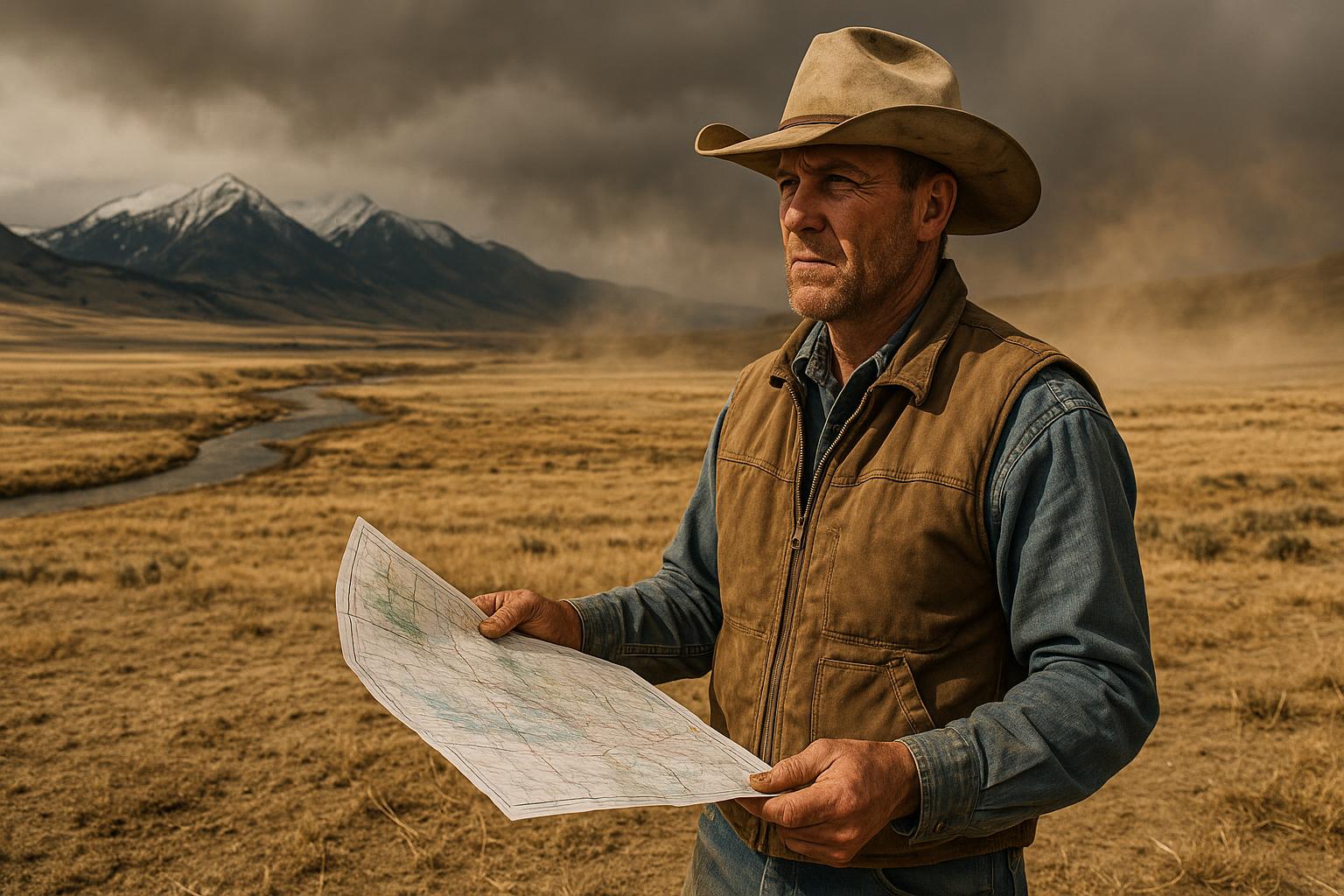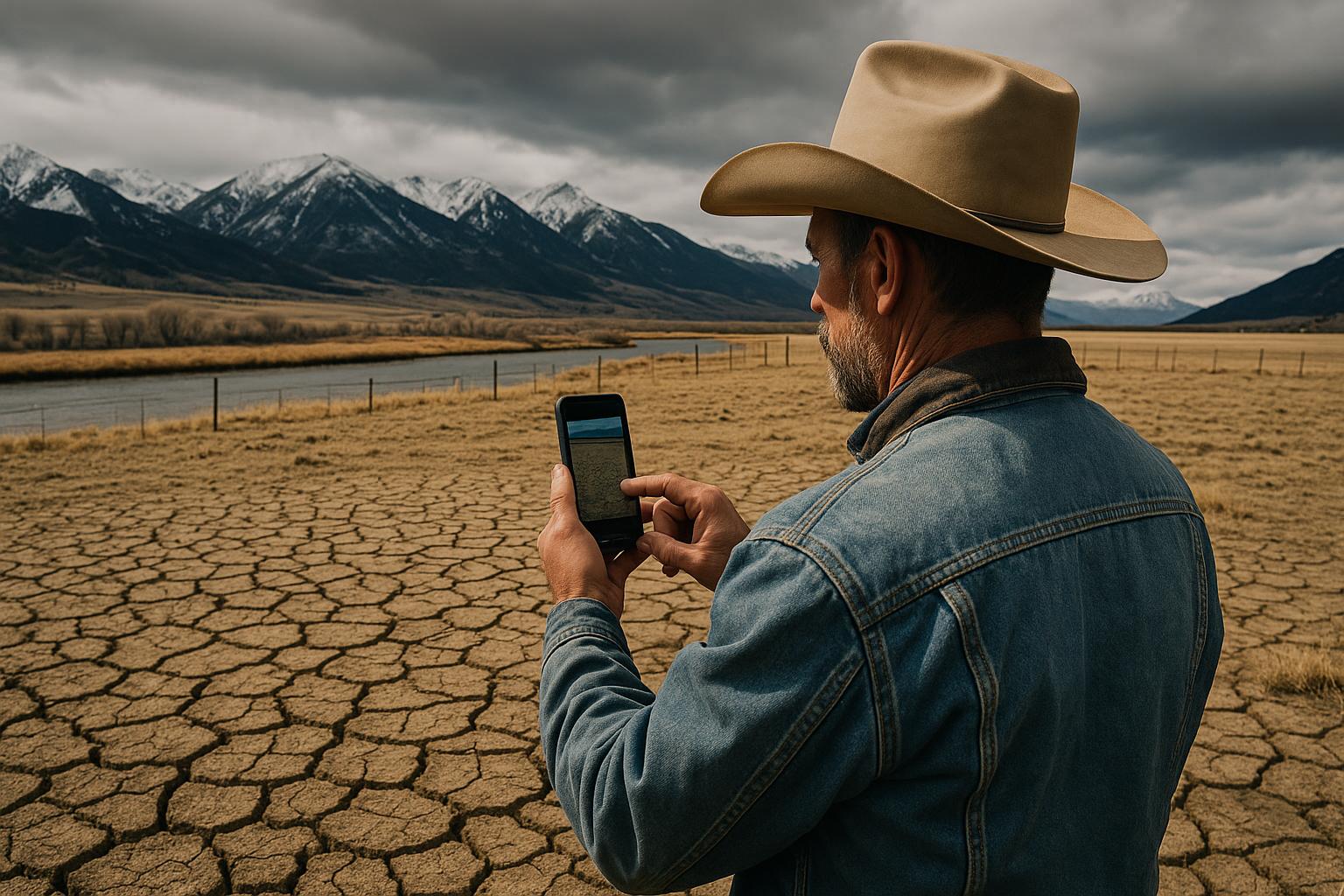
Montanans know the routine: buy a license, print it or save it to your phone, and head for the river, the mountains, or the prairie. But a recent state audit suggests the technology behind Montana Fish, Wildlife & Parks (FWP) licensing operations may be older than many of the hunters and anglers using it—and that age can come with real-world risks.
Reports indicate auditors found the state’s licensing platform relies on legacy systems and processes that can be difficult to maintain, harder to secure, and more prone to disruption than modern, well-supported tools. The findings land at a time when demand for online services is only growing, from nonresident big-game applicants to locals buying a last-minute fishing license before a weekend float.
FWP has not been alone in wrestling with aging IT. Across state government, legacy systems can linger because replacing them is expensive, complicated, and disruptive. Still, licensing is one of the most public-facing services FWP provides—and it’s tightly tied to conservation funding and public trust.
Why licensing tech matters in Montana
Licenses are more than paperwork. They’re the gateway to opportunity and the backbone of how Montana funds wildlife management.
- Revenue and conservation: License sales help pay for habitat work, access programs, enforcement, and management. If systems fail at peak times, it can affect cash flow and planning.
- Fairness and compliance: Hunters and anglers need reliable records, especially during draw deadlines, preference point purchases, and field checks.
- Data integrity: Licensing systems store sensitive personal information and transaction records. Older platforms can be tougher to patch and monitor.
FWP’s licensing services intersect with other state and federal requirements, too—payment processing, identity checks, and reporting. When technology is dated, even routine changes can become slow and costly.
What the audit appears to be saying
Based on reports about the audit, the central message is straightforward: the licensing system is in need of modernization. While the full technical details can be dense, the practical concerns tend to fall into a few buckets:
- Security and risk management: Auditors often look for gaps in access controls, patching schedules, monitoring, and incident response planning. Legacy systems can make it harder to meet current best practices.
- Reliability: Older technology can be more vulnerable to outages, especially during high-traffic periods like application deadlines and the spring rush for fishing licenses.
- Maintainability: Some legacy platforms depend on specialized knowledge that’s harder to hire for, or on vendor support that may be limited.
- Business continuity: If key components fail, agencies need clear backup and recovery plans to keep services running.
It’s worth noting that an audit typically identifies risk and areas for improvement; it doesn’t necessarily mean a breach or failure has occurred. The concern is the exposure: what could happen if the system is stressed, attacked, or simply reaches the end of its usable life.
How hunters, anglers, and landowners could feel it
Most people only notice licensing technology when it doesn’t work. If modernization lags, the impacts are often indirect but frustrating:
- Slowdowns at the worst times: Think deadline day for big-game applications, or the first warm weekend when everyone decides to buy a fishing license at once.
- Customer service bottlenecks: When systems are clunky, more people end up calling regional offices or license providers for help.
- Errors that take time to fix: Mistakes in residency status, party applications, or harvest reporting can become more complicated to resolve.
- Concerns about personal data: Even without a known incident, Montanans reasonably want assurance that payment and identity information is protected.
For outfitters and guides, downtime can be more than an inconvenience. It can disrupt bookings and create last-minute scrambles for clients who need licenses before heading into the field.
Modernization isn’t just buying new software
Replacing a licensing system is closer to rebuilding an engine than swapping a tire. It involves data migration, integration with payment processors, testing for edge cases (like complex draw rules), staff training, and strong cybersecurity planning.
It also raises practical questions Montana will have to answer:
- Timeline: Can upgrades happen without disrupting application seasons?
- Cost: Modern systems require up-front investment and ongoing support.
- Vendor vs. in-house: Does the state build, buy, or partner?
- User experience: Can the process be simpler for residents, nonresidents, and seniors who prefer in-person service?
FWP already provides licensing information and online services through its official pages at fwp.mt.gov. Any major changes will likely be communicated there, as well as through commission meetings and public notices.
What this means for Montana
At its core, this is a governance and trust issue as much as a technology issue. Hunting and fishing are woven into Montana’s identity, and the licensing system is one of the most frequent points of contact between the public and FWP.
- Public confidence: A reliable, secure system helps maintain confidence in draws, preference points, and the accuracy of records.
- Conservation funding stability: Smooth sales and reporting support predictable revenue that helps fund on-the-ground work.
- Access and equity: Improvements should make it easier for rural Montanans with limited connectivity, not harder. Maintaining options for in-person purchase and paper documentation matters.
- Resilience: Better planning for outages or cyber incidents reduces the chance that a technical problem turns into a statewide headache during peak seasons.
Montana’s outdoor economy—guides, outfitters, sporting goods stores, campgrounds, and small-town diners—benefits when licensing is straightforward and dependable. If modernization is done well, most people won’t notice much beyond a smoother checkout and fewer glitches. If it’s delayed too long, the risk is that a preventable failure forces a rushed, more expensive fix later.
What to watch next
For hunters and anglers, the best move is to stay alert for official updates and plan ahead during peak seasons.
- Buy licenses early when possible, especially ahead of major deadlines.
- Keep digital and printed copies where required and practical.
- Follow FWP announcements and commission materials for any changes to systems or processes: FWP Commission.
For policymakers, the audit’s message—at least as reports describe it—adds urgency to funding and planning decisions. Modernization will likely require sustained attention, not a one-time purchase.
Inspiration: www.montanaoutdoor.com