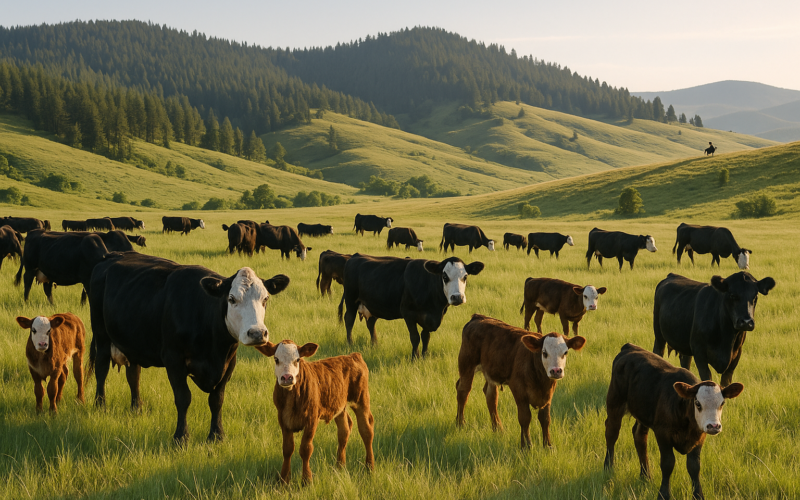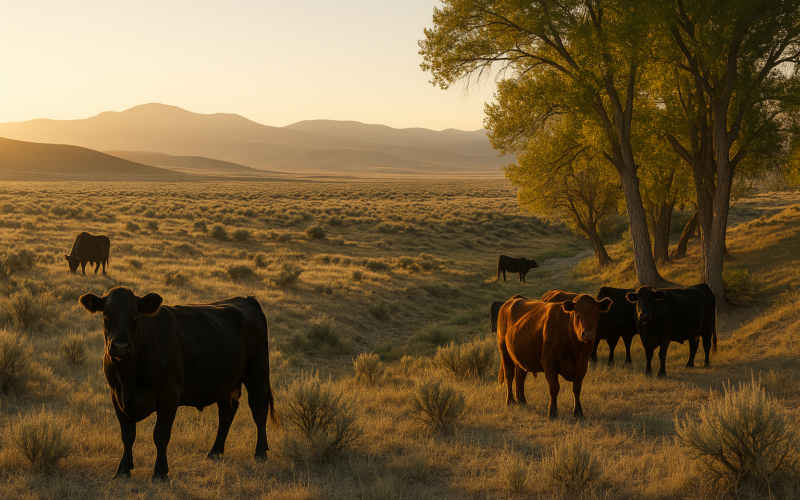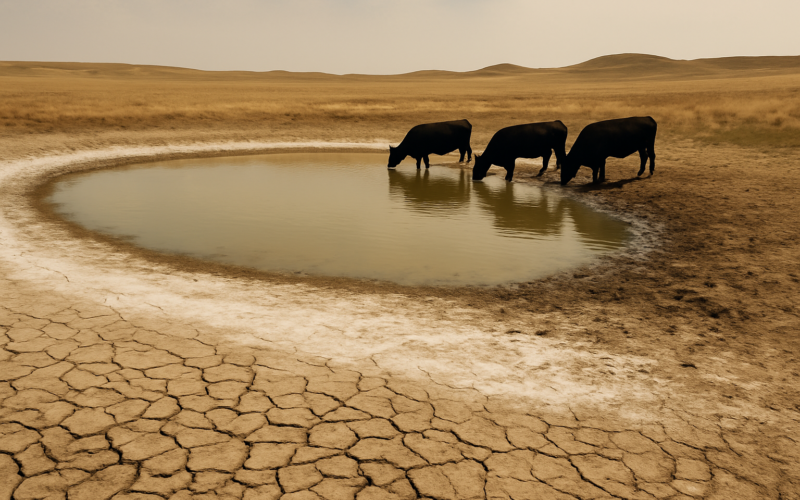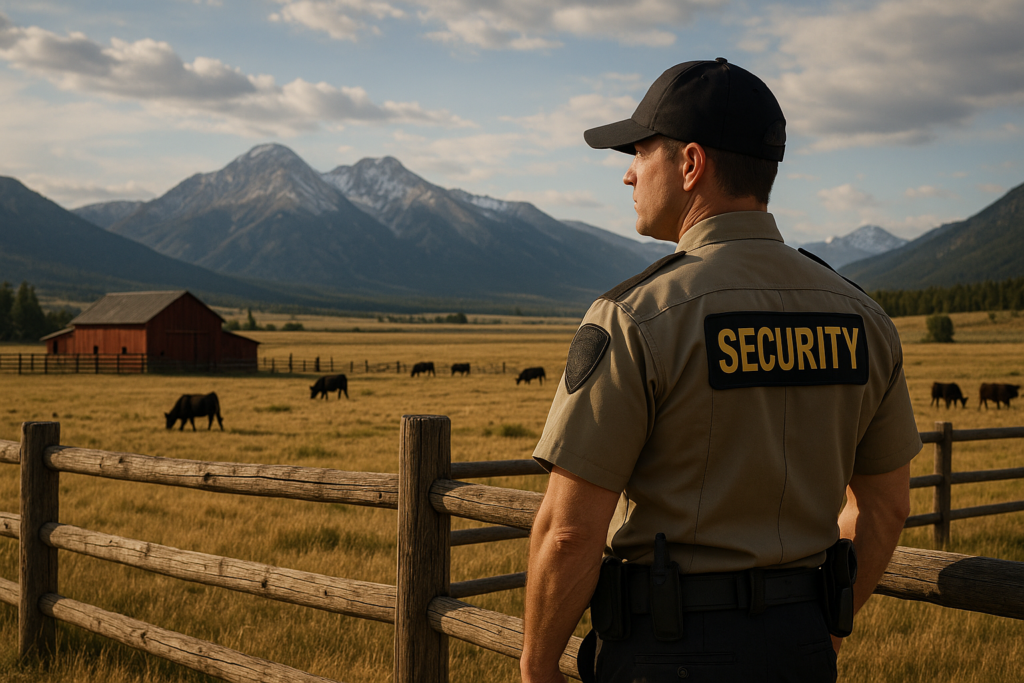
The nomination of the new Homeland Security head has taken an unexpected turn with the revelation of their ranching background. That unique blend of experience brings a fresh perspective to a pivotal role in national security. As the nominee steps into the national spotlight, their ranching roots could influence strategies and operations within the Department of Homeland Security (DHS).
Key Takeaways
- A Homeland Security nominee is drawing interest because of an extensive ranching background.
- That experience may bring a grounded perspective to DHS decision-making on rural and agricultural concerns.
- Topics where ranching experience could matter include border security, land management, and agricultural safety.
- Disaster preparedness and infrastructure security are also areas where practical operations experience may shape priorities.
- Confirmation hearings will be a key moment to learn how the nominee plans to integrate this background into DHS strategy.
What’s Happening
The nomination of a new candidate for the Department of Homeland Security has caught the attention of many due to their extensive background in ranching. This nominee, whose experience extends beyond traditional political roles, is expected to bring a grounded and practical approach to homeland security.
The DHS, responsible for protecting the United States from a range of threats, might benefit from the nominee’s firsthand understanding of rural and agricultural issues.
Why It Matters
The nominee’s ranching background is significant for several reasons. First, it introduces a perspective rooted in rural America—an area often at the forefront of discussions on border security, land management, and agricultural safety. This experience could lead to more effective policy-making that directly addresses the vulnerabilities and needs of rural communities.
Second, practical knowledge of ranch operations may contribute to more nuanced approaches to issues such as immigration, infrastructure security, and disaster preparedness. In other words, a day-to-day operations mindset could shape how priorities are framed and how risks are assessed for communities that don’t always fit an urban template.
The Bigger Picture
Ranching and farming have long been integral to American life, contributing not only to the economy but also to the cultural and societal fabric of the nation. Historically, the intersection of agriculture and policy has influenced legislation and decisions at the highest levels of government.
The nominee’s background is a reminder of the essential role these industries play and highlights the potential for agrarian perspectives to shape national security strategies. This appointment could also signal a shift toward more inclusive and diverse representation in government roles, reflecting the diverse backgrounds of the American populace.
What to Watch For
As the nominee undergoes the confirmation process, it will be crucial to observe how their ranching background is received by both the Senate and the public. Key points of interest will include their proposed policies and how they intend to integrate agricultural knowledge into the broader strategies of the DHS.
Additionally, any statements or plans regarding rural security measures, border control, and emergency response will provide insight into how this unique background may influence their leadership. The confirmation hearings will be a critical platform for the nominee to outline their vision and reassure stakeholders of their capability to handle the challenges of the role.
For more information, the original report is available at Tri-State Livestock News.
Related Reading
- How border security debates affect rural communities
- Ranching, agriculture, and public policy: where they intersect
- Disaster preparedness in rural areas: infrastructure and response challenges
- Agricultural safety and biosecurity: what it means for the U.S.
- Land management issues that shape life in the West
- Confirmation hearings explained: what to watch and why it matters
Frequently Asked Questions
- Who is the new Homeland Security nominee with a ranching background?
- The nominee is a candidate for the Department of Homeland Security known for extensive experience in ranching.
- Why is this nominee’s ranching experience getting attention?
- Because it’s an uncommon professional background for a top national security role and could bring a practical, rural-informed viewpoint to DHS priorities.
- How might a ranching background influence DHS policy decisions?
- A ranching background can offer firsthand insight into rural issues, which may inform approaches to border security, land management, agricultural safety, and disaster preparedness.
- What rural or agricultural issues could intersect with homeland security?
- The article highlights border security, land management, and agricultural safety, along with broader concerns such as infrastructure security and emergency response.
- What DHS priorities could be shaped by practical operations experience?
- The piece points to disaster preparedness and infrastructure security as areas where practical, on-the-ground operational experience may shape priorities.
- What challenges could the nominee face during confirmation?
- The nominee may need to show how ranching experience translates to managing national security responsibilities and to outline policies that address DHS’s wide range of threats.
- What should the public watch for during the confirmation hearings?
- Watch for how the nominee explains their vision for DHS, how they plan to integrate agricultural knowledge into broader strategy, and what they say about rural security measures, border control, and emergency response.
- Where can I find the original report referenced in this article?
- The source cited is Tri-State Livestock News.
Source: Tri-State Livestock News