Unlocking the Full Potential of Your Spotting Scope
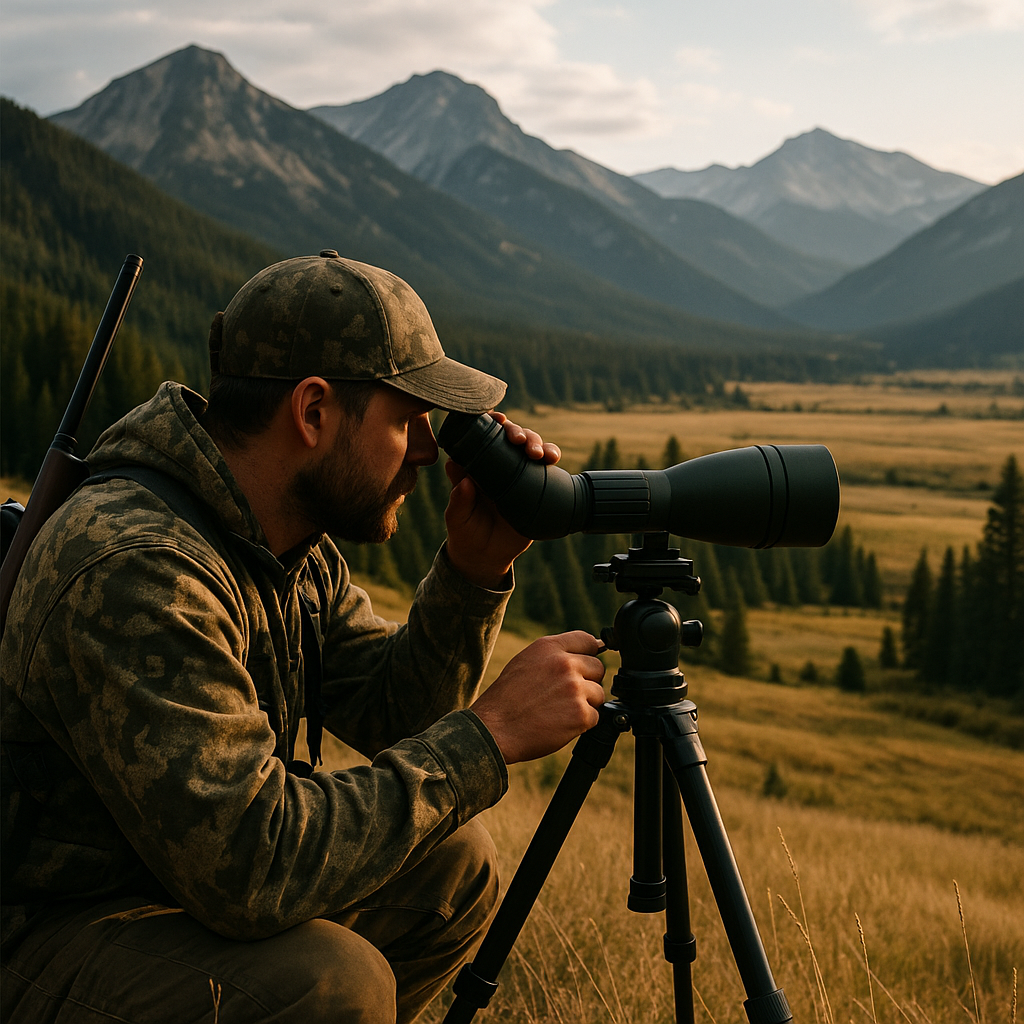
For many Montana hunters, a spotting scope is more than just another piece of gear—it’s a crucial tool that can transform how you scout and hunt big game. While often associated with glassing distant ridgelines or scanning open fields, the capabilities of a spotting scope reach far beyond simple observation.
Quick takeaways
- Use your spotting scope to locate bedded animals and assess herd behavior before planning your approach.
- Advanced spotting scope techniques can help identify trophy characteristics at long range.
- Combining glassing with topographic knowledge improves your odds of a successful stalk in Montana’s varied terrain.
- Spotting scopes are invaluable during early season to locate bachelor groups and late season to identify group movement patterns.
- Proper care and setup ensure clear images and reduce eye strain during extended scanning sessions.
Why Every Montana Hunter Should Get Comfortable With Their Spotting Scope
Montana’s vast landscapes—from the rolling plains to the rugged Rockies—offer unique challenges for hunters trying to spot and stalk big game. Spotting scopes provide high magnification with clarity, allowing you to gather valuable information from a distance without alerting animals. Reports indicate that effective use of long-range optics can significantly increase hunting success, especially for species like mule deer, elk, and antelope.
Using a spotting scope effectively means more than just zooming in. It involves a systematic approach to scanning landscapes, identifying signs of wildlife presence, and making educated decisions about when and where to move.
Techniques to Improve Your Glassing Skills
- Systematic Scanning: Divide your viewing area into sections to ensure no part of the terrain goes unchecked.
- Look for Movement and Shine: Early morning and late afternoon light can catch antlers or eyeshine, making animals easier to spot.
- Assess Behavior: Determine if groups are relaxed or alert; this can guide your stalking strategy.
- Identify Trophy Characteristics: At longer ranges, study antler size and body condition to decide if a particular animal fits your hunt goals.
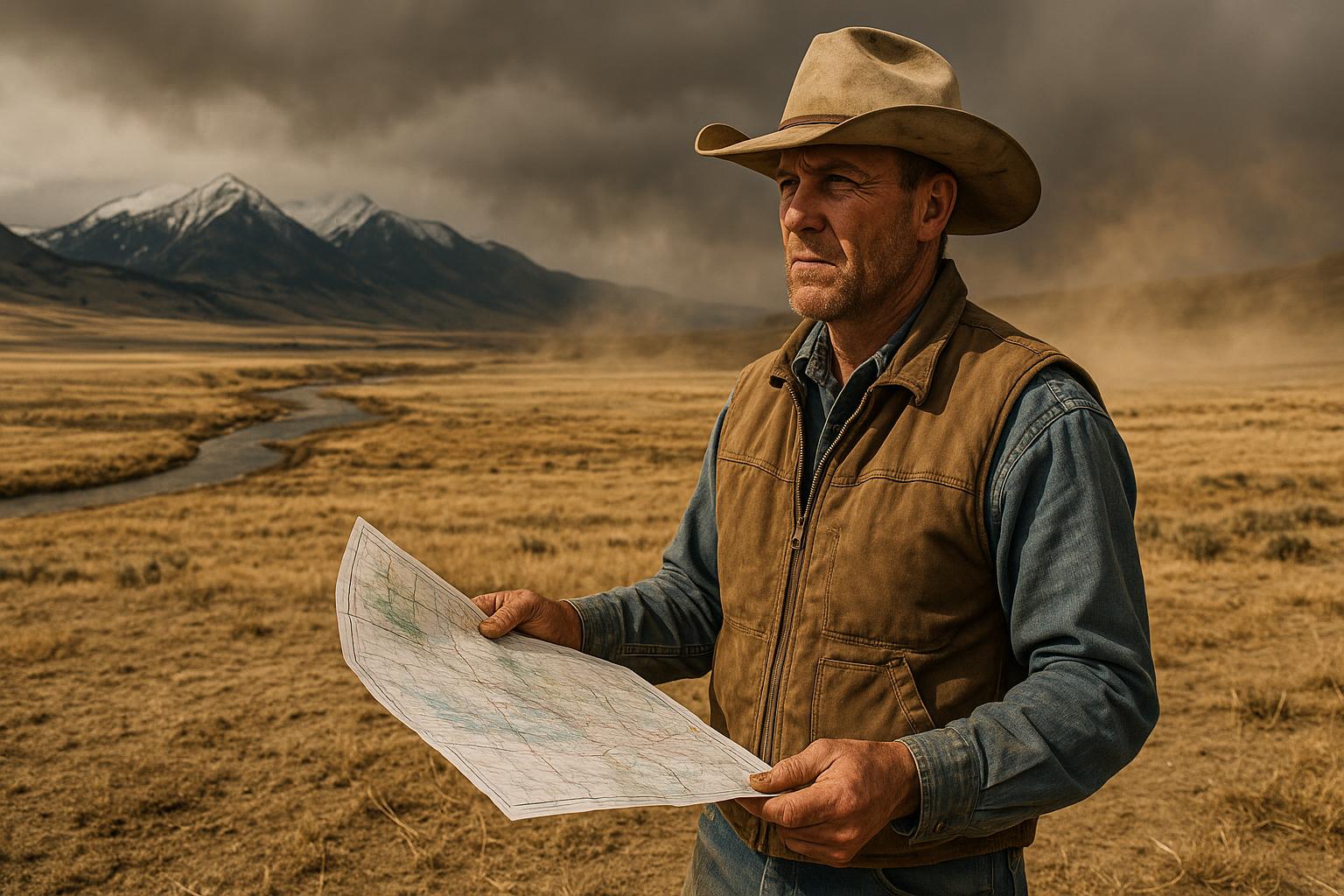
- Use Topography: Combine observations with maps or GPS to anticipate animal travel routes and bedding areas.
- Record Details: Take notes or photos through your scope to review later and plan your next move.
Maintaining and Setting Up Your Spotting Scope for Montana Conditions
Montana’s weather can be unpredictable, ranging from dry heat in the plains to sudden storms in the mountains. Proper care of your spotting scope can maximize its longevity and performance.
- Use a sturdy tripod to minimize shaking and fatigue during extended glassing sessions.
- Keep lenses clean and free of dust by using a soft brush and lens cloth—avoid wiping harsh debris that can scratch glass.
- Protect your scope with a weather-resistant cover when not in use.
- Consider a scope with adjustable magnification to quickly adapt to different viewing distances.
What this means for Montana
Given Montana’s vast hunting areas and diverse game species, mastering your spotting scope can be a game-changer. Whether you’re glassing mule deer on the plains, elk in the high country, or pronghorn among sagebrush, your ability to gather detailed information from afar improves your chances of ethical and successful hunts.
With hunting pressure increasing in some popular areas, the ability to locate less pressured groups or animals bedded in hidden pockets is invaluable. Furthermore, understanding herd dynamics and movement patterns through glassing helps Montana hunters avoid wasted energy and maximize time in the field.
Final thoughts
Investing time in learning and refining spotting scope techniques aligns well with Montana’s hunting ethos of patience, preparation, and respect for the land and wildlife. The more you practice, the more intuitive glassing becomes, turning your spotting scope into a trusted partner on every outing.
Remember, while technology aids your hunt, ethical decision-making and adherence to regulations remain paramount.
Inspiration: The MeatEater