World Cup Skiing Incident Raises Safety Questions
Recently, international headlines focused on a serious crash during the FIS Alpine Ski World Cup in Crans-Montana, Switzerland. Reports indicate that decorated skier Lindsey Vonn was airlifted to a hospital after colliding with course safety nets during a downhill event. While details about her condition remain limited, the incident has sparked renewed concern about athlete safety in high-speed mountain sports.
Quick Takeaways
- High-profile ski accidents highlight the risks of mountain recreation.
- Proper course safety and emergency response protocols are critical.
- Montana’s ski hills and mountain athletes can learn from international incidents.
- Preparation and respect for mountain conditions are essential for all outdoor sports.
The Incident: What Happened in Crans-Montana?
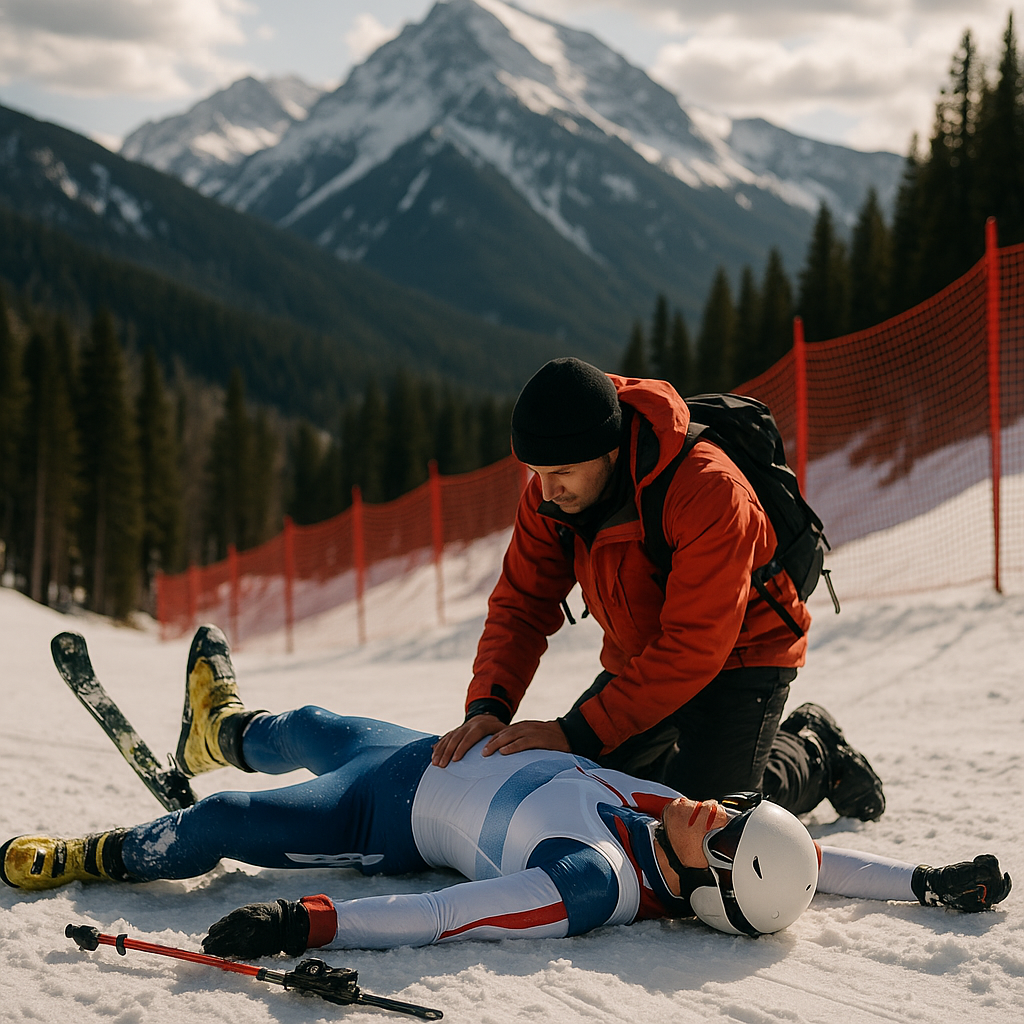
During the recent FIS Alpine Ski World Cup event in Crans-Montana, Lindsey Vonn reportedly lost control and crashed into the safety nets lining the downhill course. Onlookers say the impact was severe enough to require immediate medical attention. Ski patrol and event medics responded swiftly, and Vonn was airlifted to a nearby hospital for further evaluation.
This is not the first time a high-profile athlete has suffered a crash on the demanding World Cup circuit. The combination of speed, variable snow conditions, and challenging terrain often pushes even the world’s best to their limits. While the full details of Vonn’s injuries and recovery timeline are not yet public, the incident underscores the ongoing risks faced by skiers and snowboarders worldwide.
Ski Safety: Not Just for the Pros
While professional racers like Vonn ski at much higher speeds than most Montanans, the principles of safety apply to everyone on the mountain. Here are several takeaways for local skiers, snowboarders, and outdoor enthusiasts:
- Stay Within Your Limits: Know your skill level and match your speed and route selection accordingly.
- Understand the Terrain: Montana mountains can change rapidly with weather shifts. Check avalanche forecasts and trail reports before heading out.
- Use Proper Equipment: Helmets, well-maintained bindings, and appropriate layers can make a significant difference in the event of a fall.
- Respect Course Markings: Whether at a local ski hill or in the backcountry, boundaries and closed trails are there for your protection.
- Be Prepared for Emergencies: Carry a first aid kit, know how to contact ski patrol, and never go alone in remote areas.
Emergency Response: Montana Ski Hills’ Protocols
Montana’s ski resorts and outdoor recreation areas have established protocols for responding to accidents on the slopes. Most staffed hills have trained ski patrol teams equipped to handle injuries ranging from minor sprains to life-threatening trauma. Remote backcountry areas, however, can be a different story. Self-reliance, communication tools (like satellite beacons), and group travel become especially important where professional help may be hours away.
Montanans know that even a short trip into the mountains can quickly turn challenging. Recent incidents like the World Cup crash serve as important reminders for both recreational users and event organizers to review safety plans and emergency gear before each outing.
Learning from International Events
What happens on the slopes of Switzerland may seem a world away, but Montana’s snow sports community is closely tied to international developments. Ski instructors, patrollers, and event organizers often look to World Cup races for the latest safety innovations—everything from netting systems to new helmet technologies.
Here are some safety advances being discussed globally and locally:
- Improved course netting and padding in high-traffic areas
- On-mountain medical response training for all staff
- Enhanced skier education about speed and control
- Upgraded communication systems for faster emergency alerts
What This Means for Montana
With popular ski destinations like Big Sky, Whitefish, and Bridger Bowl, Montana sees thousands of locals and visitors carving turns each winter. While most days on the hill end with little more than tired legs, incidents like the recent World Cup crash are reminders: safety is everyone’s responsibility.
Montana’s unique mix of resort, backcountry, and community-run ski hills means a one-size-fits-all approach doesn’t work. However, the core message is universal: preparation and awareness save lives. Local skiers, snowboarders, and mountain athletes should take time to review their own habits, check gear, and keep emergency contacts handy before heading out.
Whether you’re racing gates or gliding through powder, the lessons from international events can help keep Montana’s winter sports traditions safe and strong for years to come.
Resources for Staying Safe on Montana’s Mountains
- Gallatin National Forest Avalanche Center
- Whitefish Mountain Resort Safety Info
- Custer Gallatin National Forest Winter Recreation
- Big Sky Resort Mountain Safety
Stay safe, stay prepared, and keep enjoying Montana’s world-class mountains.
Inspiration: “montana” – Google News (link)