Unpredictable Ice Thickness Creates Challenges for Montana Anglers
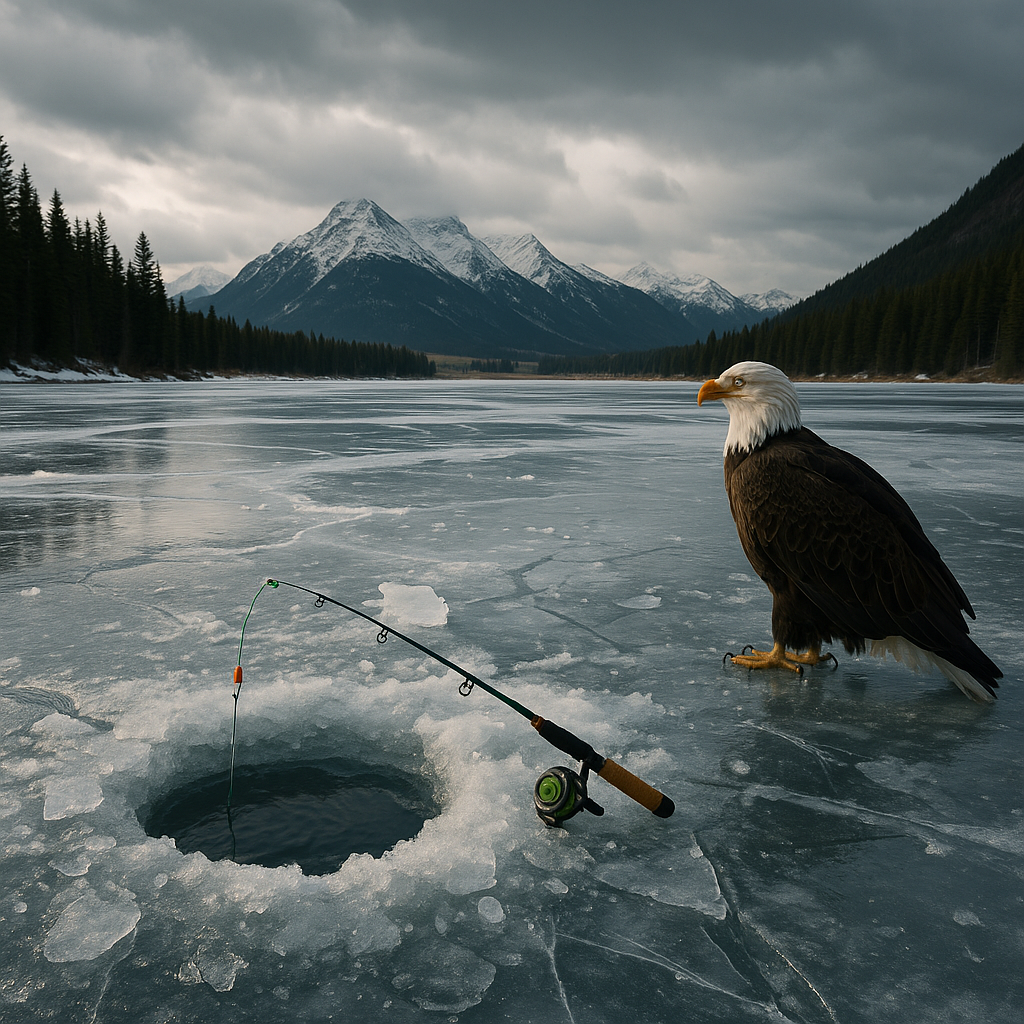
Winter in Montana traditionally brings opportunities for ice fishing and other cold-weather outdoor pursuits. However, recent reports indicate that much of the state’s lakes and rivers are experiencing thin or unstable ice cover this season. This development raises concerns about safety and access for anglers and outdoor enthusiasts who rely on solid ice to enjoy winter sports.
Quick Takeaways
- Ice thickness remains inconsistent across many Montana water bodies.
- Warmer-than-average temperatures and fluctuating weather contribute to unstable ice.
- Safety precautions are vital for anyone venturing onto ice this winter.
- Fishing opportunities may be limited or delayed due to ice conditions.
Current Ice Conditions Across Montana
Across the state, ice formation has been slower and less reliable than in previous winters. Some lakes have only partial ice coverage, while others show signs of thin, fragile ice that poses risks to those attempting to fish or recreate on frozen surfaces. Reports from local anglers and outdoor guides suggest that the ice thickness in many popular fishing spots has not yet reached safe levels.
Several factors contribute to this year’s unusual ice conditions. Fluctuating daytime temperatures, occasional warm spells, and inconsistent snow cover all reduce the stability and growth of ice layers. These weather patterns make it difficult to predict when and where ice will be safe for recreational use.
Safety First: Guidelines for Montana Outdoorsmen
Given the uncertain ice conditions, safety must be the top priority for anyone planning to venture onto frozen waters. Here are some important guidelines to follow:
- Check Local Reports: Always consult the latest ice condition updates from local authorities, outdoor groups, or experienced anglers before heading out.
- Test Ice Thickness: Use an ice auger or spud bar to test thickness at regular intervals. A minimum of 4 inches of clear, solid ice is generally recommended for safe walking or ice fishing.
- Stay Informed on Weather: Monitor weather forecasts carefully, as warming trends can quickly weaken ice.
- Never Go Alone: Always fish or travel on ice with a partner and carry safety equipment such as ice picks, flotation devices, and a rope.
- Be Prepared to Turn Back: If ice appears cracked, slushy, or unstable, do not risk venturing further.
What This Means for Montana
Montana’s outdoor community deeply values winter fishing and ice-related activities, both culturally and economically. The current ice instability may delay fishing seasons or reduce access to traditional ice fishing spots, impacting local outfitters, guides, and anglers alike.
Additionally, the unpredictable ice conditions may encourage more caution and awareness around ice safety, potentially reducing accidents if the public remains vigilant. Outdoor enthusiasts will need to adapt their plans, possibly focusing on open-water fishing or other winter pursuits until ice conditions improve.
Monitoring ongoing weather trends and ice reports will be crucial in navigating the remainder of the winter season safely and responsibly.
Looking Ahead
The remainder of winter will determine if Montana waters develop more reliable ice cover. Colder, consistent temperatures are needed to build thicker, safer ice layers. Anglers and recreationists should remain flexible and prepared to adjust plans based on evolving conditions.
Staying connected with local conservation agencies, fishing clubs, and outdoor media sources will provide the best information to enjoy Montana’s winter landscape while prioritizing safety.
Inspiration: Montana Outdoor