Glacier National Park Poised for Big Visitor Surge in 2026
Recent reports indicate that Glacier National Park may become a focal point for tourism and outdoor recreation in 2026. For Montana residents, hunters, anglers, and those connected to the land, this potential uptick has both opportunities and challenges. Let’s explore what’s driving this trend, and what it could mean for the state’s wild places and communities.
Quick Takeaways
- Forecasts suggest Glacier National Park could become even busier in 2026.
- Increased visitation may impact wildlife, local economies, and recreation access.
- Montanans may see changes in park management, regulations, and infrastructure.
- Opportunities arise for businesses, but conservation and access concerns remain.
Why the Surge? Trends Point to a Busy 2026
Glacier National Park has long been a crown jewel of Montana’s outdoors, drawing more than three million visitors in peak years. But recent news and travel projections suggest 2026 could set new records for park attendance. Driving factors include:
- Domestic travel boom: Americans continue to seek outdoor destinations, with national parks topping many bucket lists.
- Centennial and anniversary events: While Glacier’s own centennial was in 2010, major anniversaries for the National Park Service, or other regional parks, tend to boost interest in the entire system.
- Improved accessibility: Expanded infrastructure and digital reservation systems are making it easier for more people to visit.
While the specifics for 2026 remain fluid, travel industry watchers and local officials are already preparing for a potential spike in park usage.
Potential Impacts for Wildlife and Habitat
For Montana’s hunters, anglers, and those who steward the land, the prospect of even more visitors brings a mixed bag. Increased human activity can affect:
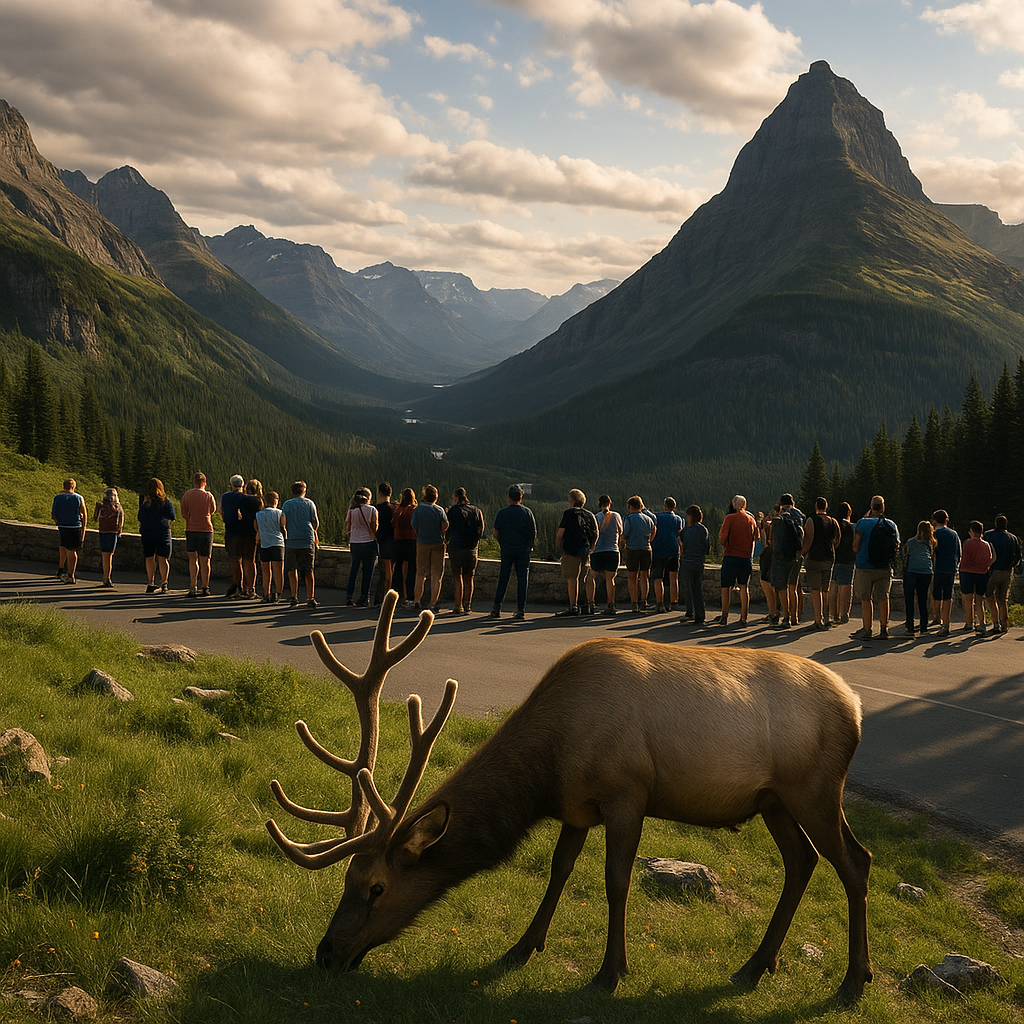
- Wildlife behavior: More hikers and vehicles can push wildlife away from traditional corridors, impacting everything from elk to grizzlies.
- Fisheries: Increased fishing pressure in park streams and lakes, or in nearby public waters, can stress native fish populations.
- Habitat integrity: Popular trails and backcountry sites may see more wear, raising the risk of erosion and invasive species spread.
Montana Fish, Wildlife & Parks and the National Park Service have long worked to balance access with protection, but a surge in visitors could prompt new rules or restrictions, particularly during sensitive seasons.
Economic Opportunities and Local Challenges
Glacier’s draw means steady business for nearby communities like West Glacier, Columbia Falls, and Browning. A jump in visitation could bring:
- More revenue for outfitters, lodges, and local retailers
- Seasonal job growth in hospitality, guiding, and park services
- Increased demand on housing, infrastructure, and emergency services
While local businesses may welcome the economic boost, some residents voice concerns about crowded roads, higher costs of living, and strain on resources.
Possible Changes in Park Management and Access
In preparation for surges like this, Glacier has already implemented vehicle reservation systems and limited access to popular areas such as the Going-to-the-Sun Road. If trends hold, visitors in 2026 could see:
- Expanded reservation requirements for entry and parking
- Stricter regulations on group sizes and backcountry permits
- Enhanced law enforcement and resource monitoring
- Greater outreach to educate visitors about wildlife safety and Leave No Trace ethics
Communication will be key, as will collaboration with tribal nations and local landowners whose lands border the park.
What This Means for Montana
For those who live, work, and play in Montana, the possibility of Glacier National Park becoming even more of a tourism hot spot will ripple far beyond park boundaries.
- Hunters and anglers may find more competition for access in adjacent public lands and waters.
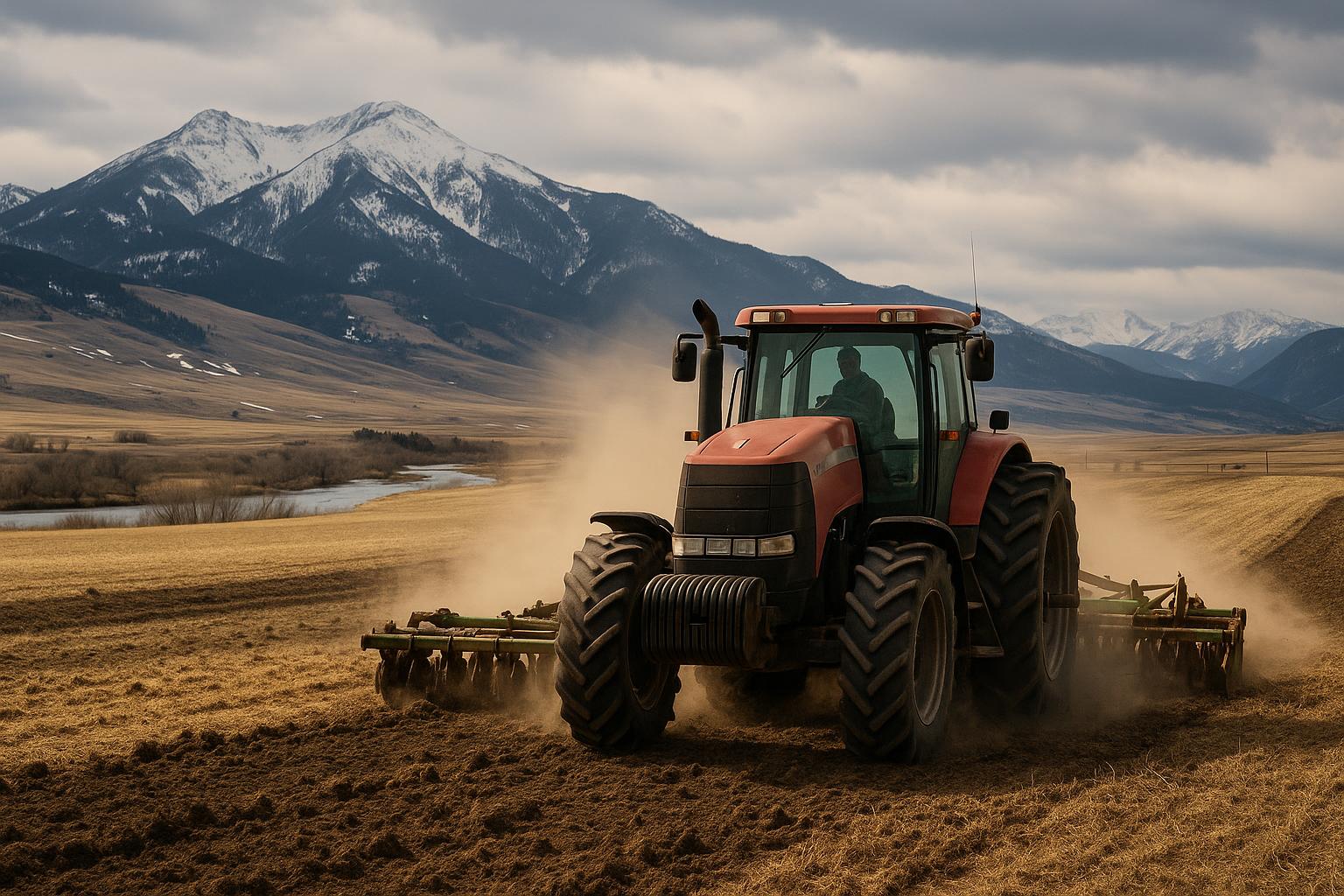
- Farmers and ranchers near the park could see changes in land use, road traffic, and wildlife patterns.
- Conservationists will likely push for new protections, habitat restoration, and careful monitoring of wildlife impacts.
- Community leaders may need to balance visitor dollars with the long-term health of their towns and landscapes.
Ultimately, how Montana adapts to a potential Glacier boom will depend on proactive planning, open dialogue, and a commitment to keeping wild places wild for future generations.
Looking Ahead
With 2026 on the horizon, the eyes of the outdoor world may soon turn toward Glacier National Park once again. Whether you’re a local business owner, a hunter, a fishing guide, or simply someone who treasures Montana’s open spaces, now is the time to get involved in discussions about the future of the park and its role in Montana’s outdoor heritage.
Stay informed, respect the land, and let your voice be heard in shaping what comes next.
Inspiration: “glacier national park” – Google News (link).